Dental implant procedures require exceptional accuracy, consistency, and infection control. Every stage of treatment, from osteotomy preparation to final implant insertion, depends on proper instrumentation. A high-quality implant surgical kit is therefore not simply a collection of tools—it is the foundation of predictable implant treatment.
While much attention is often given to implant design and surface technology, experienced clinicians understand that successful outcomes also rely on precise dental implant instrumentation. The right implant surgical kit supports efficient workflows, improves osseointegration precision, and helps maintain the standards required for sterile implant surgery.
Bone preparation is one of the most critical stages of implant placement. The osteotomy must match the dimensions of the planned implant while preserving surrounding bone vitality.
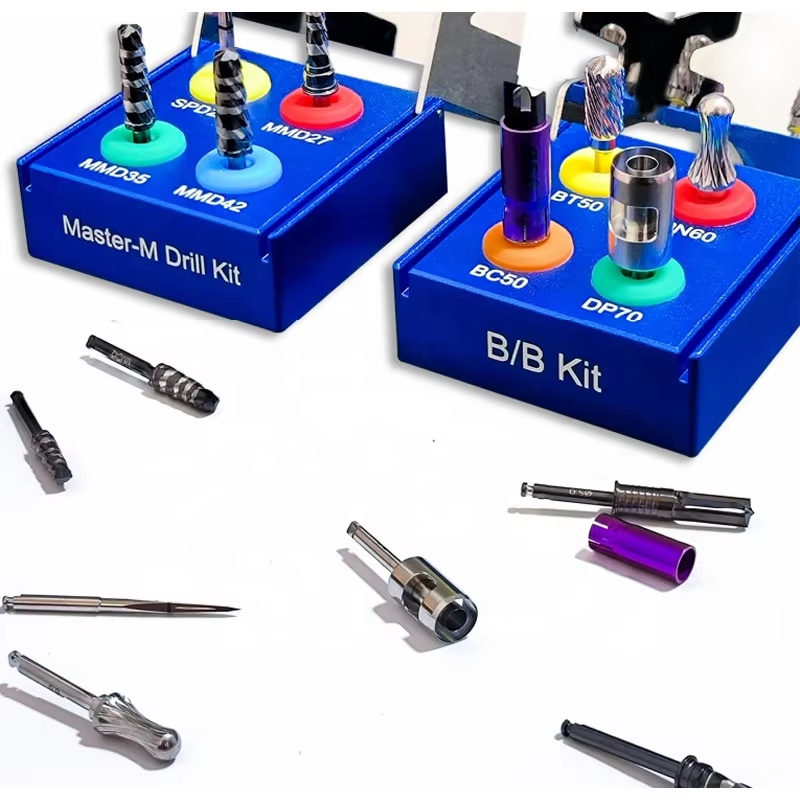
An implant surgical kit provides a structured implant drill sequence designed specifically for implant dentistry. Each drill is engineered to enlarge the osteotomy progressively while minimizing trauma and heat generation. Unlike general surgical instruments, these drills are designed to support osseointegration precision by creating a site that closely matches implant dimensions.
The implant drill sequence typically follows a logical progression from pilot drilling to final osteotomy preparation. Skipping steps or using inappropriate drills may compromise primary stability and negatively affect healing.
Because every instrument within the implant surgical kit is designed to work together, clinicians can perform osteotomy preparation with greater confidence and consistency.
A major advantage of a dedicated implant surgical kit is improved control over drilling depth and angulation.
Many systems include:
These features help clinicians avoid critical anatomical structures while maintaining osseointegration precision. When instruments are developed as a coordinated system, the implant drill sequence remains accurate from the initial pilot drill to final implant placement.
This level of control is difficult to achieve with unrelated instruments sourced from multiple manufacturers.
Implant surgery requires concentration and efficiency. Searching for instruments during a procedure increases surgical time and introduces opportunities for mistakes.
A properly organized implant surgical kit keeps all dental implant instrumentation arranged in a logical sequence. Team members can anticipate the next instrument needed, allowing the procedure to progress smoothly.
Benefits include:
Because the implant drill sequence is clearly organized, clinicians can focus on surgical execution rather than instrument management.
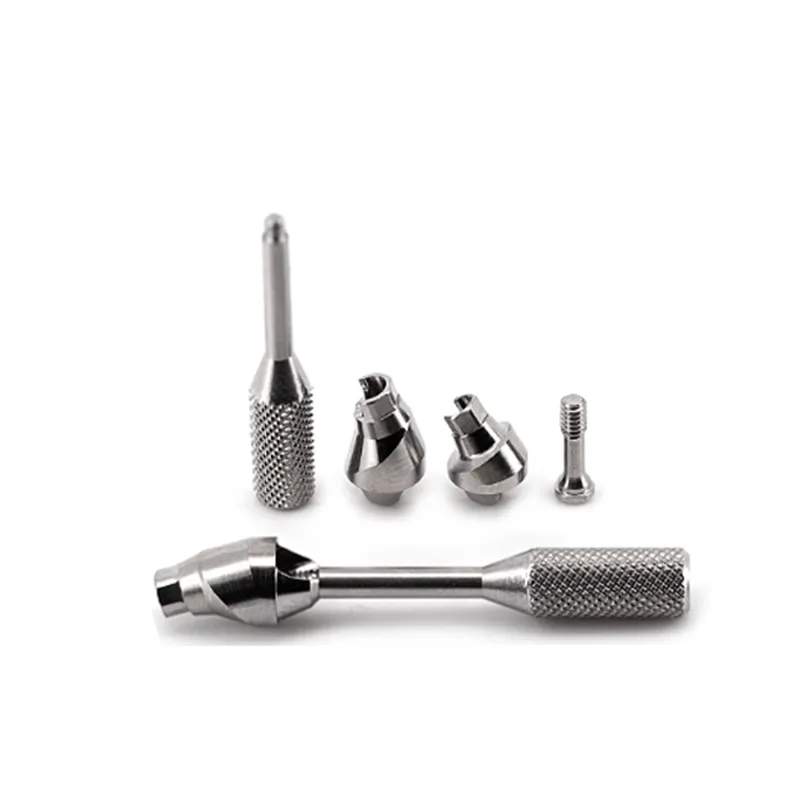
Each component in an implant surgical kit is designed to work with specific implant connections and restorative interfaces.
Using incompatible drivers or improvised instruments may result in:
Purpose-built dental implant instrumentation ensures that implants, drivers, and restorative components function together as intended.
Sterile implant surgery is essential for long-term implant success.
An implant surgical kit is typically housed within a sterilizable cassette that allows all instruments to be processed together. This simplifies infection control and reduces the possibility of contamination.
Advantages of a dedicated implant surgical kit include:
Because sterile implant surgery depends on maintaining a controlled environment, a complete and properly maintained kit plays a vital role in patient safety.
Dental implant instrumentation undergoes repeated sterilization cycles throughout its service life.
High-quality implant surgical kit components are manufactured from surgical-grade stainless steel capable of resisting corrosion and maintaining performance after repeated autoclaving.
A well-designed system helps practices maintain consistent sterile implant surgery protocols while reducing the likelihood of instrument failure.
Successful implant treatment depends heavily on osseointegration precision.
When clinicians lack a dedicated implant surgical kit, they may be forced to improvise with instruments that do not precisely match implant specifications. Small discrepancies in diameter, taper, or drilling depth can affect implant stability.
An inaccurate implant drill sequence may produce:
Because osseointegration precision begins during osteotomy preparation, the quality of dental implant instrumentation directly influences long-term outcomes.
General-purpose instruments are not optimized for implant site preparation.
Compared with a dedicated implant surgical kit, inappropriate instruments may generate greater heat and require additional force during drilling. Excessive thermal trauma can damage bone and negatively affect healing.
A proper implant drill sequence combined with precision-engineered dental implant instrumentation helps minimize trauma while supporting favorable biological responses.
Not all implant surgical kit systems are manufactured to the same standards.
A quality implant surgical kit should include surgical-grade stainless steel components that maintain dimensional accuracy through repeated use and sterilization.
When evaluating dental implant instrumentation, clinicians should consider:
Reliable instruments contribute directly to osseointegration precision and procedural consistency.
Compatibility is another critical consideration.
The implant drill sequence must correspond exactly to the implant system being used. Drill diameters, driver interfaces, and surgical protocols should match manufacturer specifications.
Before purchasing an implant surgical kit, clinicians should verify:
Proper compatibility ensures that dental implant instrumentation performs as intended throughout treatment.
Some practices hesitate to invest in a comprehensive implant surgical kit because of the initial expense.
However, a complete system often reduces long-term costs by minimizing complications, preventing instrument mismatches, and improving procedural efficiency.
A durable implant surgical kit may support hundreds of procedures when properly maintained. This makes the investment highly cost-effective over time.
Consistency is one of the most important goals in implant dentistry.
Using the same implant surgical kit across multiple procedures allows clinicians and staff to develop familiarity with the instruments and workflow. Repetition improves efficiency and supports more predictable results.
Standardized dental implant instrumentation also simplifies training and helps maintain quality control within the practice.
Most importantly, a reliable implant drill sequence contributes to consistent osseointegration precision and supports successful sterile implant surgery across a wide range of clinical situations.
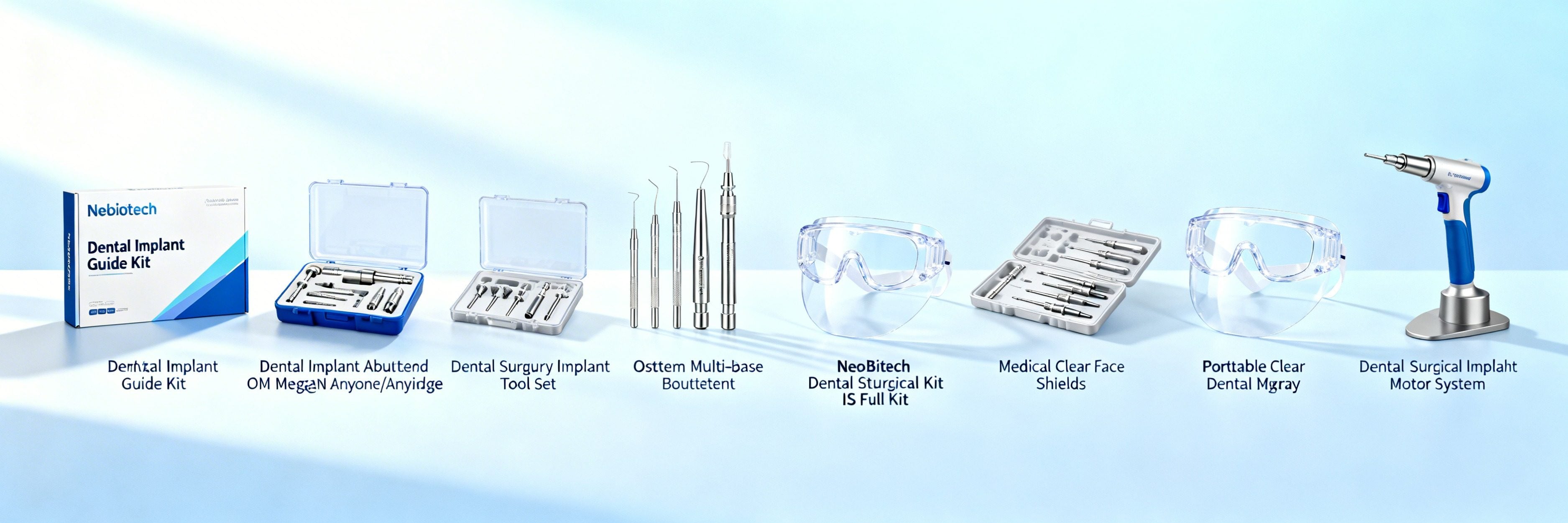
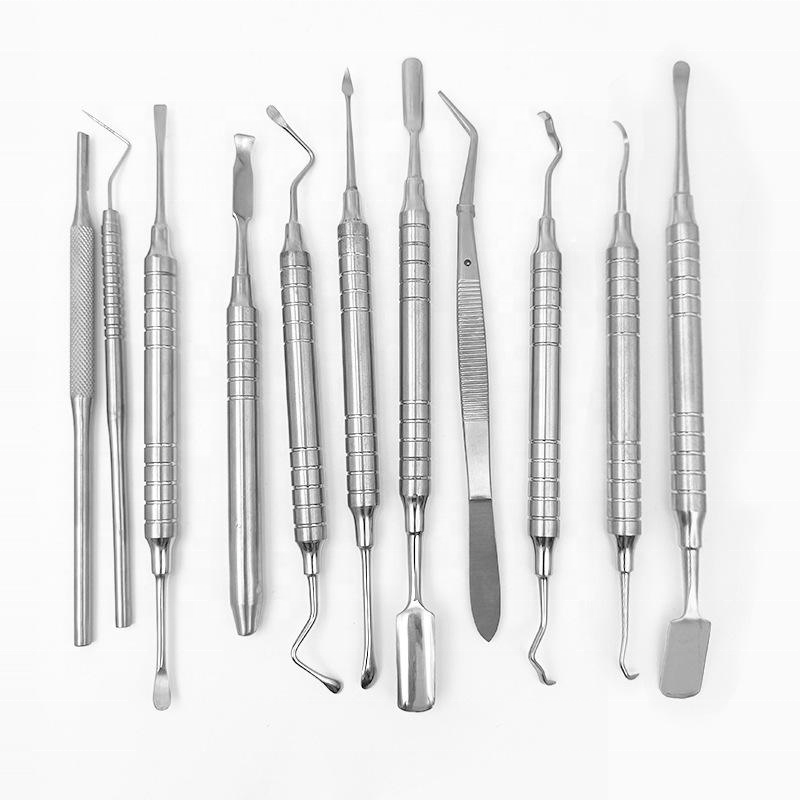
A standard implant surgical kit often contains drills, depth gauges, paralleling pins, implant drivers, ratchets, tissue punches, and other dental implant instrumentation required for osteotomy preparation and implant placement. The exact contents vary depending on the implant system.
The implant drill sequence gradually enlarges the osteotomy while preserving bone integrity. Following the correct sequence improves osseointegration precision, supports primary stability, and reduces the risk of surgical complications.
Sterile implant surgery minimizes bacterial contamination during implant placement. Proper sterilization of the implant surgical kit and all dental implant instrumentation helps reduce infection risk and supports long-term implant success.
No. General surgical instruments are not designed for implant osteotomy preparation or implant-specific protocols. A dedicated implant surgical kit provides the implant drill sequence, precision, and compatibility necessary to achieve predictable osseointegration precision and maintain standards for sterile implant surgery.

 EN
EN