Selecting the right implant surgical kit is one of the most important decisions in dental clinic procurement. The quality of your surgical instruments directly affects treatment accuracy, patient safety, workflow efficiency, and long-term clinical outcomes. A poorly selected implant surgical kit can create compatibility issues, reduce procedural precision, and increase maintenance costs.
Because today's market offers a wide range of options, clinics must evaluate more than just price. Factors such as instrument quality, implant kit compatibility, sterilization performance, and supplier reliability should all be considered before making a purchase. A well-chosen implant surgical kit becomes a long-term investment that supports consistent implant success and practice growth.
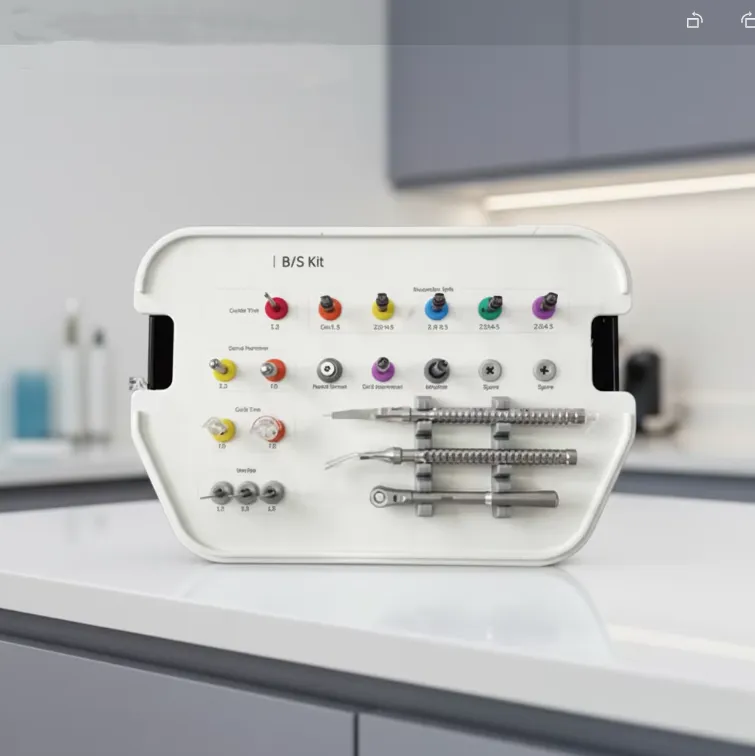
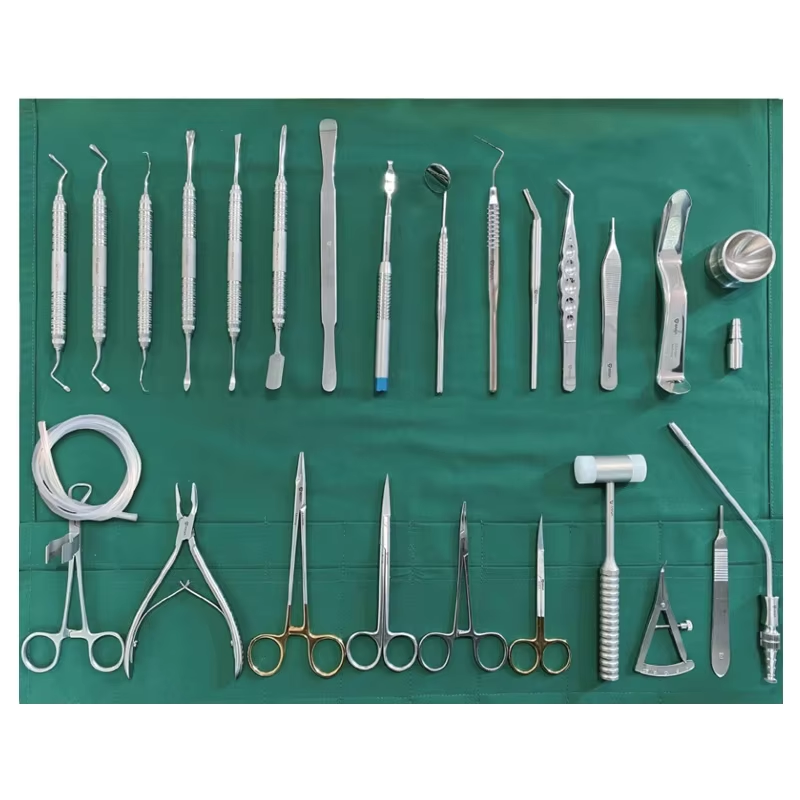
A professional implant surgical kit should contain all essential dental implant instruments required for routine implant placement procedures.
Common components include:
Each of these dental implant instruments serves a specific purpose within the surgical workflow. Missing components can interrupt procedures and force clinicians to use alternative tools that may not provide the same level of precision.
When evaluating an implant surgical kit, clinics should compare the included dental implant instruments with the procedures they perform most frequently. Practices handling advanced cases such as immediate loading or bone grafting often require a more comprehensive instrument selection.
The arrangement of dental implant instruments also affects clinical efficiency.
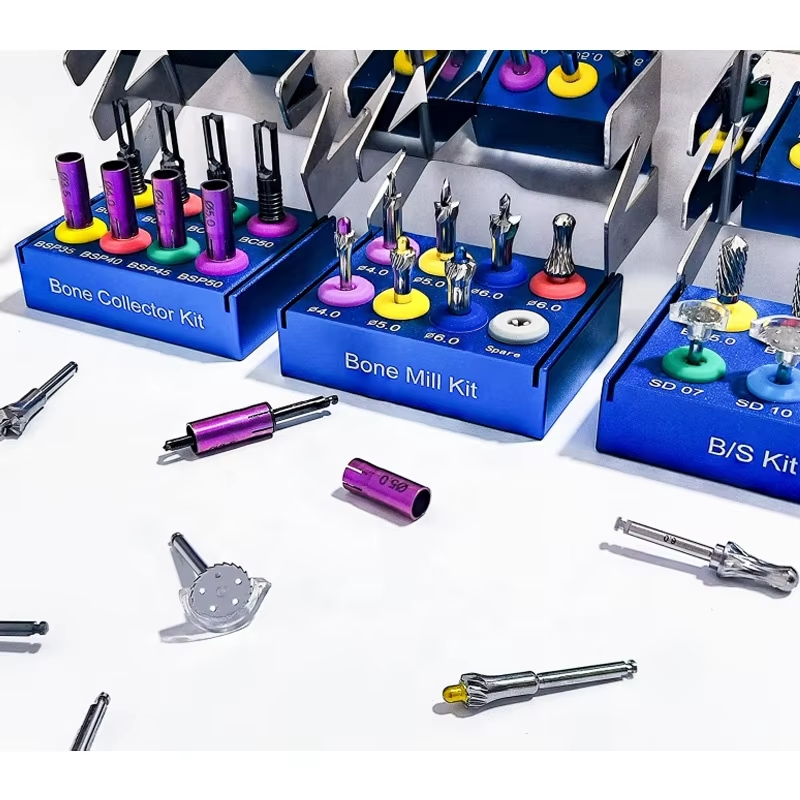
Many modern implant surgical kit systems include organized cassettes with labeled or color-coded positions for each instrument. This improves instrument identification and reduces the risk of selection errors during surgery.
An organized implant surgical kit can shorten procedure times, improve team coordination, and support smoother workflows throughout the treatment process.
Material quality has a direct impact on durability, precision, and sterilization performance.
Most professional implant surgical kit systems use stainless steel surgical instruments because they provide excellent corrosion resistance, strength, and dimensional stability. High-quality stainless steel surgical instruments maintain their cutting performance and structural integrity even after repeated sterilization cycles.
Benefits of stainless steel surgical instruments include:
Because implant procedures depend on precision, stainless steel surgical instruments remain the preferred choice for most clinics.
Not all stainless steel surgical instruments are manufactured to the same standard.
Clinics should evaluate:
A quality implant surgical kit should feature smooth surfaces, accurate tolerances, and durable construction. These characteristics improve both instrument longevity and clinical performance.
One of the most important considerations when purchasing an implant surgical kit is implant kit compatibility.
Different implant systems utilize unique drill sequences, connection geometries, and torque requirements. A lack of implant kit compatibility may result in inaccurate osteotomy preparation, improper implant seating, or restorative complications.
Before purchasing an implant surgical kit, clinics should verify that all instruments are compatible with their preferred implant systems.
Key factors include:
Proper implant kit compatibility ensures that the implant surgical kit functions as intended throughout every stage of treatment.
Some implant surgical kit systems are designed specifically for a single implant platform, while others offer broader implant kit compatibility.
System-specific kits often provide greater precision and workflow simplicity. Universal systems may offer more flexibility for clinics using multiple implant brands.
The ideal choice depends on treatment volume, clinical preferences, and long-term dental clinic procurement objectives.
Successful dental clinic procurement should consider future needs as well as current requirements.
A modular implant surgical kit allows clinics to add instruments as treatment capabilities expand. This approach helps practices avoid replacing an entire system when additional procedures are introduced.
When evaluating suppliers, clinics should determine whether replacement dental implant instruments and expansion modules are readily available.
Dental clinic procurement decisions should focus on long-term value rather than short-term savings.
A durable implant surgical kit that can grow alongside the practice often provides greater economic benefits than a lower-cost system with limited expansion options.
Future flexibility is particularly important for clinics planning to increase implant case volume or add advanced surgical procedures.
Infection control remains a top priority in implant dentistry.
An implant surgical kit must be fully compatible with clinic sterilization procedures. Most stainless steel surgical instruments are designed for repeated steam autoclave cycles, but clinics should always verify manufacturer specifications.
Important considerations include:
Reliable sterilization performance protects patients while supporting regulatory compliance.
The cassette design of an implant surgical kit can influence sterilization effectiveness.
Open tray configurations often improve steam penetration and drying efficiency. Properly designed cassettes also help protect dental implant instruments during transport, cleaning, and storage.
A high-quality implant surgical kit should support both instrument organization and sterilization efficiency.
Dental clinic procurement teams should verify all relevant certifications before purchasing an implant surgical kit.
Common certifications include:
These certifications provide assurance that the implant surgical kit meets recognized safety and quality standards.
Price should never be the sole factor in dental clinic procurement.
A lower-cost implant surgical kit may appear attractive initially but can generate additional expenses through instrument replacement, workflow interruptions, and reduced clinical reliability.
Instead, clinics should evaluate total ownership cost, including:
High-quality stainless steel surgical instruments often provide superior long-term value because they remain functional for many years when properly maintained.
Not every clinic requires the most expensive implant surgical kit available.
For many practices, the optimal strategy is selecting a core system that includes essential dental implant instruments while preserving the option for future expansion.
This approach allows dental clinic procurement teams to maintain quality standards without exceeding budget constraints.
Whenever possible, clinics should perform a hands-on evaluation before making a purchase.
Assessing dental implant instruments directly allows clinicians to evaluate:
These practical factors often influence daily performance more than catalog specifications alone.
Dental clinic procurement decisions should involve the clinicians and assistants who will use the implant surgical kit regularly.
Their feedback regarding instrument organization, usability, and workflow integration can help identify strengths and weaknesses before purchase.
Including end users in the evaluation process often improves long-term satisfaction with the chosen implant surgical kit.
The supplier plays a significant role in the overall success of dental clinic procurement.
Experienced suppliers can provide:
Reliable support becomes particularly valuable when clinics expand services or adopt new implant systems.
Before purchasing an implant surgical kit, clinics should request documentation covering:
Suppliers that provide clear and detailed information generally inspire greater confidence and support more informed purchasing decisions.
A standard implant surgical kit typically includes 20 to 30 dental implant instruments suitable for routine implant placement procedures. More advanced surgical applications may require additional specialized components.
Stainless steel surgical instruments provide excellent durability, corrosion resistance, sterilization performance, and long-term reliability. These characteristics make them the preferred material for most implant surgical kit systems.
Clinics should request technical documentation from the supplier and compare it with their implant system requirements. Reviewing drill dimensions, driver interfaces, and surgical protocols helps confirm implant kit compatibility.
Replacement schedules depend on usage frequency and instrument type. Cutting dental implant instruments generally require more frequent replacement than non-cutting components. Regular inspections help ensure continued performance and patient safety.

 EN
EN