When a patient loses a tooth, the consequences extend far beyond appearance. The jawbone beneath the missing tooth begins to shrink due to the loss of natural stimulation from the tooth root. As bone volume decreases, placing a dental implant becomes increasingly difficult. This is why understanding the bone graft for dental implants process is essential for both clinicians and patients. In many cases, a dental implant bone graft necessity is not optional—it is the foundation of long-term implant success.
A bone graft for dental implants restores lost bone structure and creates the conditions required for predictable implant placement. By rebuilding bone volume and density, grafting procedures improve stability, support healthy tissue contours, and help achieve reliable osseointegration. This article explains why a bone graft for dental implants is often a critical part of modern implant treatment.
Following tooth extraction, the alveolar bone begins to resorb because it no longer receives mechanical stimulation from the tooth root. Clinical studies show that substantial bone loss can occur during the first year after extraction, reducing both ridge width and height. As this process continues, the dental implant bone graft necessity becomes increasingly apparent.
The biological cause of this loss is an imbalance between bone-forming and bone-resorbing cells. Without intervention, the jaw gradually loses the structure required for implant placement. A bone graft for dental implants helps reverse this process by creating a scaffold that encourages new bone formation.
When grafting is performed immediately after extraction, often called socket preservation, clinicians can reduce future bone loss and maintain implant-ready anatomy. This early intervention often minimizes the overall dental implant bone graft necessity later in treatment.
Successful implants rely on direct bone-to-implant bonding, known as osseointegration. These osseointegration bone requirements include adequate bone density, volume, and blood supply. When any of these factors are lacking, implant stability becomes less predictable.
A bone graft for dental implants helps satisfy critical osseointegration bone requirements by rebuilding the bone matrix needed for implant integration. Modern grafting products support osteogenesis and encourage the formation of healthy new bone around the implant site.
Without addressing deficient bone, clinicians may struggle to meet the necessary osseointegration bone requirements, increasing the likelihood of implant mobility, inflammation, and eventual failure.

Many implant patients have experienced years of tooth loss, periodontal disease, or trauma. In these situations, available bone may be too narrow or too shallow for implant placement. Here, the dental implant bone graft necessity becomes clear.
A bone graft for dental implants can rebuild ridge dimensions and create sufficient support for implant placement. Depending on the severity of the defect, treatment may involve localized grafting or more extensive ridge augmentation procedures.
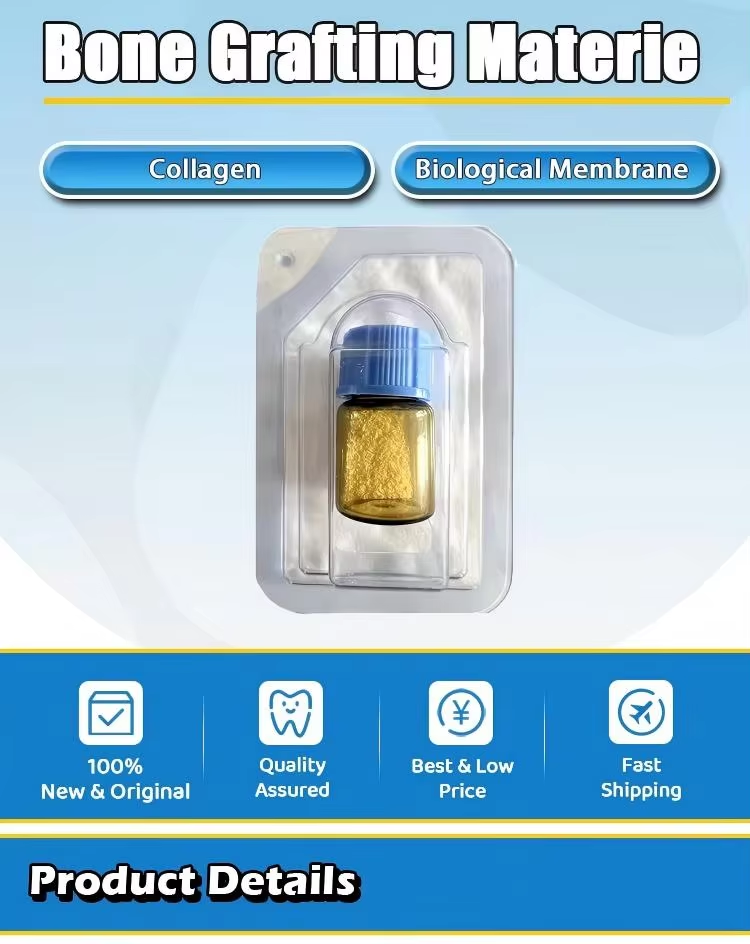
Today, clinicians can choose from autogenous grafts, donor-derived materials, xenografts, and absorbable bone graft materials. These options provide flexibility while reducing the need for additional surgical harvesting procedures.
The upper posterior jaw frequently lacks adequate vertical bone height because the maxillary sinus expands after tooth loss. In these cases, a sinus lift bone graft procedure is often required before implant placement.
During a sinus lift bone graft, the sinus membrane is elevated and graft material is inserted beneath it. This creates additional bone volume where implants can later be placed safely and predictably.
Many clinicians prefer absorbable bone graft materials during a sinus lift bone graft because they offer excellent handling characteristics and support natural bone regeneration. The success of modern posterior maxillary implants is closely linked to advances in sinus lift bone graft techniques.
The effectiveness of a bone graft for dental implants depends largely on the biological characteristics of the material used. Successful grafts typically provide:
Modern absorbable bone graft materials are designed to support these functions while gradually being replaced by the patient's own bone. This process helps satisfy long-term osseointegration bone requirements and improves implant stability.
Many collagen-enhanced products combine mineral scaffolds with biological signaling molecules, creating ideal conditions for regeneration. As a result, absorbable bone graft materials have become increasingly popular in implant dentistry.
One reason absorbable bone graft materials are widely used is their ability to integrate naturally into the body's remodeling process. Instead of remaining permanently in the graft site, these materials gradually resorb as new bone forms.
Advanced absorbable bone graft materials often contain calcium phosphate compounds and collagen matrices that promote vascularization and bone formation. Their composition closely resembles natural bone, helping clinicians meet critical osseointegration bone requirements.
For socket preservation, ridge augmentation, and sinus lift bone graft procedures, properly selected absorbable bone graft materials can provide predictable and long-lasting results.
The value of a bone graft for dental implants extends far beyond initial surgery. Adequate surrounding bone distributes chewing forces more evenly and protects the implant from excessive stress.
Patients who receive a bone graft for dental implants often demonstrate higher long-term success rates compared with those treated in deficient bone. This is particularly true when significant bone loss exists and the dental implant bone graft necessity is substantial.
Maintaining sufficient bone volume also supports healthy soft tissue contours, helping preserve both function and esthetics around the final restoration.
Addressing the dental implant bone graft necessity before implant placement can significantly reduce complications. Implant failure, peri-implant bone loss, and revision surgery are all more common when implants are placed in inadequate bone.
By using a properly planned bone graft for dental implants, clinicians can meet essential osseointegration bone requirements from the beginning and minimize long-term risks.
From both a clinical and economic perspective, addressing the dental implant bone graft necessity proactively is generally more effective than treating implant failure later. Successful grafting creates a stronger foundation for long-term implant health and patient satisfaction.
No. However, when bone volume or density is insufficient, a bone graft for dental implants is often necessary. Diagnostic imaging helps determine the level of dental implant bone graft necessity for each patient.
Healing varies depending on the procedure and material used. Smaller grafts may heal within three to four months, while larger grafting procedures or a sinus lift bone graft may require six to nine months before implant placement.
Options include autogenous bone, allografts, xenografts, and synthetic absorbable bone graft materials. Many clinicians favor modern absorbable bone graft materials because they provide predictable regeneration without donor-site surgery.
Although uncommon, graft failure can occur due to infection, poor blood supply, or graft instability. Careful case selection, proper surgical technique, and high-quality absorbable bone graft materials help reduce this risk and support the osseointegration bone requirements necessary for implant success.

 EN
EN