Dental implant surgery demands accuracy at every stage. A minor deviation in depth, angulation, or drill selection can affect implant stability and long-term treatment success. For this reason, many clinicians rely on a professional implant surgical kit to achieve consistent dental implant precision throughout the procedure.
Unlike a collection of individual instruments, an implant surgical kit is designed as a coordinated system. Every drill, driver, gauge, and stop is engineered to work together, supporting proper surgical kit calibration and improving osteotomy drilling accuracy. This systematic approach helps clinicians perform implant placement with greater confidence and predictability.
One of the primary advantages of an implant surgical kit is the use of a structured implant drill sequence. During implant placement, each drill enlarges the osteotomy in controlled increments. This process supports osteotomy drilling accuracy while reducing unnecessary trauma to surrounding bone.
A professional implant surgical kit ensures that every step in the implant drill sequence follows a predefined protocol. The dimensions of pilot drills, intermediate drills, and final drills are carefully matched to the implant system. This level of surgical kit calibration helps maintain dental implant precision from the beginning of the procedure to final implant placement.
Without a coordinated implant drill sequence, clinicians may encounter dimensional inconsistencies that negatively affect osteotomy drilling accuracy and implant positioning.
An implant surgical kit is designed so that all instruments function as a unified system. Proper surgical kit calibration means depth gauges, drill stops, implant drivers, and torque instruments correspond precisely with the implant protocol.
This consistency improves dental implant precision by reducing the possibility of instrument mismatch. When every component in the implant surgical kit follows the same dimensional standards, clinicians can maintain greater control throughout surgery.
Osteotomy preparation is one of the most critical stages of implant placement. Achieving high osteotomy drilling accuracy requires a carefully designed implant drill sequence that removes bone gradually while preserving structural integrity.
A quality implant surgical kit typically includes multiple drill sizes that allow progressive enlargement of the implant site. Each drill is calibrated to support osteotomy drilling accuracy while minimizing heat generation and excessive pressure.
The implant drill sequence provided by an implant surgical kit also helps maintain proper implant trajectory. By following the recommended progression, clinicians improve dental implant precision and reduce the likelihood of positional deviations.
Depth control is another major contributor to osteotomy drilling accuracy.
Most modern implant surgical kit systems include:
These features support surgical kit calibration by helping clinicians verify drilling depth at every stage of the implant drill sequence.
Accurate depth management improves dental implant precision and reduces the risk of encroaching on anatomical structures such as nerves or sinus cavities.
Surgical kit calibration is essential for predictable implant placement. Every instrument within an implant surgical kit must maintain precise dimensions to ensure accurate performance.
Proper surgical kit calibration ensures that:
Without adequate surgical kit calibration, dental implant precision may be compromised even when clinical technique is excellent.
In full-arch and multi-unit cases, surgical kit calibration becomes even more important.
When multiple implants are placed, consistency across sites is critical. A properly calibrated implant surgical kit helps maintain the same implant drill sequence and osteotomy drilling accuracy throughout the procedure.
This uniformity improves prosthetic alignment and contributes to better long-term restorative outcomes.
The performance of an implant surgical kit depends heavily on material quality.
Most professional systems use surgical-grade stainless steel because it provides:
High-quality materials support surgical kit calibration by ensuring instruments maintain their dimensions after repeated use and sterilization.
When instruments remain stable over time, clinicians can continue achieving consistent dental implant precision and osteotomy drilling accuracy.
Rigid instruments are particularly important during osteotomy preparation.
A premium implant surgical kit uses drills designed to resist flexing under load. Stable drills improve osteotomy drilling accuracy by maintaining the intended drilling path throughout the implant drill sequence.
This contributes directly to dental implant precision and supports predictable implant positioning.
Dental implant precision depends not only on instrument dimensions but also on clinician control.
A well-designed implant surgical kit typically includes ergonomic handles that provide:
These characteristics allow clinicians to maintain greater control during the implant drill sequence and improve osteotomy drilling accuracy.
Tactile feedback is an important component of dental implant precision.
An ergonomic implant surgical kit allows clinicians to better detect changes in bone density and drilling resistance. This information helps guide decision-making throughout the implant drill sequence and supports more accurate osteotomy preparation.
A professional implant surgical kit must maintain performance through repeated sterilization cycles.
High-quality instruments are designed to preserve:
Maintaining calibration after sterilization is essential for preserving dental implant precision and osteotomy drilling accuracy over time.
A complete implant surgical kit improves workflow efficiency by ensuring that all required instruments are available and organized.
This reduces interruptions and allows clinicians to focus on:
The fewer procedural disruptions encountered during surgery, the easier it becomes to maintain accuracy and consistency.
A high-quality implant surgical kit provides benefits beyond individual procedures. Consistent surgical kit calibration supports reliable implant placement across hundreds of cases. A standardized implant drill sequence improves osteotomy drilling accuracy and reduces procedural variability.
Clinicians who use a well-designed implant surgical kit often experience:
Because every stage of implant surgery depends on accuracy, investing in a reliable implant surgical kit is ultimately an investment in long-term treatment success.
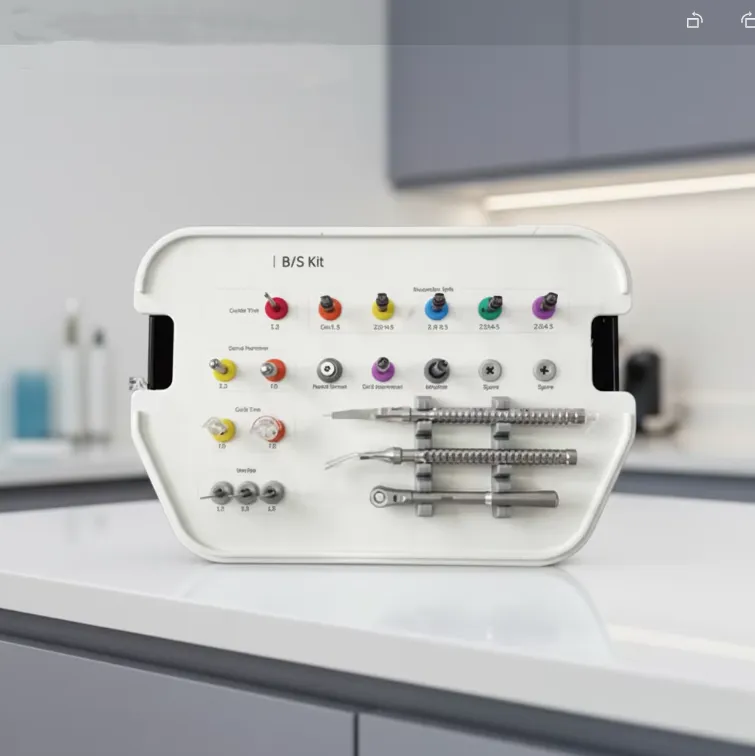
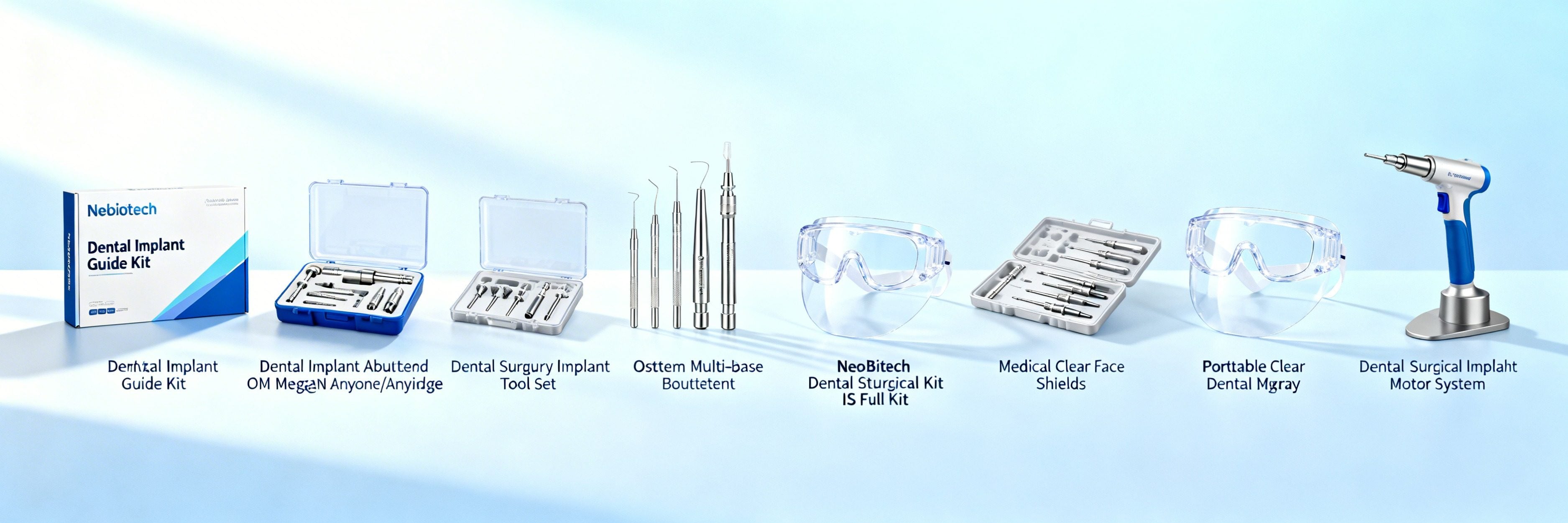
A standard implant surgical kit usually includes pilot drills, progressive drills, depth gauges, implant drivers, torque instruments, tissue punches, and other components required to complete the implant drill sequence while maintaining osteotomy drilling accuracy.
The implant drill sequence gradually enlarges the osteotomy and helps preserve bone quality. Following the correct implant drill sequence improves osteotomy drilling accuracy and supports greater dental implant precision.
Surgical kit calibration refers to the dimensional accuracy and consistency of the instruments within an implant surgical kit. Proper surgical kit calibration helps ensure that drills, drivers, and depth references perform according to implant system specifications.
An implant surgical kit improves dental implant precision by providing calibrated instruments, a structured implant drill sequence, reliable depth control, and consistent osteotomy drilling accuracy throughout the surgical procedure.

 EN
EN