Selecting the right bone graft material selection strategy is one of the most important decisions in implant dentistry and oral reconstruction. The success of regeneration, implant stability, and long-term function depends heavily on the biological and mechanical properties of the graft chosen. With numerous dental bone graft materials available today, clinicians must understand how each option performs in different clinical situations.
Effective bone graft material selection involves more than filling a defect. The chosen material should support bone regeneration through osteogenesis, osteoinduction, osteoconduction, or a combination of these mechanisms. Factors such as defect size, healing potential, implant timing, and surgical goals all influence the ideal approach.
Autogenous bone remains the reference standard in many discussions of bone graft material selection. Harvested from the patient's own body, autografts provide living cells, growth factors, and a natural scaffold. As a result, they offer osteogenic, osteoinductive, and osteoconductive properties.
Despite these advantages, autografts require a second surgical site, increasing treatment time, morbidity, and patient discomfort. Because of these limitations, many clinicians now evaluate alternative dental bone graft materials that eliminate donor-site surgery while still providing predictable regeneration.
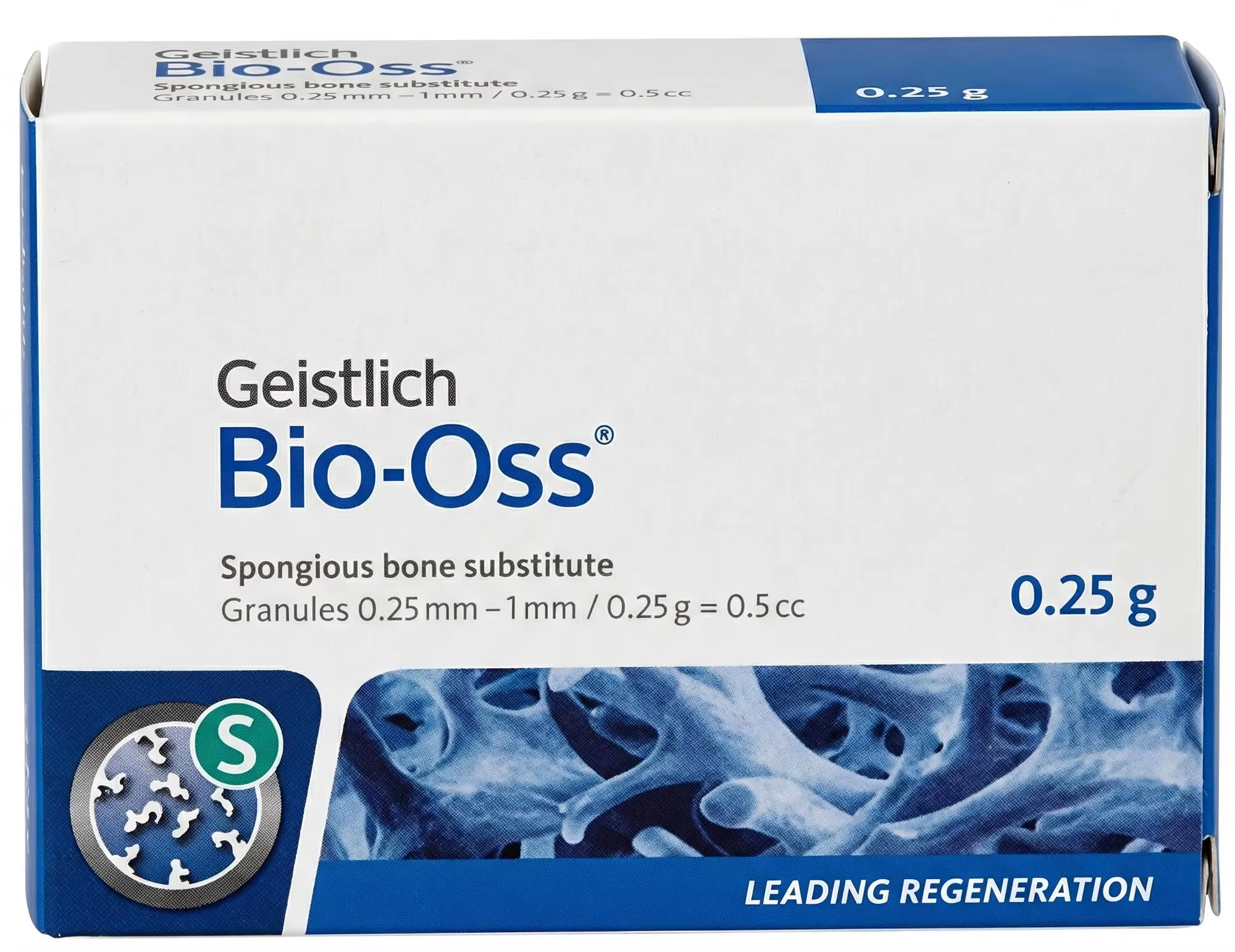
Allografts are among the most common dental bone graft materials used in implant procedures. Processed from human donor tissue, they provide a scaffold for bone growth while avoiding additional surgical harvesting.
A frequent topic in allograft vs xenograft discussions is biological activity. Demineralized allografts may expose bone morphogenetic proteins that contribute to osteoinductive potential, while mineralized versions primarily function as scaffolds. For many clinicians, allografts offer an effective balance between biological performance and procedural simplicity.
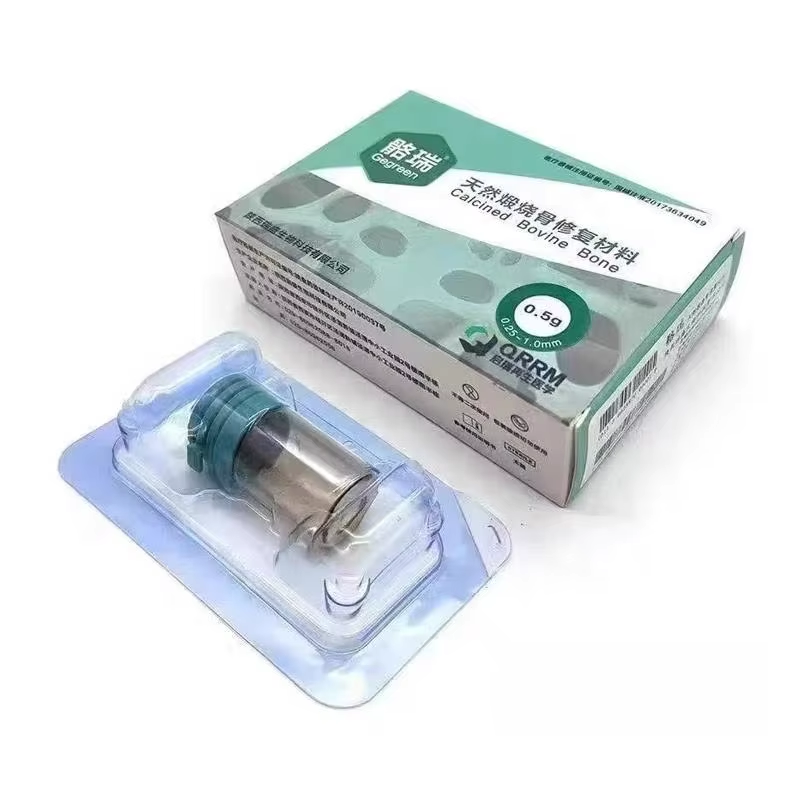
The debate of allograft vs xenograft often centers on resorption behavior. Xenografts, commonly derived from bovine sources, retain a porous mineral structure that closely resembles human bone. They function primarily as osteoconductive scaffolds.
One reason xenografts are frequently selected in allograft vs xenograft comparisons is their slow resorption rate. This characteristic helps preserve ridge dimensions and maintain graft volume during healing, making them valuable in implant site development and ridge preservation procedures.
When evaluating allograft vs xenograft, clinicians should consider healing timelines, defect dimensions, and desired volume stability.
The choice between allograft vs xenograft depends largely on treatment objectives. Allografts may integrate more rapidly, while xenografts often provide longer-lasting structural support.
For socket preservation and routine implant cases, both categories of dental bone graft materials have demonstrated predictable outcomes. The decision should be based on the specific regenerative requirements of the site rather than a universal preference.
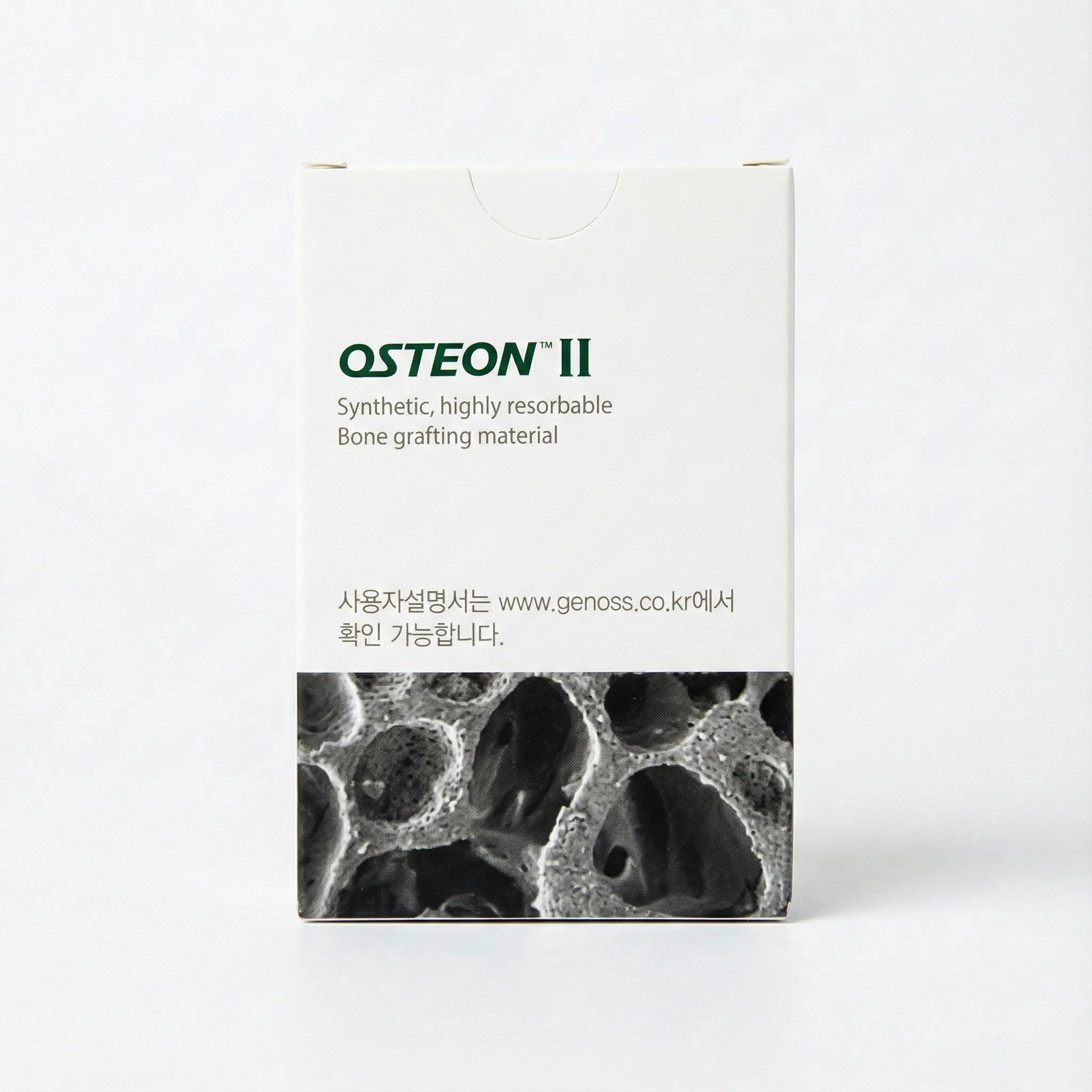
The growing popularity of synthetic bone graft for implants reflects significant advances in biomaterial technology. These products are manufactured from calcium phosphate ceramics, hydroxyapatite, beta-tricalcium phosphate, bioactive glass, or composite formulations.
A major advantage of synthetic bone graft for implants is the elimination of disease-transmission concerns. Manufacturers can also precisely control porosity, resorption rate, and surface characteristics, allowing clinicians to match material behavior to clinical needs.
Modern synthetic bone graft for implants products often combine mineral components with collagen matrices to improve handling and biological performance.
One important factor in bone graft material selection is resorption speed. A synthetic bone graft for implants can be engineered for either rapid or gradual replacement by native bone.
Materials with higher beta-TCP content generally resorb faster, while hydroxyapatite-rich formulations maintain structural support longer. Understanding these differences helps clinicians choose the most appropriate synthetic bone graft for implants for immediate, early, or delayed implant placement protocols.
For contained extraction sockets and minor defects, many dental bone graft materials perform successfully because surrounding bone walls support natural healing. In these situations, bone graft material selection can focus on handling characteristics, resorption profile, and cost efficiency.
Both allografts and synthetic bone graft for implants products are frequently used in these applications.
Larger defects require more strategic bone graft material selection. Structural stability, graft retention, and space maintenance become increasingly important.
In these situations, clinicians often combine slowly resorbing dental bone graft materials with membranes as part of a guided bone regeneration protocol. This combination protects the regenerative space while promoting predictable bone formation.
Successful bone graft material selection must account for patient biology. Conditions such as diabetes, smoking, osteoporosis, and certain medications can negatively affect bone healing.
For patients with reduced regenerative capacity, clinicians may favor biologically active dental bone graft materials or combine grafts with growth factors. In healthier individuals, osteoconductive materials alone may provide excellent outcomes.
Because patient-specific factors directly affect regeneration, thorough medical evaluation remains a critical component of bone graft material selection.
Modern implant dentistry frequently relies on guided bone regeneration to achieve predictable bone growth. In a guided bone regeneration procedure, a barrier membrane protects the grafted site from invasion by soft tissue cells.
Without guided bone regeneration, connective tissue may occupy the defect before bone-forming cells can establish themselves. This can significantly reduce the effectiveness of otherwise excellent dental bone graft materials.
The success of guided bone regeneration depends on selecting a compatible membrane and graft combination. Resorbable collagen membranes are commonly paired with allografts, xenografts, or synthetic bone graft for implants products.
Properly executed guided bone regeneration helps maintain space, stabilize graft particles, and support vascularization throughout healing.
Physical form is another important element of bone graft material selection. Available formats include granules, powders, putties, and blocks.
Powder and particulate dental bone graft materials adapt easily to irregular defects, while putties improve handling and reduce particle migration. Block grafts offer superior dimensional stability but require greater surgical expertise.
The ideal bone graft material selection should balance regenerative performance with surgical convenience and defect morphology.
A final consideration in bone graft material selection is coordinating graft behavior with implant placement schedules.
Fast-resorbing synthetic bone graft for implants products may be preferred when early implant placement is planned. Slower-resorbing xenografts may provide better support when extended healing periods are anticipated.
Matching graft resorption to treatment timelines improves predictability and helps optimize implant-site quality.
The most important factor in bone graft material selection is matching the biological and mechanical properties of the graft to the defect size, healing requirements, and implant timeline.
In allograft vs xenograft comparisons, allografts generally originate from human donor tissue, while xenografts are animal-derived. Xenografts often resorb more slowly and provide longer-term volume stability.
Yes. Modern synthetic bone graft for implants products are designed specifically for regenerative procedures and are widely used in implant dentistry due to their safety, consistency, and predictable performance.
Guided bone regeneration protects the graft site from soft tissue invasion and creates a stable environment for bone formation. It is often combined with various dental bone graft materials to improve regenerative outcomes and support implant success.

 EN
EN