Across every major global market, stainless steel dental instruments have become the standard of choice for dental clinics, surgical centers, and procurement teams. Whether in high-volume urban practices or specialized implant surgery suites, dental instruments made from stainless steel consistently outperform alternatives in durability, hygiene compliance, and long-term value. The global demand for reliable dental instruments continues to rise, and understanding why stainless steel dominates this space helps practitioners and buyers make smarter sourcing decisions.
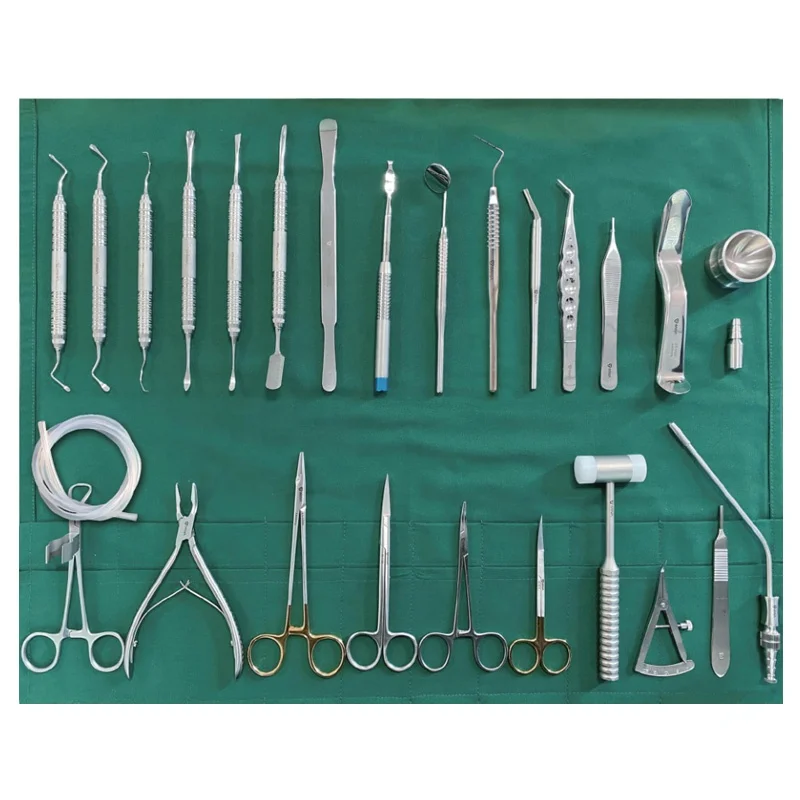
From extraction forceps to implant surgical kits, dental instruments crafted from medical-grade stainless steel are trusted in over a hundred countries. The combination of corrosion resistance, sterilization compatibility, and precise engineering has driven the adoption of these dental instruments in both developed and emerging healthcare markets. This article explores the core reasons behind their global popularity and why procurement specialists continue to prioritize them above all other material options.
One of the most compelling reasons stainless steel dental instruments dominate global procurement lists is their exceptional corrosion resistance. Dental instruments are exposed to saliva, blood, chemical disinfectants, and repeated autoclaving cycles. Stainless steel dental instruments maintain structural integrity through hundreds of sterilization rounds without degrading, rusting, or losing edge sharpness. This longevity directly reduces replacement costs for clinics and makes these dental instruments an economically sound investment over time.
In markets where supply chains are complex or imports are costly, having dental instruments that last significantly longer than polymer or low-grade metal alternatives is a major operational advantage. Procurement managers in hospitals and dental chains specifically seek dental instruments that provide reliable multi-year performance, making stainless steel the clear frontrunner in volume purchasing decisions.
Global health regulations demand that dental instruments meet strict sterilization standards. Stainless steel dental instruments are fully compatible with steam autoclaving, chemical sterilization, and dry heat methods. Unlike some composite or coated dental instruments, stainless steel surfaces do not absorb contaminants or develop micro-fractures that harbor bacteria. This makes stainless steel dental instruments the preferred choice for infection control compliance across regulatory frameworks in North America, Europe, and Asia-Pacific markets.
Dental instruments that pass international hygiene benchmarks open doors for cross-border trade and hospital procurement contracts. Stainless steel dental instruments consistently meet ISO standards and other certification requirements that many international buyers now mandate before placing orders. This compliance factor is a significant driver of their growing global market share.
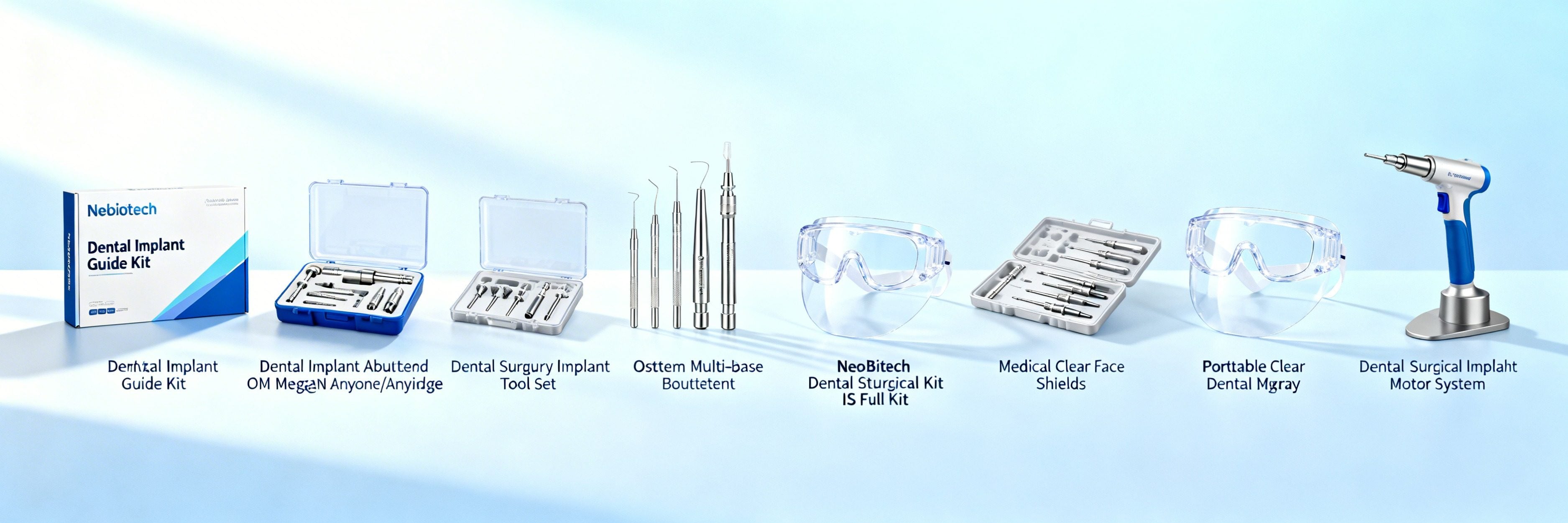
Modern dental procedures, especially implant surgeries, require dental instruments that deliver exact tactile feedback and dimensional accuracy. Stainless steel dental instruments provide consistent stiffness and balance that surgeons rely on during delicate placements. A well-designed dental instruments kit for implant surgery includes elevators, drill guides, tissue punches, and torque wrenches — all benefiting from the rigidity and precision that only quality stainless steel can deliver. Practitioners consistently report that dental instruments built to exact tolerances improve procedural accuracy and reduce chair time.
As implant dentistry grows globally, demand for specialized dental instruments sets has surged. Markets in Southeast Asia, the Middle East, and Latin America are importing increasing volumes of stainless steel dental instruments to equip newly established implant centers. The precision-engineered nature of these dental instruments supports the clinical confidence required in high-stakes oral surgical environments.
Stainless steel dental instruments are not limited to a single specialty. Restorative, periodontic, orthodontic, endodontic, and oral surgery practices all rely on dental instruments constructed from stainless steel. The material adapts well to a wide range of designs — from scalers and probes to surgical retractors and bone chisels. This versatility makes dental instruments in stainless steel the universal backbone of any fully equipped dental practice.
For distributors and wholesale buyers, stocking dental instruments in stainless steel means serving a broader client base without needing to diversify into multiple material categories. A single well-curated range of stainless steel dental instruments can satisfy the procurement needs of general practitioners, specialists, and surgical teams simultaneously.
Emerging dental markets in Africa, South and Southeast Asia, and Eastern Europe are scaling up clinical infrastructure rapidly. These regions are importing dental instruments at accelerating rates to support growing patient populations and newly licensed clinics. Stainless steel dental instruments offer the right balance of affordability at scale and quality assurance that purchasing managers in these regions prioritize. Government-funded dental programs also tend to specify stainless steel dental instruments due to their known performance and compliance credentials.
Trade data from major dental instrument exporting countries reflects a steady increase in demand for stainless steel dental instruments from lower-middle-income markets. This trend shows that the popularity of these dental instruments is not limited to premium healthcare environments — it extends across the full spectrum of global dental care delivery.
In established markets such as Germany, the United States, Japan, and South Korea, dental instruments are evaluated against extremely high clinical and regulatory benchmarks. Premium stainless steel dental instruments with micro-polished finishes, ergonomic handles, and CE or FDA markings command strong buyer preference in these regions. The willingness of these markets to pay premium prices for certified dental instruments reinforces stainless steel as the material that spans every market tier globally.
Stainless steel dental instruments resist corrosion, withstand repeated autoclaving, and maintain their shape and sharpness far longer than instruments made from lower-grade metals or composites. This makes stainless steel dental instruments a cost-effective and reliable long-term solution for clinical environments that require frequent sterilization and consistent performance.
Yes. Stainless steel dental instruments are well-suited for implant surgery kits because they provide the rigidity, precision, and sterility compatibility that complex surgical procedures require. Many complete implant kits include a full range of dental instruments in stainless steel, covering every stage from flap elevation to torque control during implant placement.
International buyers prefer stainless steel dental instruments because they meet widely recognized standards such as ISO certifications, offer predictable performance across high-volume use, and are compatible with standard sterilization protocols worldwide. These qualities reduce procurement risk and ensure that dental instruments purchased in bulk will meet the operational demands of diverse clinical environments.

 EN
EN