Professional dentists spend hours each day performing intricate procedures that demand precision, control, and physical endurance. The tools they use are not simply mechanical extensions of their hands — they are carefully designed systems that directly affect clinical outcomes. Among the many choices available in today's market, ergonomic dental instruments have risen to become the standard preference for skilled practitioners worldwide. Understanding why this preference exists requires a close look at the relationship between instrument design, clinical performance, and long-term practitioner wellbeing.
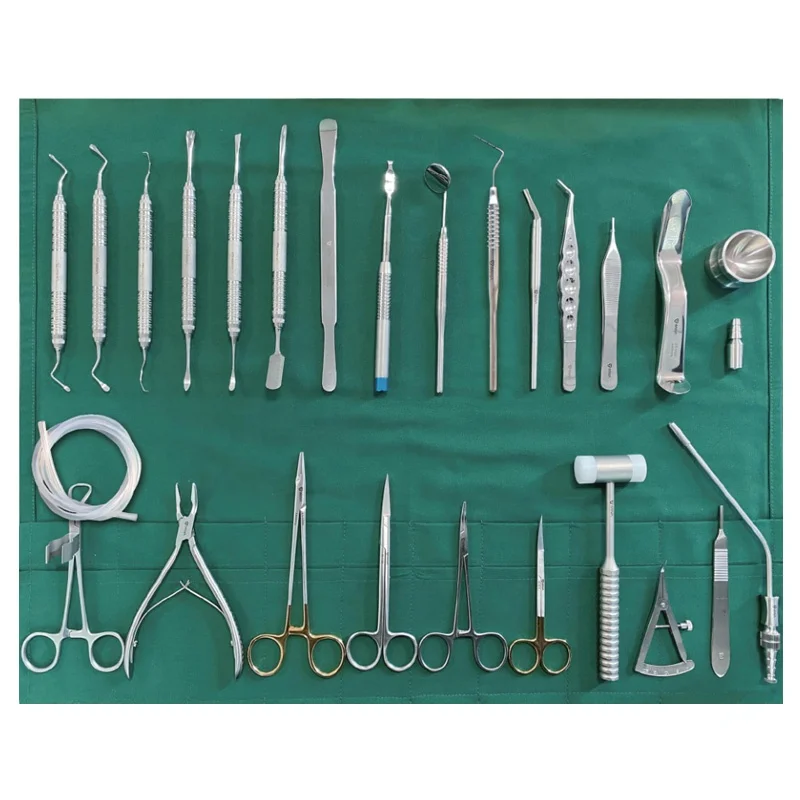
Ergonomic dental instruments are specifically engineered to reduce physical strain while enhancing functional accuracy. Unlike conventional tools that prioritize material cost over user experience, ergonomic designs account for grip mechanics, wrist positioning, finger pressure distribution, and the overall biomechanics of clinical dentistry. These principles translate into real, measurable advantages — both for the dentist and for the patient sitting in the chair. The growing demand for such tools reflects a deeper shift in how the dental profession values both clinical excellence and practitioner health.
Dentistry is physically demanding work. Dentists routinely adopt awkward postures, apply sustained grip force, and perform highly repetitive motions across multiple patients each day. Over time, these physical demands accumulate into conditions such as carpal tunnel syndrome, tendinitis, and chronic neck and shoulder pain. Poorly designed dental instruments accelerate this process by forcing practitioners to compensate with excessive grip strength or unnatural wrist angles. The right dental instruments reduce these compensatory behaviors before they become injuries.
Ergonomic dental instruments address these risks by distributing grip pressure more evenly across the hand. Larger, textured handles allow a lighter but more secure hold, reducing the pinch force required to maintain control. When dental instruments are comfortable to hold during extended procedures, dentists can maintain focus on accuracy rather than managing discomfort. This is not a minor quality-of-life benefit — it is a clinical safety issue that affects the quality of every procedure performed.
The weight and balance of dental instruments play a significant role in procedural accuracy. Instruments that are too heavy or poorly balanced create fatigue faster, particularly during microsurgical or implant procedures where sub-millimeter precision matters. Well-designed dental instruments achieve an optimal weight distribution that feels natural in the hand, allowing the practitioner to guide the tool with intention rather than fighting against its physical properties. Professional dentists notice this difference immediately and consistently choose dental instruments that support rather than hinder their technique.
Ergonomic dental instruments give dentists a measurable advantage in complex procedures such as implant placement, periodontal scaling, and restorative work. When a practitioner holds dental instruments that fit the natural contours of the hand, muscle fatigue is delayed, hand tremors are minimized, and tactile feedback is more accurately interpreted. This heightened control directly translates into cleaner incisions, more precise bone preparation, and better soft tissue management. Every detail of instrument design contributes to the clinical environment where excellence is expected.
High-quality dental instruments made from premium stainless steel combine ergonomic handle design with durable, corrosion-resistant material quality. Stainless steel dental instruments maintain their sharpness and structural integrity across repeated sterilization cycles, ensuring consistent performance procedure after procedure. Practitioners who invest in well-crafted dental instruments benefit from tools that do not degrade in performance over time, which is critical in a high-volume clinical setting.
The link between instrument ergonomics and patient safety is direct. When dental instruments are comfortable and controllable, the risk of unintentional tissue damage is reduced. Procedures completed with well-balanced dental instruments typically take less time because the practitioner is not struggling with inadequate tools. Shorter procedure time reduces patient discomfort, lowers anesthetic exposure duration, and supports faster healing. From a patient care perspective, the quality of the dental instruments used is inseparable from the quality of treatment delivered.
Efficiency in a dental practice is also a business consideration. Dental instruments that perform reliably allow practitioners to complete more procedures with consistent quality. This supports patient throughput without compromising outcomes. When a dental practice is known for precision and care, patient retention and referral rates improve. The choice of dental instruments is therefore not just a clinical decision — it is a strategic one that shapes the reputation and sustainability of the practice.
Dental professionals develop strong preferences for specific dental instruments during their training and early career experience. Once a practitioner becomes accustomed to the feel and balance of ergonomic dental instruments, returning to conventional designs feels limiting. This familiarity reinforces the preference cycle — dentists who train with quality dental instruments recognize the difference and continue to seek out that standard throughout their careers. Dental schools and training programs increasingly emphasize ergonomic principles in their curriculum, reinforcing the long-term adoption of better-designed dental instruments.
A dentist's career spans decades, and the cumulative physical toll of using poorly designed dental instruments becomes significant over time. Many experienced practitioners cite musculoskeletal health as a primary reason for their strict preference for ergonomic dental instruments. Protecting hand and wrist function is not simply a personal concern — it is a professional survival strategy. Dental instruments that minimize strain protect the most important asset in any dental practice: the practitioner's ability to perform at a high level day after day, year after year.
The dental profession has also become more aware of occupational health risks, which has increased institutional support for ergonomic dental instruments. Clinical guidelines, professional associations, and dental workplace safety standards increasingly highlight the importance of instrument design in preventing occupational injury. This institutional endorsement gives professional dentists additional confidence in choosing dental instruments that are specifically designed with ergonomic principles at their core.
Ergonomic dental instruments feature larger-diameter handles, textured grip surfaces, balanced weight distribution, and shapes that align with the natural position of the hand and wrist. These design elements reduce pinch force requirements, minimize fatigue, and improve tactile feedback during procedures. Standard dental instruments often lack these refinements, making them less comfortable during extended use and more likely to contribute to repetitive strain injuries over time.
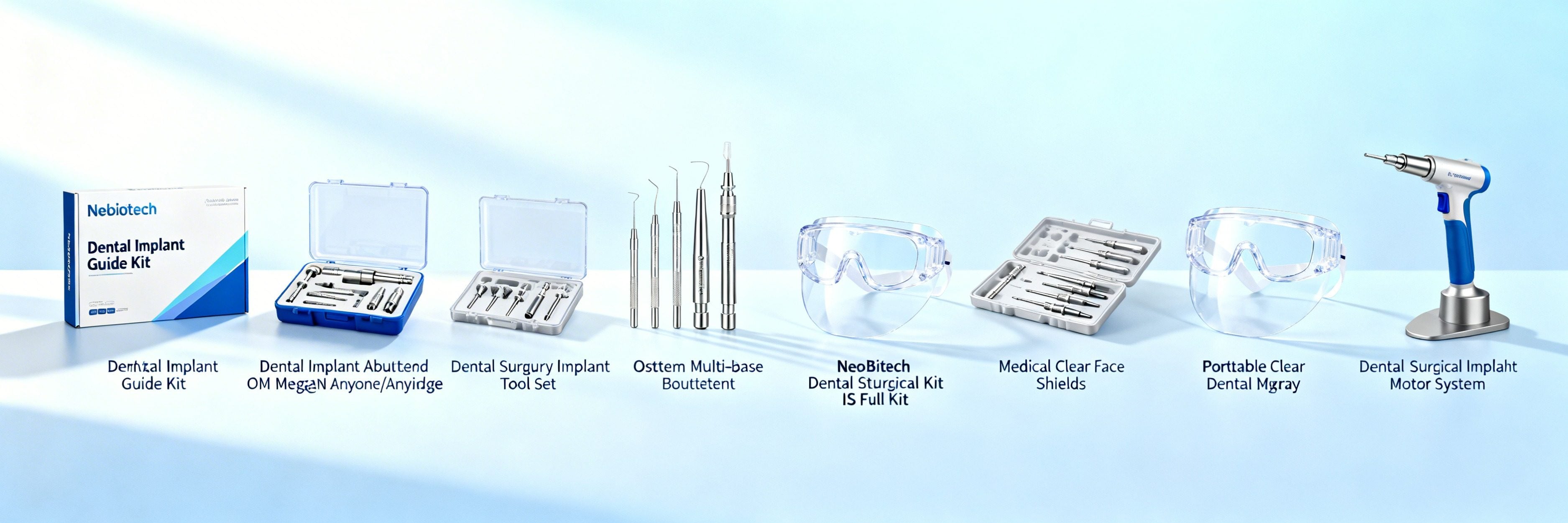
Yes, ergonomic dental instruments are available across all major categories of clinical dentistry, including restorative, periodontal, surgical, and implant procedures. Purpose-designed sets of dental instruments, such as implant surgical kits, incorporate ergonomic handle designs alongside procedure-specific tip geometries. This means practitioners do not need to sacrifice procedural suitability to gain the ergonomic benefits that protect their physical health and improve their clinical performance.
Proper maintenance of dental instruments involves regular inspection for wear, correct sterilization using autoclave cycles compatible with stainless steel, and appropriate storage to prevent instrument contact damage. Ergonomic handles made from quality materials maintain their grip texture and dimensional stability when care protocols are followed correctly. Practitioners should replace dental instruments showing signs of tip wear, handle corrosion, or structural compromise, as degraded dental instruments undermine both ergonomic benefit and clinical safety.

 EN
EN