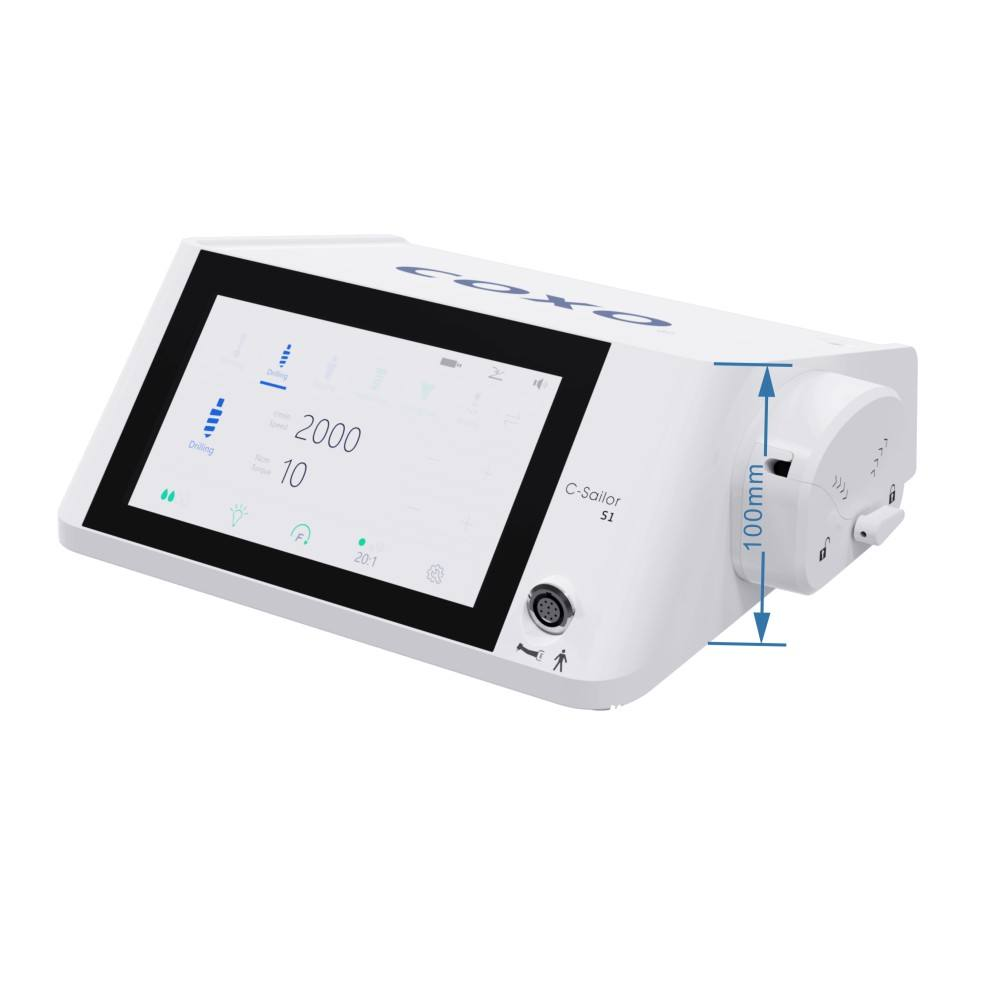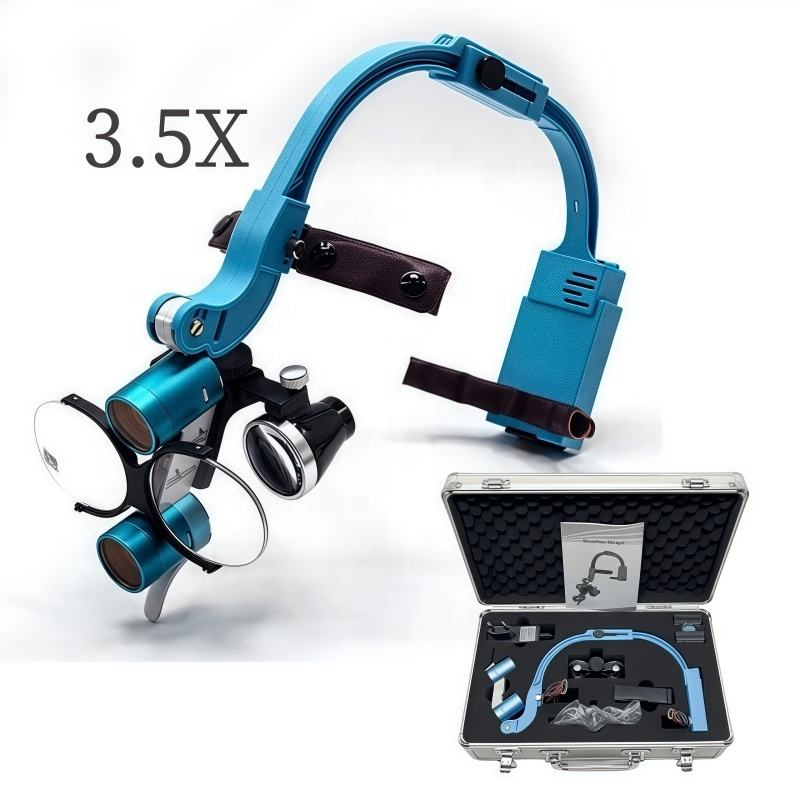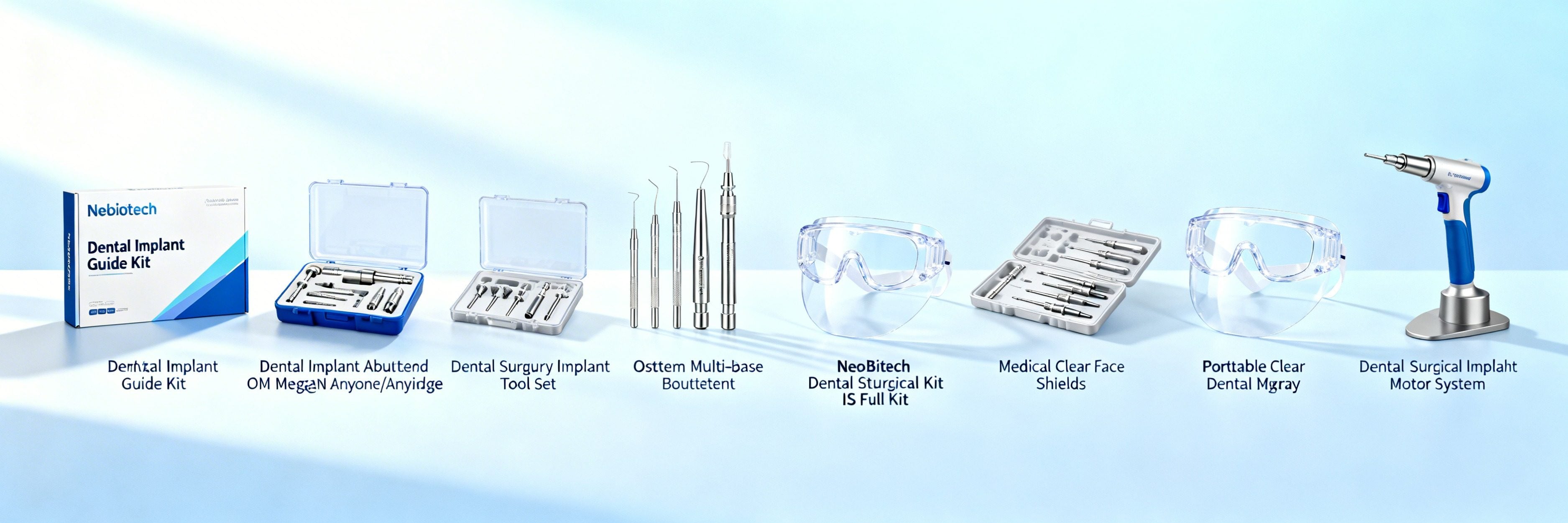
Modern dentistry demands precision, reliability, and consistency at every stage of treatment. Whether a clinician is performing a routine examination, a complex implant procedure, or a surgical extraction, the quality of dental instruments directly shapes the outcome. Premium dental instruments are not simply tools — they are clinical assets that define the standard of care a practice can deliver.
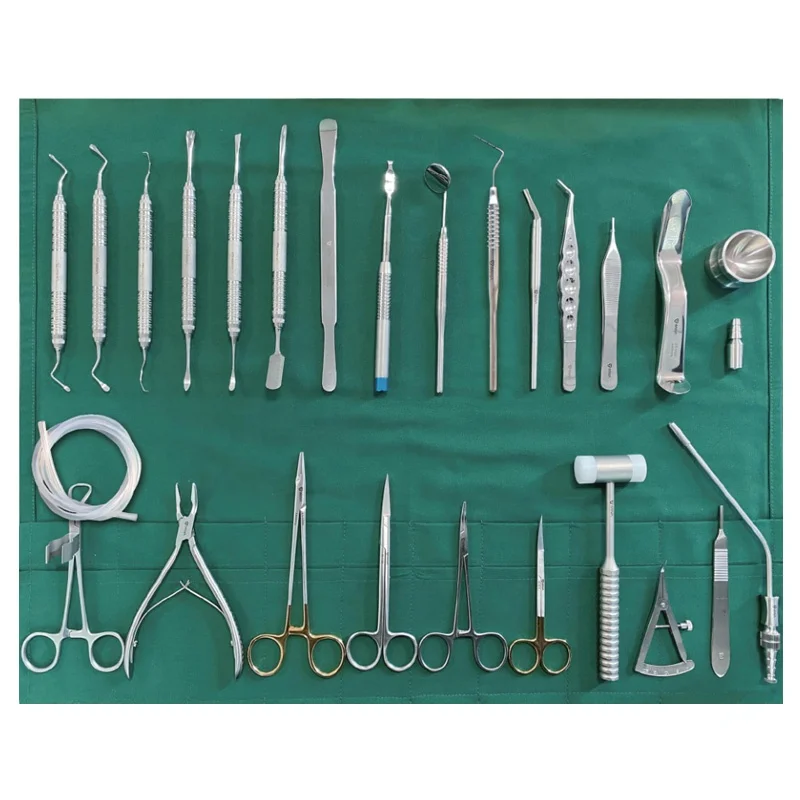
As treatment protocols grow more advanced and patient expectations rise, the role of dental instruments has expanded significantly. From diagnostic accuracy to surgical precision, every category of dental instruments contributes to safer procedures and better long-term results. Understanding how premium dental instruments support modern treatments helps clinicians make informed investment decisions that ultimately benefit patients and practice efficiency alike.
The foundation of any premium set of dental instruments is the material from which they are crafted. High-grade stainless steel remains the industry standard for dental instruments because it combines corrosion resistance, tensile strength, and sterilization compatibility. Dental instruments made from lower-quality alloys tend to degrade faster, develop micro-fractures, and lose their edge geometry after repeated autoclave cycles. This degradation directly compromises clinical performance.
Premium dental instruments maintain their dimensional accuracy even after extensive sterilization. This consistency is critical because even minor deviations in blade angle or tip calibration can affect tissue handling and procedural outcomes. Clinicians working with reliable dental instruments can operate with greater confidence, reducing procedure time and minimizing patient discomfort throughout treatment.
Beyond material composition, the ergonomic design of dental instruments plays a decisive role in clinical efficiency. Handles engineered for optimal grip reduce hand fatigue during lengthy procedures, while balanced weight distribution improves tactile feedback. When dental instruments are designed with the clinician's biomechanics in mind, the risk of repetitive strain injuries decreases, and procedural accuracy improves noticeably.
Modern dental instruments increasingly feature textured or knurled handles that provide a non-slip grip even in moisture-rich environments. This is particularly important during oral surgery and implant placements where control over dental instruments must remain absolute. The combination of material quality and ergonomic design makes premium dental instruments a long-term investment in both clinical safety and professional performance.
Implant dentistry is one of the most technically demanding fields in modern oral care, and it depends entirely on specialized dental instruments. A comprehensive implant surgical kit containing calibrated dental instruments — including drills, depth gauges, bone chisels, and tissue elevators — enables clinicians to execute each surgical phase with controlled precision. Incomplete or poorly calibrated dental instruments increase the risk of implant failure, bone damage, and post-operative complications.
Premium implant-grade dental instruments are designed to integrate seamlessly within established surgical protocols. Each dental instrument within a kit serves a defined function, ensuring that tissue management, osteotomy preparation, and implant seating all proceed according to predictable standards. When dental instruments are purpose-built for implant procedures, the surgical workflow becomes more efficient and the clinical risk profile decreases significantly.
Restorative and periodontal procedures also depend heavily on the caliber of dental instruments available. Scalers, curettes, explorers, and carvers must maintain sharp edges and accurate tip geometries to perform effective debridement, cavity preparation, and margin finishing. Dull or worn dental instruments force clinicians to apply excess pressure, which can damage soft tissue and reduce the precision of restorative work.
High-quality dental instruments retain their functional geometry longer, which means they remain effective across more patient appointments before requiring replacement or sharpening. This durability reduces overhead costs for dental practices while maintaining a consistent standard of care. Investing in premium dental instruments for restorative workflows directly translates into better margins, cleaner preparations, and improved restorative bonding outcomes.
Infection control is a non-negotiable priority in any dental environment, and the ability of dental instruments to withstand repeated sterilization cycles is fundamental to maintaining it. Premium dental instruments are engineered to tolerate high-temperature autoclave sterilization without warping, discoloration, or surface degradation. Dental instruments that corrode or pit after sterilization become potential vectors for cross-contamination, posing serious risks to both patients and staff.
Proper sterilization also preserves the functional integrity of dental instruments over their operational lifespan. Practices that invest in premium dental instruments reduce the frequency of instrument replacement cycles, which lowers long-term supply costs. Reliable dental instruments that pass sterilization testing consistently support a practice's infection control compliance and help meet the standards set by regulatory and professional dental bodies.
The quality of dental instruments used in a practice is not only a clinical matter — it is also a patient trust factor. Patients increasingly research dental care quality before selecting a provider, and practices known for precision and professionalism attract more loyal patient relationships. When dental instruments perform consistently at a high level, procedures are completed more efficiently, discomfort is minimized, and post-treatment recovery tends to be smoother.
Dental professionals who prioritize premium dental instruments send a clear signal about their commitment to quality. This reputation compound over time into higher patient retention, stronger referral networks, and greater clinical confidence across the entire dental team. Premium dental instruments are therefore not just a technical requirement — they are a strategic pillar of a modern, patient-centered dental practice.
Implant surgery requires a specialized range of dental instruments including surgical drills, bone chisels, depth gauges, tissue elevators, and torque wrenches. Each of these dental instruments serves a specific function within the surgical protocol, and using a matched, calibrated set reduces procedural risk and improves implant placement accuracy.
The replacement frequency of dental instruments depends on usage volume, material quality, and sterilization method. Premium stainless steel dental instruments generally last longer than lower-grade alternatives, but clinicians should inspect dental instruments regularly for signs of wear, micro-fractures, or loss of edge sharpness to ensure patient safety is never compromised.
Yes, premium dental instruments can meaningfully reduce procedure time. When dental instruments maintain their precision geometry and ergonomic balance, clinicians work more efficiently with fewer corrections or repeated passes. Well-designed dental instruments improve tactile feedback and control, allowing procedures to be completed with greater speed, accuracy, and reduced patient discomfort overall.

 EN
EN