Modern dental clinics are undergoing a significant transformation, and dental equipment sits at the center of this shift. Across the industry, practitioners are actively choosing smarter, more integrated dental equipment over conventional setups. The reasons behind this growing popularity are grounded in clinical performance, patient expectations, and the demands of running an efficient modern practice.
Understanding why smart dental equipment has become so widely adopted requires looking at how it addresses real operational and clinical challenges. When dental equipment is designed with intelligent features, it directly changes how procedures are performed, how comfortable patients feel, and how smoothly a clinic operates day to day. This article explores the key drivers behind the surge in smart dental equipment adoption across modern clinics worldwide.
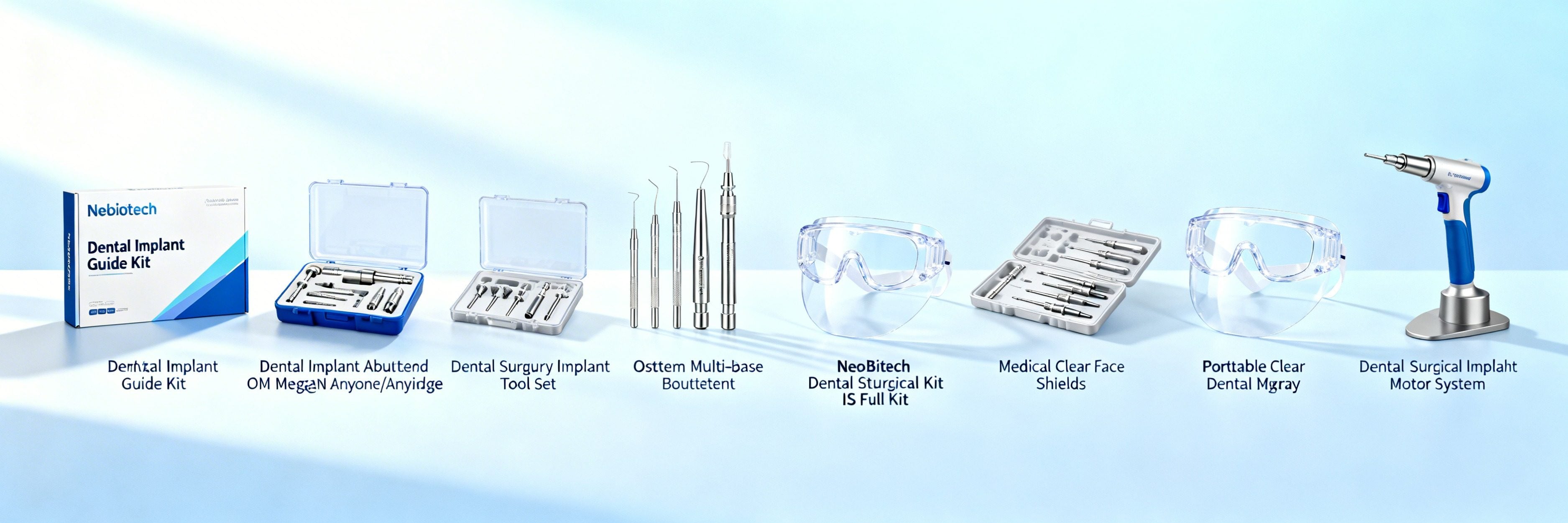
One of the most compelling reasons clinics invest in advanced dental equipment is the measurable improvement in procedural accuracy. Smart dental equipment often integrates digital sensors, touch-screen controls, and automated torque settings that reduce the margin for human error. For example, a brushless surgical implant motor — a type of dental equipment built for precision — allows practitioners to apply controlled force during implant procedures, which directly influences long-term implant success rates. When dental equipment performs with this level of consistency, practitioners can carry out complex treatments with confidence.
Accuracy matters in every aspect of dental treatment, from diagnostics to surgery. Smart dental equipment supports practitioners by providing real-time feedback, adjustable parameters, and consistent output. This reduces chair time, minimizes patient discomfort, and lowers the risk of procedural complications. Every clinic that prioritizes clinical quality has a strong incentive to upgrade its dental equipment to smarter systems that deliver these results reliably.
Smart dental equipment is often built as an integrated unit, combining multiple functions into a single system. An integral treatment unit, for instance, consolidates suction, lighting, instrument control, and motor function into one cohesive dental equipment platform. This integration reduces setup time, minimizes the need for multiple separate devices, and creates a more controlled clinical environment. Practitioners spend less time managing equipment transitions and more time focusing on patient care. Integrated dental equipment is therefore not a luxury — it is a practical efficiency tool for busy clinics handling a high volume of patients.
Modern dental clinics run on tight schedules, and equipment downtime can have significant financial and reputational consequences. Smart dental equipment is engineered with durability and reliability in mind. Brushless motor systems within dental equipment, for example, experience far less mechanical wear than brush-based alternatives, which means lower maintenance frequency and longer service life. Clinics that rely on high-quality dental equipment benefit from fewer unexpected interruptions and more predictable operational planning. Reduced maintenance cost is a direct financial advantage that makes smart dental equipment a sound long-term investment.
Beyond durability, smart dental equipment often includes diagnostic indicators and automatic error detection. These features allow clinic staff to identify potential issues with dental equipment before they escalate into costly breakdowns. Proactive maintenance is far more efficient than reactive repairs, and smart dental equipment is designed to support exactly that kind of management approach. For clinics operating across multiple treatment rooms, having consistently reliable dental equipment across the facility is essential to maintaining scheduling efficiency.
Another reason smart dental equipment is growing in popularity is its user-friendly design. Touch-screen interfaces on modern dental equipment allow both experienced practitioners and newer staff members to navigate settings quickly without requiring extensive technical training. When dental equipment is intuitive to operate, the learning curve shortens significantly. This means clinics can onboard new assistants or hygienists more efficiently without compromising care quality. Dental equipment that simplifies workflows through smart design ultimately benefits the entire clinical team, not just the primary practitioner.
Patients today are more informed and more selective about where they receive care. A clinic that uses modern dental equipment signals professionalism, safety, and commitment to high standards. Smart dental equipment tends to operate more quietly, more precisely, and with fewer procedural disruptions than older models, all of which contribute to a calmer patient experience. Dental equipment that reduces vibration and noise during procedures — such as advanced surgical motor systems — directly reduces patient anxiety, which is one of the most common barriers to dental care compliance. When dental equipment improves the patient experience, it also supports better retention and referral rates for the clinic.
Patient perception of a clinic's dental equipment quality is often subconscious but powerful. When patients observe clean, modern, integrated dental equipment in a treatment room, their confidence in the clinical team increases. This trust is foundational to long-term patient relationships. Smart dental equipment is therefore not only a clinical tool but also a key element of how a practice communicates its values and capabilities to the community it serves.
In markets where multiple clinics compete for the same patient base, the quality of dental equipment becomes a genuine differentiator. Clinics that invest in smart dental equipment position themselves as leaders in clinical innovation. This is particularly relevant for specialty services such as implantology, where the precision capabilities of dental equipment directly influence clinical outcomes. Offering procedures supported by advanced dental equipment allows a clinic to justify premium service positioning, attract more complex cases, and build a reputation for excellence. In this way, smart dental equipment becomes a driver of both clinical and commercial success.
Smart dental equipment typically features digital controls, automated settings, touch-screen interfaces, and integrated multi-function design. These capabilities allow dental equipment to operate with greater precision and consistency than older analogue models, reducing manual adjustments and procedural variability.
Yes. While the upfront investment in modern dental equipment can be higher, the long-term savings from reduced maintenance, lower consumable use, and improved treatment efficiency make advanced dental equipment financially viable even for smaller practices. The clinical and reputational benefits further strengthen the return on investment.
Smart dental equipment enhances patient safety by offering precise torque control, automatic error alerts, and consistent output during procedures. These features reduce the risk of procedural complications and ensure that dental equipment performs reliably within established clinical parameters, contributing to safer and more predictable treatment outcomes.

 EN
EN