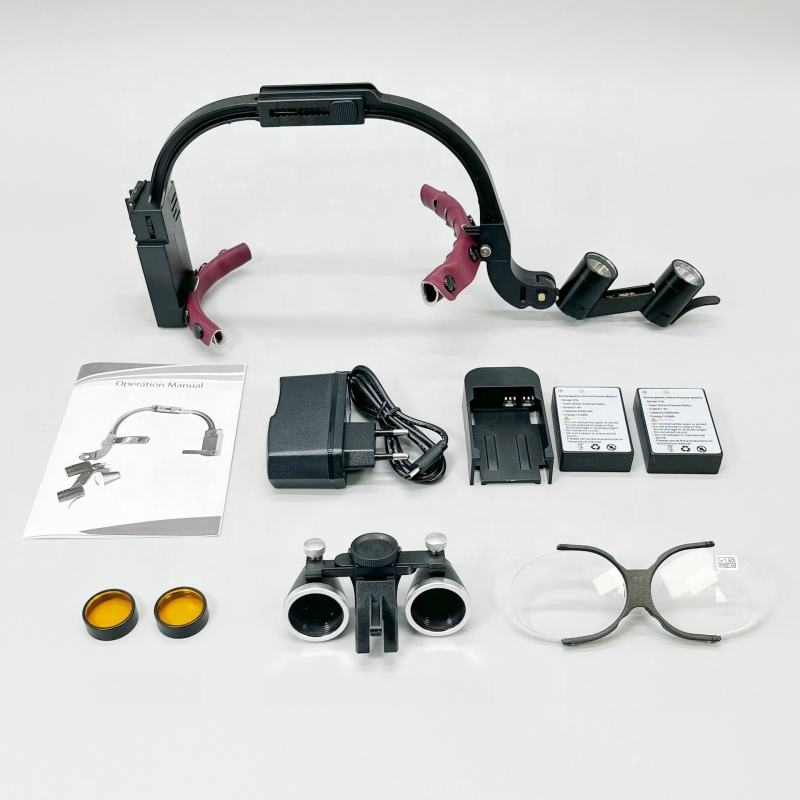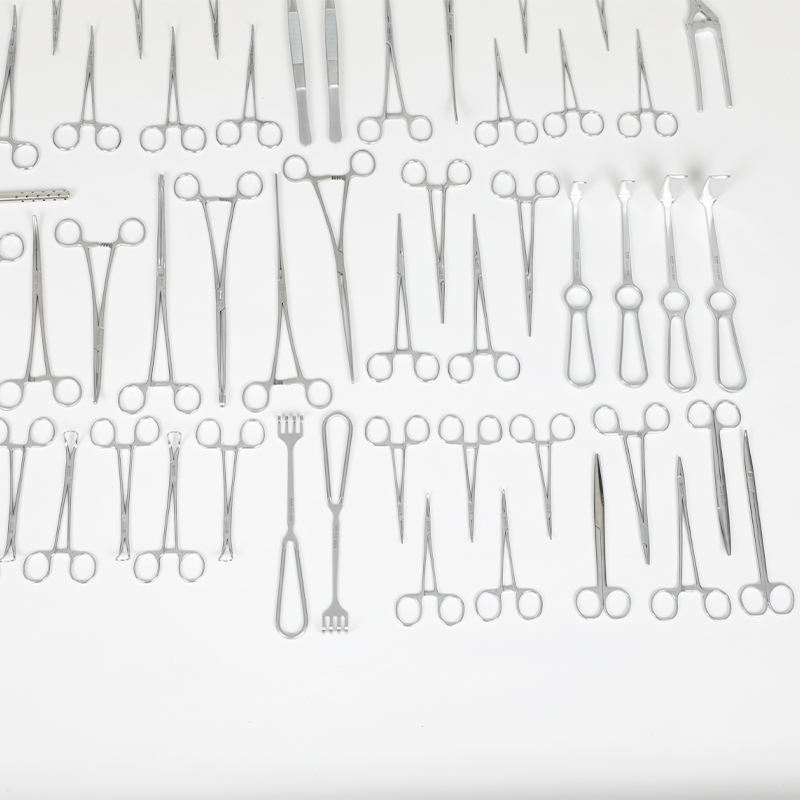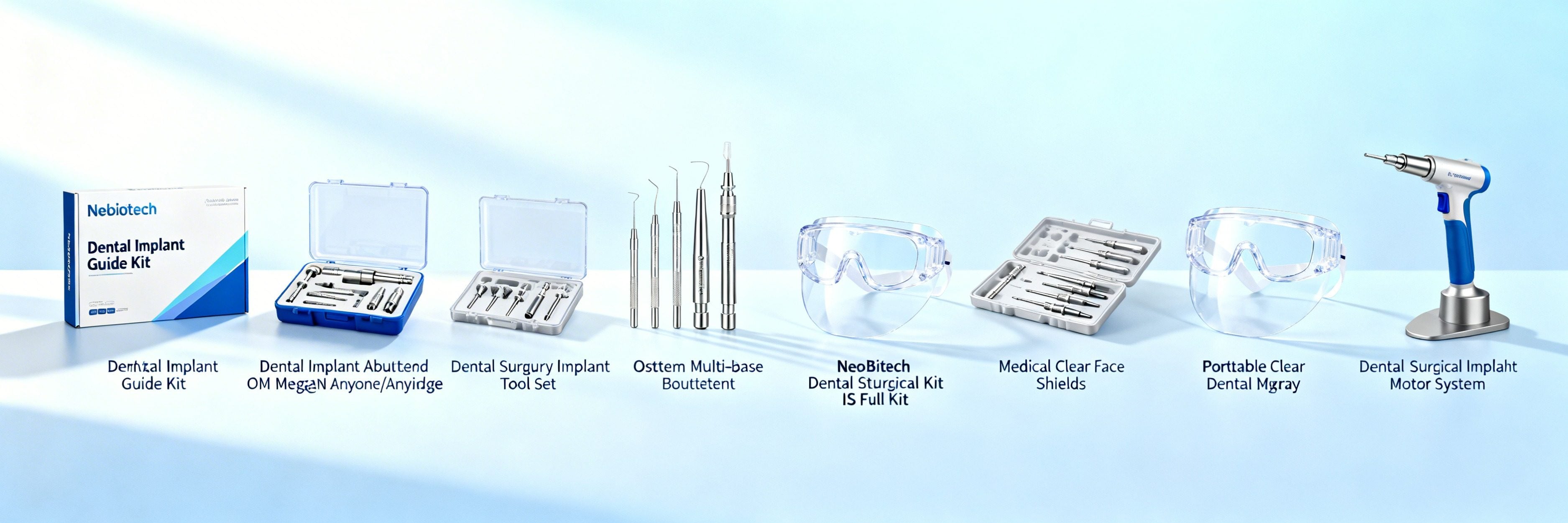
The global market for dental equipment has grown dramatically over the past decade. As oral health awareness rises across Asia, Europe, Latin America, and the Middle East, dental clinics and hospitals are investing heavily in modern instruments and technologies. For manufacturers, this surge in demand creates enormous opportunity — but it also introduces significant pressure to meet a wide range of international expectations around quality, compliance, and performance.
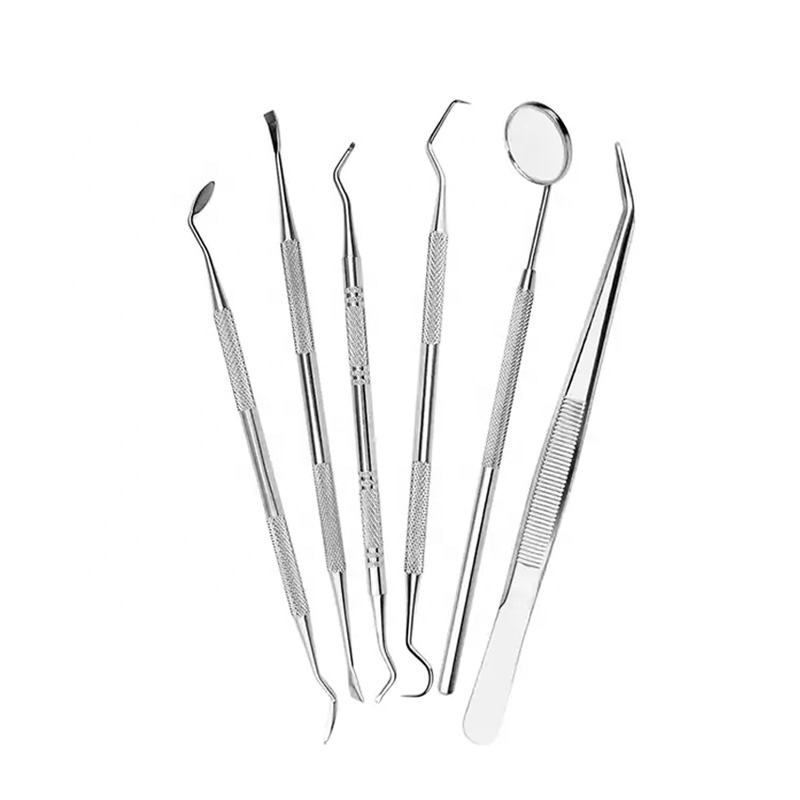
Meeting international market demands requires dental equipment manufacturers to think far beyond product design alone. Regulatory alignment, technical customization, after-sales support, and continuous innovation all play essential roles. Understanding exactly how manufacturers can rise to these global challenges is critical for buyers, distributors, and industry professionals who rely on dental equipment manufacturersto deliver reliable clinical outcomes worldwide.
One of the most significant challenges for dental equipment manufacturers entering international markets is regulatory compliance. Each major market applies its own set of standards. The United States requires FDA clearance for most dental equipment manufacturerssold domestically. The European Union mandates CE marking under the Medical Device Regulation framework. Other regions, including Brazil, Japan, and Australia, have their own distinct approval processes. Manufacturers who want to sell dental equipment globally must invest in multi-region certification strategies from the very beginning of product development.
For dental equipment to receive approval in multiple markets simultaneously, manufacturers often design products with modular configurations that can be adjusted to meet varying electrical, safety, and performance standards. This approach reduces time-to-market and minimizes the cost of separate product lines for each region. Robust documentation, clinical testing records, and quality management systems such as ISO 13485 are foundational requirements that support successful dental equipment manufacturerscertification across most regulatory frameworks worldwide.
Establishing and maintaining certified quality management systems gives manufacturers a powerful competitive edge in international bidding and procurement processes. Hospitals, government health agencies, and group purchasing organizations routinely require documented evidence of quality compliance before approving dental equipment manufacturerssuppliers. By aligning manufacturing processes with internationally recognized standards, dental equipment producers signal reliability and reduce the perceived risk for buyers operating in unfamiliar markets.
International markets do not all require the same dental equipment configurations. Voltage requirements, plug standards, software language options, and even ergonomic preferences vary considerably between regions. A dental equipment manufacturer serving both European and Southeast Asian markets may need to provide different power supply specifications, localized user interfaces, and region-specific accessory kits. Addressing these differences proactively demonstrates market intelligence and builds stronger long-term distributor relationships.
Beyond electrical compatibility, dental equipment used in emerging markets may need to be designed for environments with less stable power infrastructure or limited technical servicing availability. Manufacturers can respond by offering dental equipment with built-in voltage protection, modular components that are easy to replace locally, and simplified maintenance protocols that do not require specialized tools. These design choices make dental equipment significantly more attractive in price-sensitive and infrastructure-limited markets.
As dental equipment markets become more competitive globally, innovation is no longer optional — it is the primary differentiator. Products such as brushless implant motors with touch screen controls, integrated surgical systems, and compact all-in-one dental equipment units are gaining strong traction across international markets. Dental equipment that combines precision, ease of use, and connectivity features appeals to modern clinics seeking efficiency and clinical accuracy. Manufacturers who invest consistently in research and development position dental equipment more effectively against both established global brands and emerging regional competitors.
Digital integration is another area where dental equipment manufacturers can distinguish themselves. Smart dental equipment with data logging, remote diagnostics, and software update capabilities allows clinics to maximize uptime and reduce service costs. These intelligent features are particularly valued in markets where qualified dental equipment technicians are scarce or costly. Providing dental equipment that self-diagnoses and guides operators through troubleshooting steps addresses a real and growing pain point for international buyers.
Even the most technically advanced dental equipment will struggle to gain market share without effective distribution and local support infrastructure. Manufacturers must identify and qualify regional distributors who understand both the dental equipment landscape and the specific market dynamics of their territories. Effective distributor partnerships enable dental equipment to reach clinics, dental schools, and procurement offices that manufacturers cannot access directly from their home country. A well-supported distributor network also accelerates the process of obtaining local regulatory approvals, since distributors often have established relationships with national health authorities.
Training is an equally important element of international dental equipment distribution. When distributors and end-users receive thorough training on dental equipment installation, operation, and maintenance, the overall experience improves significantly. Positive user experiences generate repeat purchases and referrals, which are among the most cost-effective growth drivers available to dental equipment manufacturers operating in competitive global markets.
Dental equipment is a long-term investment for clinics and hospitals. Buyers in every market evaluate the availability and responsiveness of after-sales service before committing to a dental equipment purchase. Manufacturers who offer clear warranty terms, accessible spare parts, online technical support, and on-site service options position dental equipment as a lower-risk procurement decision. In markets where dental equipment downtime directly disrupts patient revenue, strong after-sales assurance is often the deciding factor between competing suppliers.
Most dental equipment manufacturers targeting global markets need certifications such as FDA clearance for the US, CE marking for Europe, and ISO 13485 for quality management. Additional local approvals are required depending on the target market, and dental equipment designed with compliance flexibility built in tends to move through these processes faster.
Manufacturers address regional technical differences by designing dental equipment with adjustable power configurations, multilingual interfaces, and modular components. This approach allows dental equipment to be adapted efficiently for different markets without requiring entirely separate product lines, reducing both production costs and delivery timelines.
After-sales support is critical because dental equipment downtime affects clinical operations and patient revenue directly. International buyers prioritize dental equipment suppliers who offer responsive service, accessible spare parts, and clear warranty terms. Strong post-sale support reduces perceived purchasing risk and builds the long-term loyalty that sustains dental equipment market growth globally.

 EN
EN