Expanding a dental practice means more than adding chairs or hiring additional staff. It requires a strategic investment in dental equipment that can meet rising patient demand, support a broader range of procedures, and help clinicians deliver consistent, high-quality care. As practices grow, the capabilities of their advanced dental equipment become central to sustaining that growth without sacrificing precision or patient satisfaction.
The connection between advanced dental equipment quality and practice expansion is direct and measurable. When advanced dental equipment is outdated or limited in scope, practices face longer treatment times, narrower service offerings, and higher rates of patient referrals to specialists. Upgrading advanced dental equipment is not simply a technical decision — it is a business and clinical strategy that shapes the long-term trajectory of a growing practice.
One of the most immediate benefits of investing in advanced dental equipment is the reduction in per-patient treatment time. Modern dental equipment is engineered for precision, speed, and minimal patient discomfort. Brushless motor systems, for example, deliver consistent torque with reduced heat generation, which shortens procedure durations and improves recovery outcomes. When dental equipment performs reliably at every step, clinicians spend less time adjusting workflows and more time completing treatments effectively.
Chair turnover is a critical metric for expanding practices. advanced dental equipment that streamlines procedure sequencing — such as integrated surgical units with touch-screen controls — allows clinicians to transition between steps without manual reconfiguration. This directly supports higher daily patient volumes while maintaining safety and clinical accuracy. Better dental equipment means each operatory contributes more to overall practice productivity.
Expanding practices increasingly aim to offer comprehensive care internally rather than referring patients out. This requires advanced dental equipment capable of supporting multiple disciplines, including implantology, periodontics, and oral surgery. When a single practice has the dental equipment to handle complex procedures, patient retention improves and revenue per patient increases. Advanced dental equipment allows growing clinics to become full-service providers rather than referral-dependent facilities.
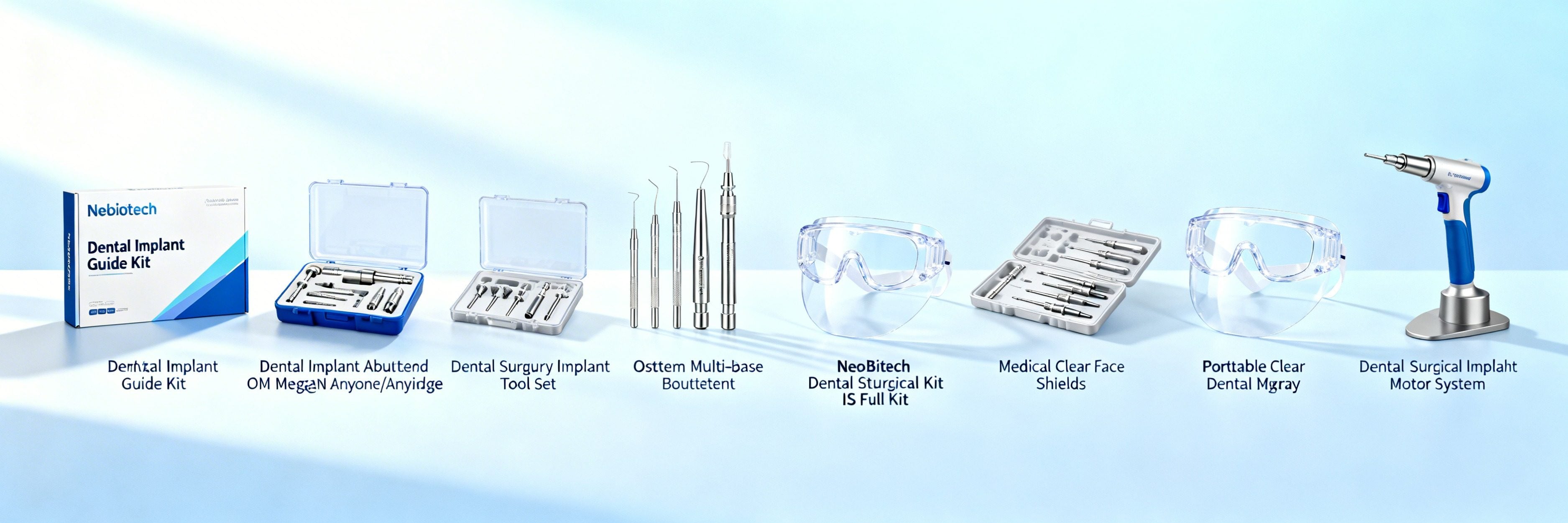
Patient outcomes are directly tied to the quality of advanced dental equipment used during treatment. High-precision dental equipment reduces the margin of error in surgical and restorative procedures. Implant motor systems with programmable torque settings, for instance, allow surgeons to apply exact force during osteotomy and implant placement. This level of control, built into modern advanced dental equipment, minimizes surgical trauma and accelerates osseointegration — which means faster healing and higher implant success rates for patients.
Reliable dental equipment also reduces the risk of intraoperative complications. When clinicians trust their dental equipment to perform predictably, they can focus entirely on patient anatomy and procedural technique. This confidence translates into better decision-making and fewer interruptions during complex treatments. The overall reliability of advanced dental equipment used in a practice becomes a defining factor in its clinical reputation.
Modern dental equipment is increasingly designed with the patient experience in mind. Quieter motors, smoother handpiece operation, and ergonomic treatment unit layouts all contribute to a calmer clinical environment. When patients associate the advanced dental equipment in a practice with comfort and professionalism, they are more likely to follow through with treatment plans and recommend the clinic to others. Dental equipment that reduces procedural anxiety supports better case acceptance and long-term patient loyalty.
Touch-screen interfaces on advanced dental equipment also improve communication between practitioners and patients. Clinicians can visually demonstrate procedure steps using integrated display systems, which is especially useful when explaining implant placement or surgical protocols. This educational function embedded in advanced dental equipment adds a layer of transparency that patients appreciate.
Not all dental equipment offers the same scalability. When investing in advanced dental equipment for an expanding practice, decision-makers should evaluate modular designs, software upgradability, and compatibility with future add-ons. Dental equipment that supports firmware updates or expandable handpiece libraries allows a practice to extend the usable life of its core systems without full replacement. This approach delivers stronger long-term return on investment for growing clinics.
Scalable dental equipment also supports staff training continuity. When the core dental equipment platform remains consistent across multiple operatories, clinicians can move fluidly between treatment rooms without relearning controls. This operational consistency is a major advantage for practices opening additional locations or hiring new associates. Dental equipment standardization reduces onboarding friction and supports clinical consistency at scale.
An often overlooked aspect of dental equipment investment is the cost of downtime. When dental equipment fails during a busy clinical day, it disrupts scheduling, delays patient care, and erodes staff confidence. Selecting dental equipment from manufacturers that provide strong after-sales support, readily available spare parts, and predictive maintenance programs significantly reduces operational risk. High-uptime dental equipment protects both revenue and clinical reputation in a growing practice environment.
Total cost of ownership for dental equipment should factor in energy efficiency, consumable compatibility, and service interval requirements. Modern dental equipment is typically engineered for lower maintenance cycles and higher operational efficiency compared to legacy systems. This makes advanced dental equipment a cost-effective choice over a five-to-ten-year horizon, particularly for practices committed to sustainable, scalable growth.
For expanding practices, the most impactful dental equipment includes implant motor systems, surgical units with integrated controls, digital imaging tools, and multi-function handpiece stations. These categories of dental equipment support the broadest range of procedures and contribute most directly to increased patient capacity and service diversity.
Dental equipment quality directly influences the patient experience through procedure comfort, treatment speed, and clinical outcomes. Practices using advanced dental equipment tend to report higher patient satisfaction scores and stronger word-of-mouth referrals. When dental equipment performs reliably, patients feel confident in the care they receive and are more likely to return for ongoing treatment.
A growing practice should conduct a formal dental equipment review at least once every two years, or whenever patient volume increases significantly or new service lines are planned. Regular evaluation ensures that dental equipment capacity aligns with clinical demand, and helps practices identify upgrade opportunities before outdated dental equipment becomes a limiting factor in growth.

 EN
EN