Modern restorative dentistry implants rely on highly engineered implant components to achieve predictable functional and aesthetic outcomes. Every stage of restorative dentistry implants — from surgical placement to final crown delivery — depends on the correct selection of implant components, implant fixtures, dental abutments, and scan bodies.
Clinicians, laboratories, and procurement teams all work closely with implant components because these parts determine treatment efficiency, restoration stability, and long-term patient satisfaction. Among all implant components used in restorative dentistry implants, implant fixtures, dental abutments, and scan bodies are consistently the most frequently selected.
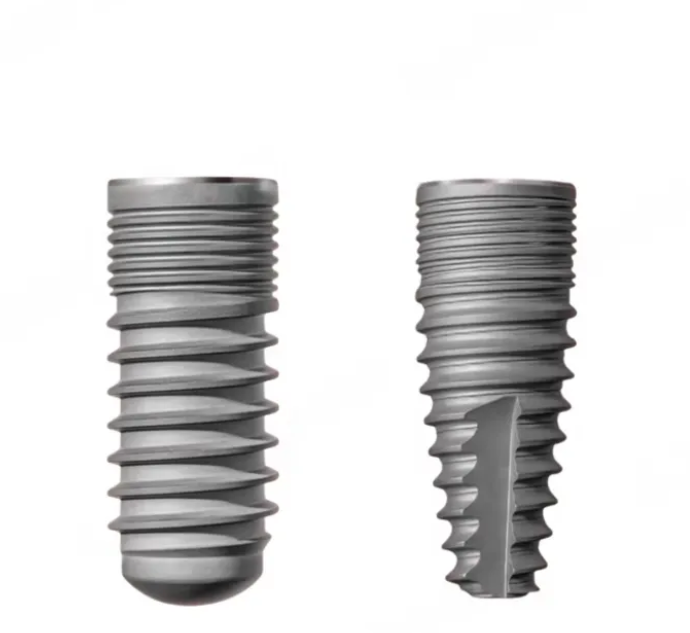
Implant fixtures are the foundation of restorative dentistry implants. These implant components are surgically inserted into the jawbone and function as artificial tooth roots. Without stable implant fixtures, restorative dentistry implants cannot achieve long-term success.
Most implant fixtures are manufactured from titanium because titanium supports osseointegration and resists corrosion. Modern implant fixtures also feature specialized surface treatments that improve bone healing and enhance implant stability.
In restorative dentistry implants, clinicians select implant fixtures according to bone volume, bone density, and bite force requirements. Narrow implant fixtures are often used in limited spaces, while wider implant fixtures provide better support in molar regions.
The geometry of implant fixtures also influences other implant components. Internal connections, conical designs, and Morse taper systems all affect how dental abutments and scan bodies interact with implant fixtures.
Tapered implant fixtures are common in restorative dentistry implants because they improve primary stability in soft bone. Straight implant fixtures are frequently used in sites with dense bone and sufficient space.
The choice between tapered and straight implant fixtures directly affects restorative workflows. Dental abutments and scan bodies must match the implant fixtures precisely to ensure proper prosthetic fit.
Because implant fixtures are central to all restorative dentistry implants, they remain one of the most important implant components in clinical practice.
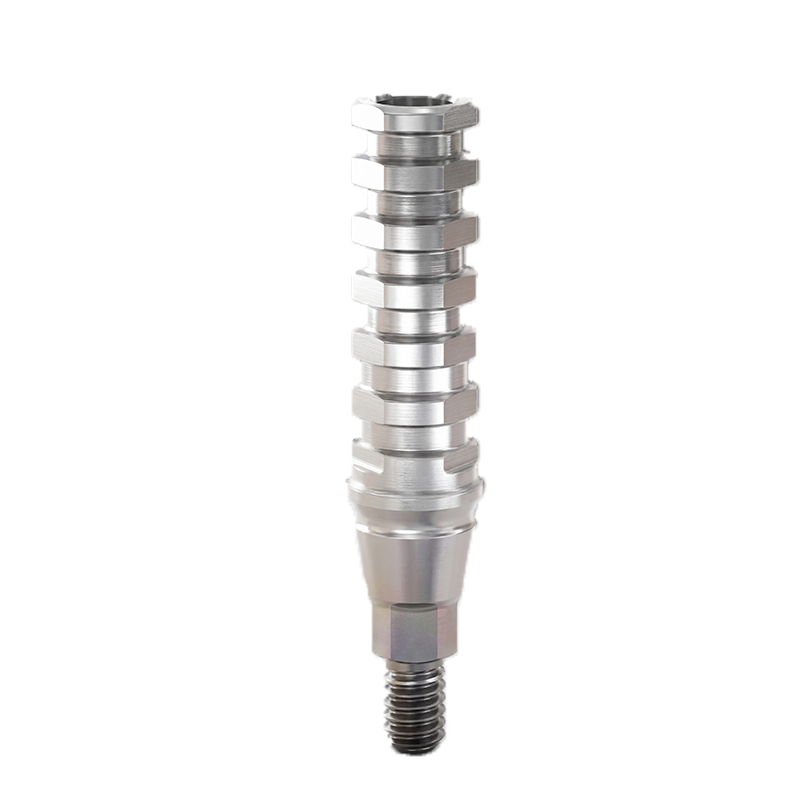
Dental abutments are among the most widely used implant components in restorative dentistry implants. Dental abutments connect implant fixtures to crowns, bridges, or overdentures.
Every implant-supported restoration requires dental abutments. These implant components transmit bite force, shape soft tissue contours, and support the final prosthesis.
Titanium dental abutments remain the most common option because they combine strength, durability, and digital workflow compatibility. Zirconia dental abutments are increasingly used in anterior restorative dentistry implants where aesthetics are critical.
Custom dental abutments are now widely used due to digital dentistry. CAD/CAM systems allow clinicians to design personalized dental abutments that improve emergence profiles and optimize crown positioning.
Straight dental abutments are typically used when implant fixtures are ideally positioned. These implant components simplify restorative procedures and reduce chairtime.
Angled dental abutments are used when implant fixtures require correction for non-ideal angulation. In restorative dentistry implants, angled dental abutments help clinicians maintain proper screw access and improve prosthetic aesthetics.
Multi-unit dental abutments are especially common in full-arch restorative dentistry implants such as All-on-4 and All-on-6 treatments. These implant components connect multiple implant fixtures and support fixed prosthetic frameworks.
Because restorative dentistry implants often involve complex anatomical conditions, dental abutments remain one of the most versatile implant components in daily practice.
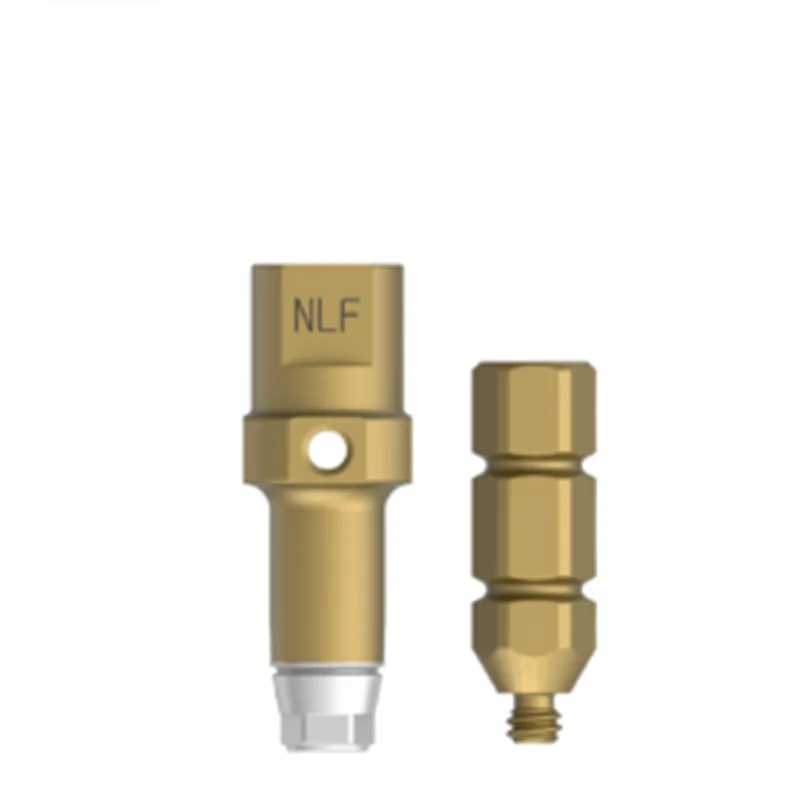
Scan bodies are now essential implant components in digital restorative dentistry implants. These implant components transfer the exact position and angle of implant fixtures into CAD/CAM software.
Digital workflows in restorative dentistry implants depend heavily on scan bodies because inaccurate digital transfer can compromise final restoration fit.
Modern scan bodies are manufactured with highly precise geometric surfaces. Intraoral scanners recognize these surfaces and calculate the three-dimensional orientation of implant fixtures.
Clinics using restorative dentistry implants increasingly prefer scan bodies over traditional impression copings because scan bodies improve workflow efficiency and reduce patient discomfort.
Scan bodies improve communication between clinicians and dental laboratories. These implant components allow technicians to design crowns and dental abutments with greater precision.
Reusable scan bodies are also cost-effective for clinics performing large volumes of restorative dentistry implants. Because digital workflows continue to expand, scan bodies are becoming one of the fastest-growing implant components categories.
Properly designed scan bodies also improve the accuracy of custom dental abutments and final prostheses. In digital restorative dentistry implants, scan bodies are essential for achieving predictable restorative outcomes.
Healing implant components play an important role in restorative dentistry implants by shaping soft tissue during the healing phase.
Healing abutments are implant components placed on implant fixtures after surgery. These healing implant components guide gum tissue formation and prepare the site for final dental abutments and crowns.
Different healing implant components are selected according to tissue thickness and emergence profile requirements. Wide healing implant components are commonly used around molar implant fixtures, while narrower versions support papilla formation in anterior restorative dentistry implants.
Provisional restorations are also important implant components. Temporary crowns and temporary dental abutments allow patients to maintain aesthetics and function while tissues heal.
In restorative dentistry implants, provisional implant components help clinicians evaluate phonetics, bite force, and tissue contours before finalizing the definitive restoration.
System compatibility is critical in restorative dentistry implants. Implant components from different manufacturers may appear similar, but differences in connection geometry can cause complications.
Dental abutments, implant fixtures, and scan bodies must match perfectly to avoid mechanical instability or bacterial leakage.
Clinicians performing restorative dentistry implants should always confirm compatibility among implant components before treatment begins. Properly matched implant fixtures, dental abutments, and scan bodies improve long-term success and reduce restorative complications.
Digital dentistry has transformed restorative dentistry implants. Today, implant components are designed specifically for digital workflows involving intraoral scanning, guided surgery, and CAD/CAM restoration.
Scan bodies are central to these workflows because they transfer digital implant position data accurately. Dental abutments can then be virtually designed and milled with exceptional precision.
Digital restorative dentistry implants also rely on implant fixtures with consistent manufacturing tolerances. Precise implant fixtures allow digital surgical planning and improve prosthetic accuracy.
As digital technology continues to expand, implant components such as scan bodies and custom dental abutments will become even more important in restorative dentistry implants.
The most common implant components in restorative dentistry implants are implant fixtures, dental abutments, scan bodies, healing abutments, retention screws, and provisional restorations.
Dental abutments connect implant fixtures to crowns or bridges. These implant components support the prosthesis, transfer bite force, and shape soft tissue contours.
Scan bodies improve restorative dentistry implants by transferring accurate digital information about implant fixtures into CAD/CAM software, allowing precise prosthetic fabrication.
Yes. Implant fixtures are designed with unique connection geometries. Dental abutments and scan bodies must match the implant fixtures precisely to ensure compatibility.
Implant components are the foundation of modern restorative dentistry implants. Among all implant components, implant fixtures, dental abutments, and scan bodies are the most frequently used because they directly influence surgical accuracy, prosthetic fit, workflow efficiency, and long-term stability.
As restorative dentistry implants continue to evolve, digital workflows and advanced implant components will play an even larger role in improving clinical outcomes. Clinics that invest in high-quality implant fixtures, accurate scan bodies, and well-designed dental abutments are better positioned to deliver efficient, predictable, and aesthetically successful restorative dentistry implants.

 EN
EN