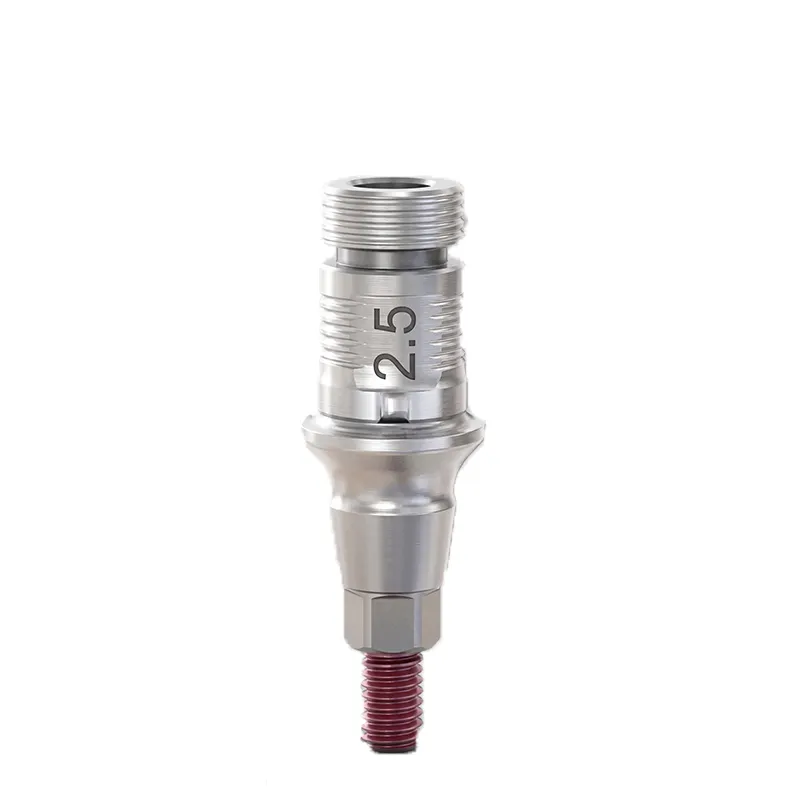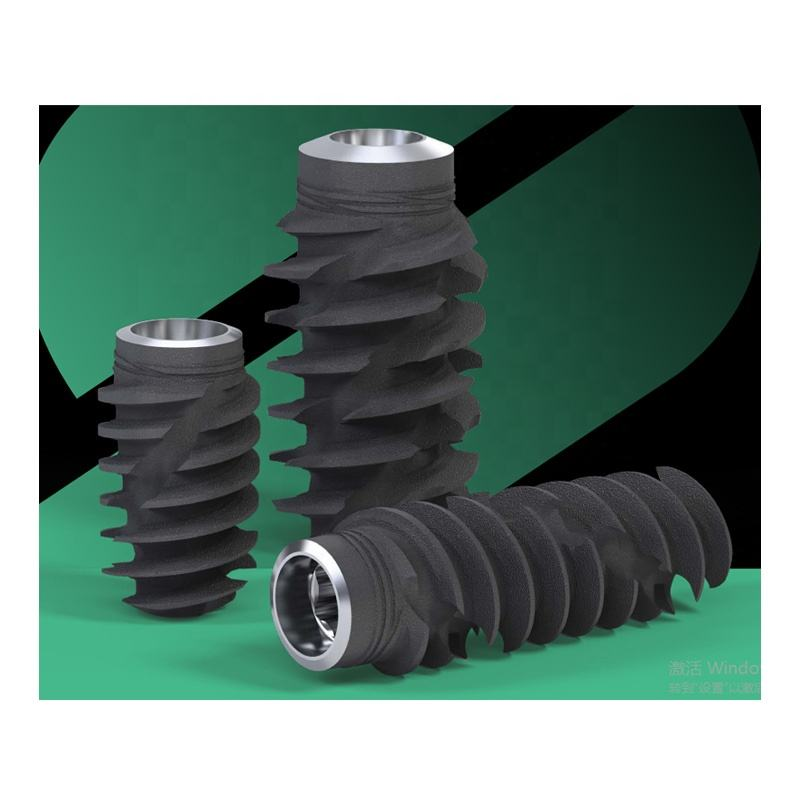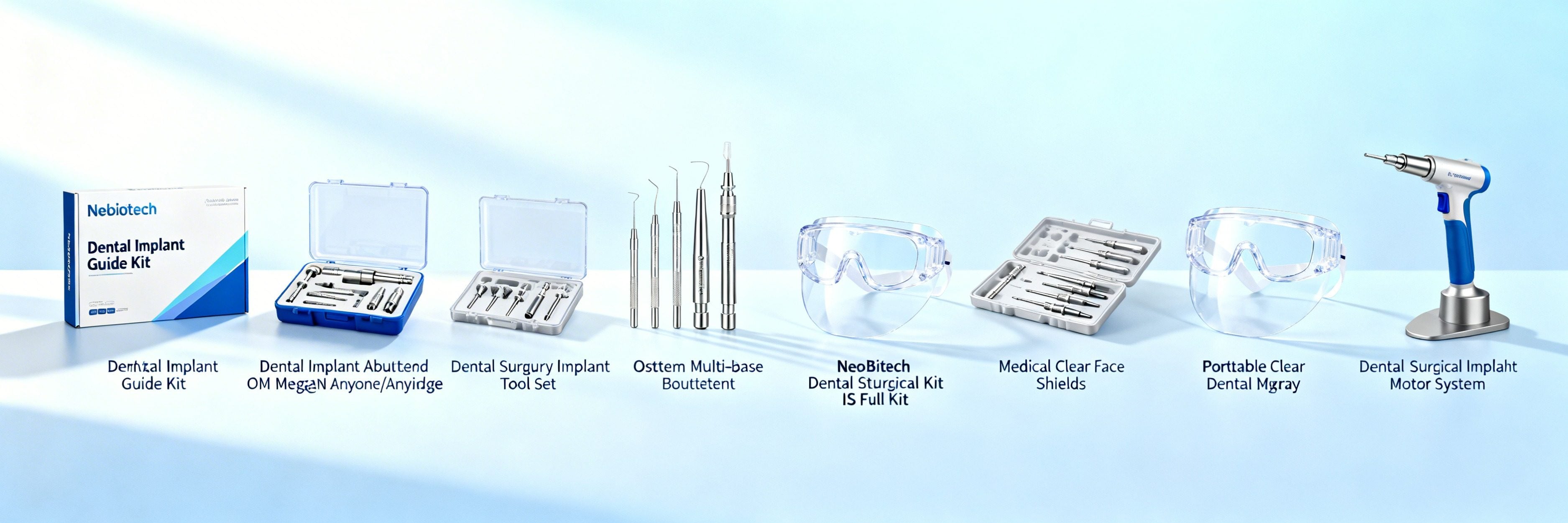
Modern implant dentistry depends heavily on the quality of implant components. Every stage of treatment, from surgery to final restoration, is influenced by implant components, dental implant efficiency, implant fixture precision, implant connection geometry, and abutment design. Clinics that use advanced implant components benefit from faster workflows, fewer complications, shorter chairtime, and more predictable outcomes.
Well-designed implant components are not only mechanical parts. They are the foundation of dental implant efficiency because they determine surgical accuracy, restorative predictability, and long-term stability. Understanding how implant components improve treatment efficiency helps clinics choose systems that reduce cost and improve patient satisfaction.
One of the most important contributors to dental implant efficiency is implant fixture precision. Implant fixture precision refers to how accurately the implant fixture is manufactured and how consistently it fits into the prepared osteotomy.
High-quality implant components with superior implant fixture precision reduce surgical complications and improve workflow speed. When implant fixture precision is consistent, clinicians spend less time adjusting implant position during surgery. This directly improves dental implant efficiency in both single-tooth and full-arch cases.
Implant components with advanced thread design also improve implant fixture precision. Optimized thread pitch and depth allow faster insertion and stronger primary stability. Better primary stability supports immediate loading protocols, which significantly improve dental implant efficiency.
Another benefit of implant fixture precision is reduced micromovement at the implant-abutment interface. Stable implant components help support predictable osseointegration and reduce the risk of early implant failure. As a result, clinicians can move confidently into the restorative phase with fewer delays.
The surface treatment of implant components plays a major role in dental implant efficiency. Modern implant components often include roughened or hydrophilic surfaces that accelerate bone healing.
When implant components promote faster osseointegration, treatment timelines become shorter. Faster healing means fewer waiting periods before restoration, which improves dental implant efficiency for both patients and clinics.
Surface technology also works together with implant fixture precision. Implant components that combine stable fixture geometry with advanced surface treatment create more reliable outcomes, even in challenging bone conditions.
Clinicians treating patients with reduced healing ability often rely on implant components designed for rapid integration. In these cases, dental implant efficiency depends heavily on both implant fixture precision and biologically active surfaces.
Implant connection geometry is one of the most important factors in modern implant systems. Implant connection geometry determines how the fixture and abutment connect, seal, and distribute force.
Internal implant connection geometry, especially conical or morse-taper designs, improves dental implant efficiency by creating a stronger and more stable connection. Compared with older external connections, modern implant connection geometry reduces screw loosening and bacterial leakage.
Well-designed implant components with accurate implant connection geometry also improve soft tissue health. Reduced micro-gaps lower the risk of inflammation and peri-implant complications. Fewer biological complications mean fewer corrective appointments and greater dental implant efficiency.
Implant connection geometry is also critical for laboratory workflows. Accurate implant connection geometry allows digital scans and impressions to transfer precise positional information. Dental technicians can then fabricate restorations that fit correctly on the first attempt.
This level of predictability is essential for dental implant efficiency. Implant components with reliable implant connection geometry reduce remakes, minimize chairside adjustments, and simplify communication between clinicians and laboratories.
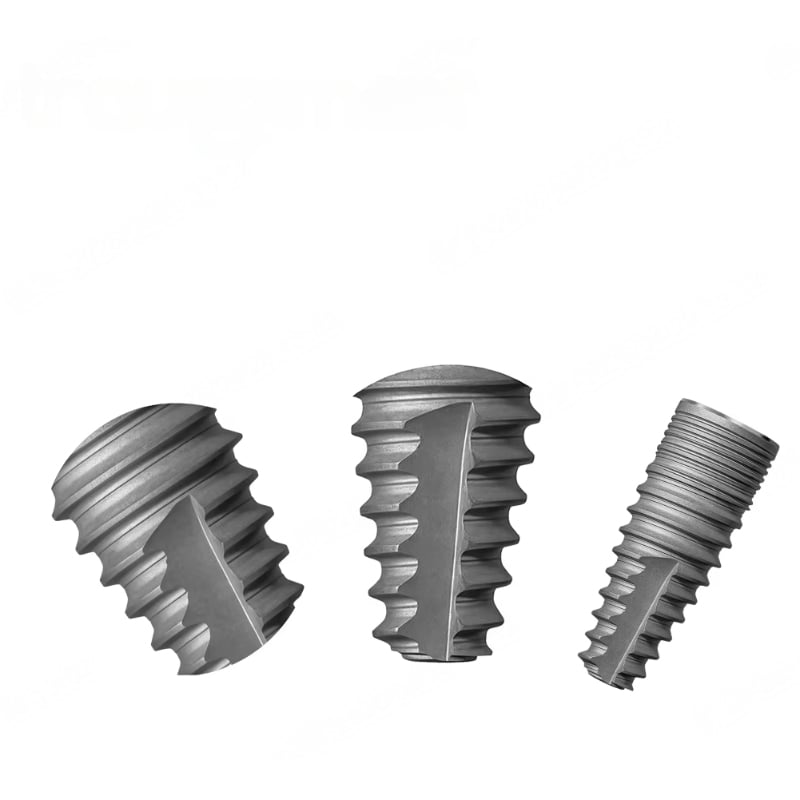
Abutment design has a direct influence on restorative workflow speed and treatment predictability. Modern implant components offer a wide range of abutment design options to accommodate different anatomical and prosthetic situations.
Pre-angled abutment design solutions allow clinicians to correct implant angulation without requiring complex custom restorations. This reduces treatment time and improves dental implant efficiency.
Another important aspect of abutment design is tissue management. Implant components with anatomically optimized abutment design help shape healthy gingival contours around the restoration. Better tissue adaptation improves aesthetics and reduces the need for additional corrective procedures.
Digital workflows also rely heavily on accurate abutment design. Scan bodies and impression copings must transfer exact information to the laboratory or CAD/CAM software. Implant components with precise abutment design reduce occlusal adjustment time and simplify crown delivery.
Temporary restorations are another area where abutment design improves dental implant efficiency. Implant components that include coordinated healing abutments and provisional abutments create smoother transitions between surgical healing and final restoration.
System compatibility is one of the most overlooked contributors to dental implant efficiency. Implant components that are designed and validated to work together create more predictable treatment workflows.
When clinics mix implant components from different systems without verified compatibility, efficiency problems often occur. Small dimensional inconsistencies can affect implant connection geometry, reduce implant fixture precision, and compromise abutment design stability.
Compatible implant components eliminate uncertainty during surgery and restoration. Clinicians can complete procedures faster because they trust the fit and performance of every component.
System-level compatibility also improves inventory management. Clinics that standardize implant components reduce stock complexity and avoid delays caused by missing parts. This operational simplification contributes directly to dental implant efficiency.
Modern digital dentistry depends on high-quality implant components. Intraoral scanning, guided surgery, and CAD/CAM restoration workflows all require accurate implant fixture precision and stable implant connection geometry.
Digital workflows improve dental implant efficiency only when implant components are manufactured to consistent tolerances. Scan bodies and digital libraries must match perfectly with the physical implant system.
When implant components are digitally optimized, clinicians can complete implant planning faster and deliver restorations with fewer adjustments. Accurate implant connection geometry ensures that restorations seat correctly and maintain long-term stability.
Guided surgery systems also depend on implant fixture precision. If the actual implant differs from the digital planning model, surgical accuracy decreases. Implant components with reliable implant fixture precision help clinicians maintain consistency between virtual planning and clinical reality.
Reliable implant components reduce revision rates and improve long-term dental implant efficiency. Every revision procedure increases cost, consumes chairtime, and affects patient satisfaction.
High-quality implant components maintain stable implant connection geometry under functional loading. Strong implant connection geometry prevents screw loosening and minimizes mechanical complications.
Durable abutment design is equally important. Implant components with stable abutment design resist wear, maintain tissue support, and preserve restorative accuracy over time.
Material selection also influences implant fixture precision and long-term reliability. Titanium implant components with verified manufacturing standards are more resistant to corrosion and mechanical stress.
Clinics that prioritize implant components with proven implant fixture precision, optimized implant connection geometry, and advanced abutment design often achieve higher treatment success rates and better dental implant efficiency.
The implant fixture, implant connection geometry, and abutment design have the greatest influence on dental implant efficiency. Implant fixture precision affects surgical accuracy, implant connection geometry affects restorative stability, and abutment design affects chairtime and aesthetics.
Implant fixture precision improves surgical predictability, primary stability, and restorative accuracy. High implant fixture precision reduces intraoperative adjustments and improves overall dental implant efficiency.
Implant connection geometry improves workflows by creating stable mechanical connections, reducing bacterial leakage, and improving restorative accuracy. Reliable implant connection geometry reduces complications and shortens treatment time.
Abutment design affects tissue shaping, restorative fit, and chairtime efficiency. Well-designed implant components with advanced abutment design improve aesthetics and simplify restorative procedures.
Implant components are central to modern implant dentistry because they directly influence dental implant efficiency at every stage of treatment. Through improved implant fixture precision, advanced implant connection geometry, and optimized abutment design, modern implant components help clinicians reduce treatment time, improve workflow predictability, and deliver more reliable outcomes.
Clinics that invest in high-quality implant components benefit from faster surgery, smoother restorative procedures, fewer revisions, and better patient satisfaction. As digital dentistry continues

 EN
EN