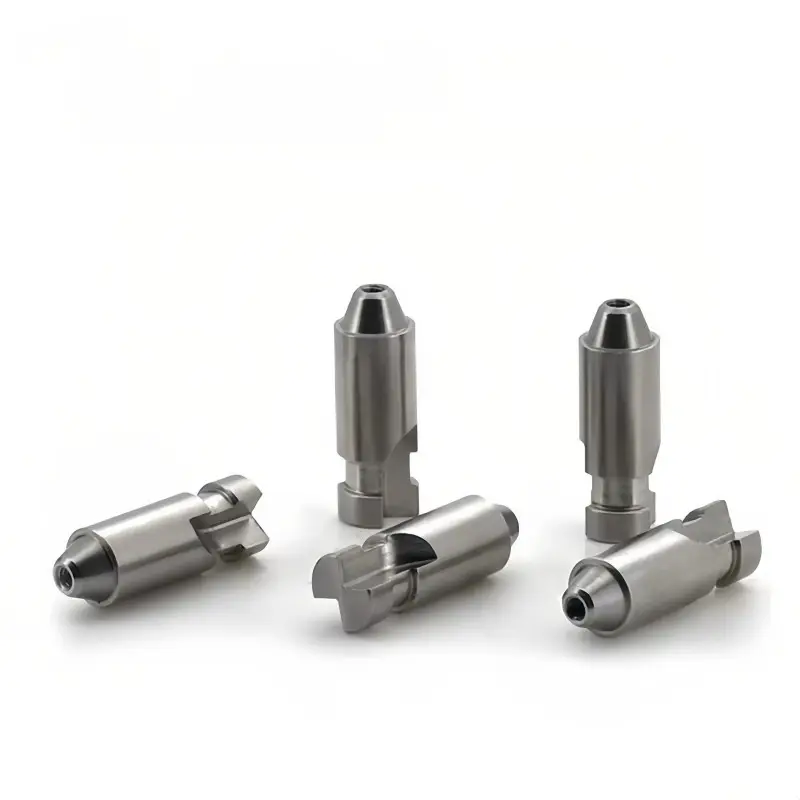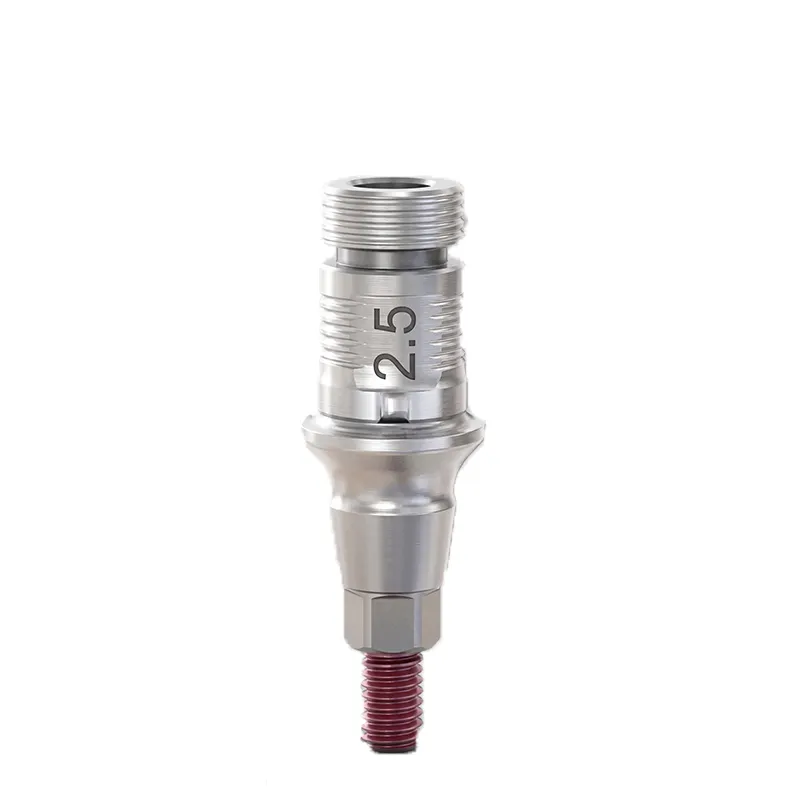
Modern implant dentistry depends heavily on premium implant components to achieve predictable long-term outcomes. When restorations fail early, clinicians often discover that implant component quality played a major role in the complication. Premium implant components are designed to improve dental implant longevity through better materials, tighter tolerances, and improved biological compatibility.
From titanium alloy implants to zirconia abutments, every part of an implant system influences stability, tissue health, and restoration durability. Understanding how premium implant components affect dental implant longevity helps clinicians and procurement teams make safer and more cost-effective decisions.
Titanium alloy implants are the foundation of most implant systems. Premium implant components use high-grade titanium alloy implants because they provide superior strength, corrosion resistance, and osseointegration performance.
Titanium alloy implants manufactured under strict quality standards are more resistant to fracture under long-term occlusal loading. This is especially important in posterior restorations and full-arch cases where bite forces are high.
Premium implant components made from certified titanium alloy implants also reduce the risk of material fatigue. Inferior alloys may contain impurities that weaken structural integrity and compromise dental implant longevity.
Surface treatment is another important factor. Titanium alloy implants with sandblasted or acid-etched surfaces improve bone-to-implant contact and accelerate osseointegration. Faster and stronger integration directly improves dental implant longevity.
Clinicians who prioritize implant component quality often choose titanium alloy implants that meet ISO or ASTM certification standards. These premium implant components consistently demonstrate lower complication rates and better long-term performance.
Zirconia abutments are increasingly common in premium implant components systems. These zirconia abutments are widely used in anterior restorations because they provide superior aesthetics and excellent soft tissue response.
Unlike metal abutments, zirconia abutments prevent gray discoloration beneath thin gingival tissue. Patients seeking highly aesthetic outcomes often benefit from zirconia abutments combined with premium implant components.
However, zirconia abutments require extremely high implant component quality. Small manufacturing defects or internal porosity can weaken zirconia abutments and reduce dental implant longevity.
Premium implant components manufacturers use advanced CAD/CAM systems and high-density zirconia processing to improve the strength and reliability of zirconia abutments. High-quality zirconia abutments maintain stability under cyclic loading and resist fracture more effectively than lower-grade alternatives.
The choice between titanium alloy implants and zirconia abutments depends on aesthetic requirements, occlusal force, and tissue anatomy. Premium implant components allow clinicians to optimize both function and appearance without sacrificing dental implant longevity.
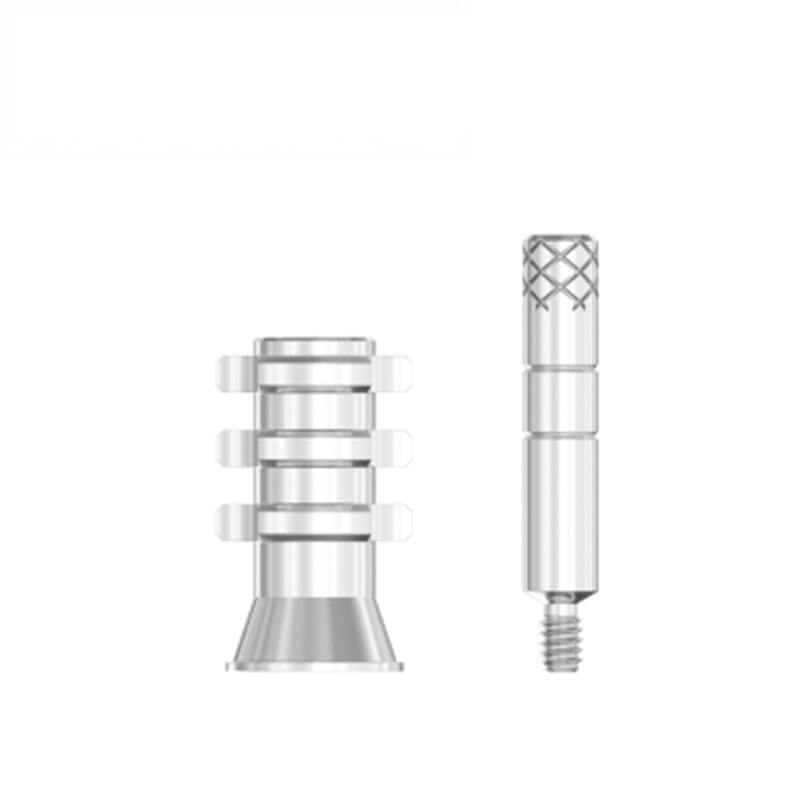
One of the most important contributors to dental implant longevity is implant component quality at the implant-abutment connection.
Poorly manufactured implant components create microgaps between the fixture and abutment. These microgaps allow bacterial infiltration, increasing the risk of peri-implant inflammation and bone loss.
Premium implant components are produced with extremely precise machining tolerances. Better implant component quality minimizes microgap size and improves mechanical stability.
Accurate fit also improves preload retention in retaining screws. When premium implant components seat correctly, the connection maintains stability under functional loading, reducing screw loosening and mechanical complications.
Clinicians frequently report better dental implant longevity when using premium implant components because precise fit reduces stress concentration and improves force distribution.
The oral environment is chemically aggressive, making corrosion resistance essential for dental implant longevity. Premium implant components manufactured from certified titanium alloy implants demonstrate stronger corrosion resistance than low-quality alternatives.
Titanium alloy implants naturally form a protective oxide layer that shields the material from chemical degradation. Premium implant components maintain this protective surface more effectively because implant component quality standards reduce contamination during manufacturing.
Corrosion can release metallic ions into surrounding tissues, causing inflammation and compromising dental implant longevity. High implant component quality reduces this risk significantly.
When zirconia abutments are combined with titanium alloy implants, premium implant components are carefully engineered to minimize galvanic reactions between materials. This level of engineering protects both the restoration and surrounding tissue over time.
Dental implant longevity depends heavily on how forces are distributed through the implant system. Premium implant components are designed with advanced connection geometries that improve load management.
Conical and Morse taper designs are commonly used in premium implant components because they distribute stress more evenly than older flat-seat connections.
Titanium alloy implants with optimized internal connections reduce bending stress at the crestal bone level. This improves implant component quality performance under long-term loading.
Zirconia abutments also benefit from precise connection geometry. Premium implant components help zirconia abutments maintain stable seating and resist fracture during repeated occlusal function.
Finite element studies consistently show that premium implant components reduce stress concentration and improve dental implant longevity compared with lower-quality alternatives.
Biological compatibility is another major factor influencing dental implant longevity. Premium implant components undergo advanced cleaning and passivation processes that improve tissue response.
Contaminated or poorly finished surfaces can trigger chronic inflammation. High implant component quality reduces surface contamination and improves peri-implant tissue health.
Premium implant components with hydrophilic surfaces also enhance early blood clot stabilization and accelerate osseointegration. Improved healing contributes directly to dental implant longevity.
Zirconia abutments are especially valued for their favorable soft tissue response. In premium implant components systems, zirconia abutments support healthier gingival architecture and improved aesthetic stability.
Clinicians who prioritize implant component quality often achieve more stable bone levels and healthier soft tissue outcomes over time.
Certain clinical situations demand premium implant components more than others.
Patients with bruxism, reduced bone density, or immediate loading protocols place higher stress on implant systems. In these cases, titanium alloy implants and zirconia abutments must maintain exceptional mechanical reliability.
Full-arch restorations also require premium implant components because multiple restorations concentrate force onto a limited number of fixtures. High implant component quality is critical for preventing catastrophic failure.
In aesthetic zones, zirconia abutments within premium implant components systems improve appearance while maintaining dental implant longevity.
Although premium implant components cost more initially, the reduction in complications and revision procedures often lowers total treatment cost over time.
Clinicians and procurement teams should evaluate implant component quality using objective criteria rather than marketing claims.
Premium implant components typically include:
These factors help ensure better dental implant longevity and more predictable clinical performance.
Yes. Premium implant components improve dental implant longevity by providing better fit precision, stronger titanium alloy implants, reliable zirconia abutments, and improved biological compatibility.
Titanium alloy implants provide high tensile strength, corrosion resistance, and excellent osseointegration. These features are essential for long-term implant stability.
Zirconia abutments provide superior aesthetics and good tissue response, but they require high implant component quality to maintain fracture resistance and long-term reliability.
Poor implant component quality increases the risk of microgaps, bacterial leakage, corrosion, screw loosening, and mechanical failure, all of which reduce dental implant longevity.
Premium implant components play a critical role in improving dental implant longevity. Through certified titanium alloy implants, precision-engineered zirconia abutments, and superior implant component quality, modern implant systems achieve better mechanical stability, improved tissue health, and lower complication rates.
Clinicians who invest in premium implant components consistently achieve more predictable restorative outcomes and greater long-term patient satisfaction. As implant dentistry continues to evolve, implant component quality will remain one of the most important factors influencing dental implant longevity.

 EN
EN