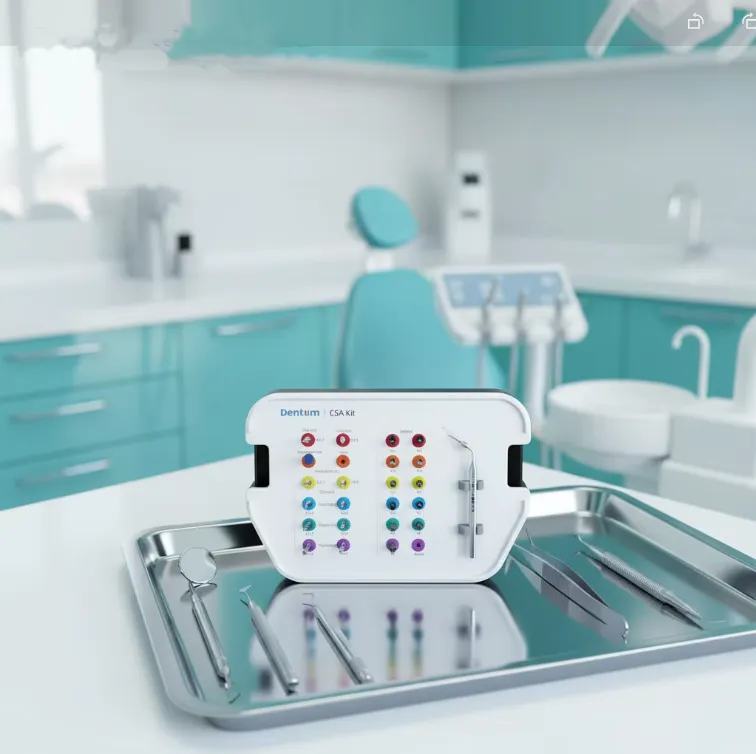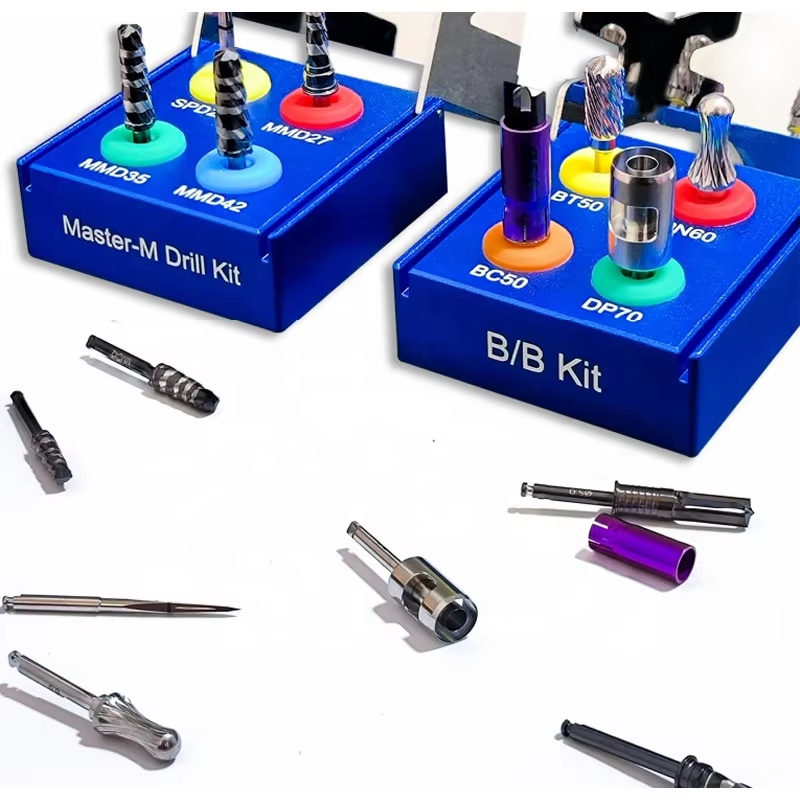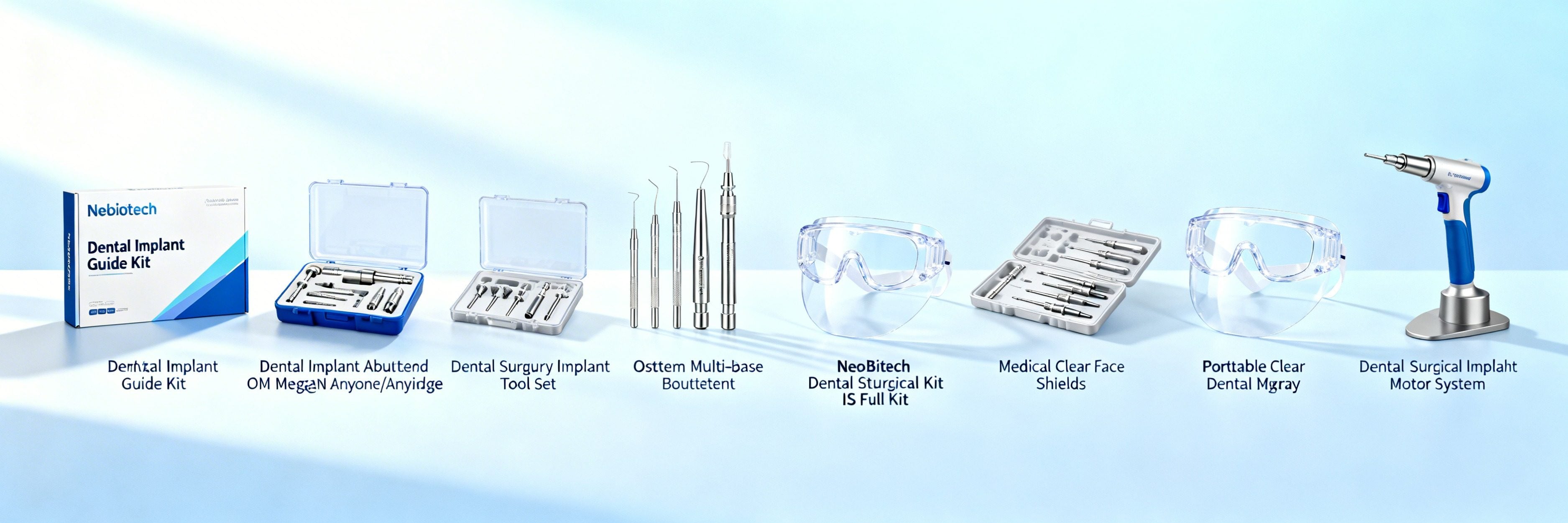
Choosing a high-quality implant surgical kit is one of the most important decisions for dental professionals and procurement teams. The performance of an implant surgical kit directly affects surgical precision, patient safety, workflow efficiency, and long-term treatment success. A professional implant surgical kit is more than a collection of tools—it is a coordinated system designed to support every stage of implant placement.
As implant dentistry continues to grow, clinics need reliable dental implant instruments that meet modern standards for durability, sterilization, and compatibility. Understanding the characteristics of a premium implant surgical kit helps clinicians make informed purchasing decisions and improve clinical outcomes.
The durability and performance of an implant surgical kit begin with material selection. Most premium dental implant instruments are manufactured from medical-grade stainless steel because it provides excellent corrosion resistance, dimensional stability, and long-term reliability.
A high-quality implant surgical kit should clearly specify the use of medical-grade stainless steel in critical components such as drills, drivers, ratchets, and depth gauges. Inferior materials may corrode, lose precision, or degrade after repeated sterilization cycles.
Benefits of medical-grade stainless steel include:
Because implant procedures require exceptional precision, medical-grade stainless steel remains the preferred material for professional dental implant instruments.
The manufacturing quality of dental implant instruments is equally important.
A premium implant surgical kit should feature polished surfaces, precise machining, and smooth edges that resist contamination and simplify cleaning. High-quality medical-grade stainless steel instruments maintain their performance through repeated autoclave cycles while minimizing wear and deformation.
Clinics evaluating an implant surgical kit should examine both material specifications and manufacturing standards before making a purchasing decision.
A professional implant surgical kit should include all essential dental implant instruments required for implant placement.
Typical components include:
A complete implant surgical kit reduces the need for supplementary instruments and helps maintain procedural efficiency.
When reviewing an implant surgical kit, clinicians should compare the included dental implant instruments with their standard treatment protocols to ensure complete coverage.
One of the most critical elements of any implant surgical kit is the drill sequence.
Accurate osteotomy preparation depends on properly designed dental implant instruments that progressively enlarge the implant site while minimizing thermal trauma. Well-manufactured drills improve precision and support successful osseointegration.
High-quality implant surgical kit systems typically include laser-etched depth markings that remain visible even after repeated sterilization cycles. This contributes to surgical accuracy and procedural consistency.
Among all dental implant instruments, the torque wrench plays a particularly important role.
Torque wrench accuracy directly affects implant seating and prosthetic stability. Excessive torque can damage implant components or surrounding bone, while insufficient torque may compromise primary stability.
A premium implant surgical kit should include a torque wrench designed to deliver precise and repeatable torque values according to manufacturer specifications.
Benefits of reliable torque wrench accuracy include:
For this reason, torque wrench accuracy should be one of the first criteria evaluated when selecting an implant surgical kit.
Clinics should verify that the torque wrench included in the implant surgical kit can maintain calibration over time.
Manufacturers that provide testing data or calibration recommendations demonstrate a stronger commitment to torque wrench accuracy and clinical reliability.
Because torque wrench accuracy influences every implant procedure, this feature should never be overlooked during procurement.
The ergonomic design of dental implant instruments has a direct effect on surgeon comfort and precision.
A well-designed implant surgical kit includes instruments with:
These features reduce fatigue and improve control during lengthy procedures.
An ergonomic implant surgical kit also contributes to workflow efficiency by allowing clinicians to handle instruments more comfortably and accurately.
Although ergonomic improvements may appear minor, they often make a significant difference in daily clinical performance.
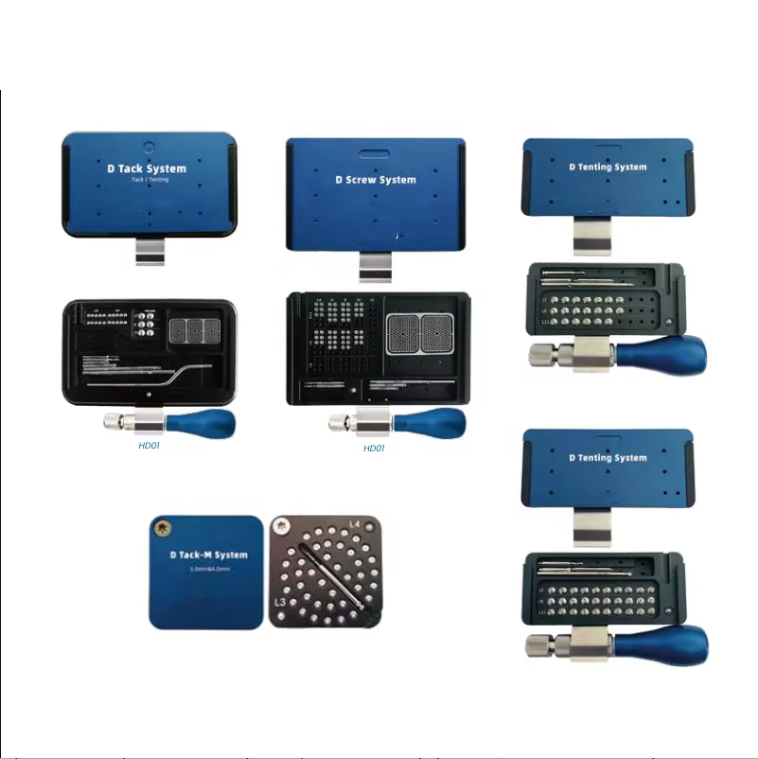
A professional implant surgical kit should include an organized tray system that protects instruments and supports efficient workflows.
Well-designed trays:
The organization of an implant surgical kit directly affects surgical efficiency and instrument longevity.
Because implant procedures demand strict infection control, an implant surgical kit must support effective sterilization.
Most premium systems use medical-grade stainless steel components housed in autoclavable trays designed for repeated sterilization cycles.
This ensures that dental implant instruments remain safe and functional throughout their service life.
Quality certifications provide important assurance when selecting an implant surgical kit.
An ISO 13485 certified dental kit demonstrates that the manufacturer follows internationally recognized quality management standards for medical devices.
Benefits of choosing an ISO 13485 certified dental kit include:
For many procurement teams, selecting an ISO 13485 certified dental kit is an important part of risk management.
Beyond choosing an ISO 13485 certified dental kit, clinics should verify other applicable certifications such as CE marking or FDA compliance where required.
A properly documented implant surgical kit helps support regulatory compliance and simplifies procurement evaluations.
Not every implant surgical kit is compatible with every implant system.
Clinics should verify compatibility for:
Proper compatibility ensures that dental implant instruments function correctly throughout treatment.
A reliable implant surgical kit should provide detailed compatibility documentation for clinicians and procurement teams.
Long-term value depends not only on the initial quality of the implant surgical kit but also on ongoing support.
Clinics should prioritize suppliers that offer:
This reduces ownership costs and extends the useful life of the implant surgical kit.
An ISO 13485 certified dental kit supported by a reliable supplier often provides the best balance between quality, compliance, and long-term value.
Most premium implant surgical kit systems use medical-grade stainless steel because it offers superior corrosion resistance, sterilization compatibility, and long-term durability.
Torque wrench accuracy ensures implants and prosthetic components are tightened according to manufacturer specifications. Accurate torque reduces the risk of implant instability and component failure.
An ISO 13485 certified dental kit is manufactured under an internationally recognized medical device quality management system. This certification demonstrates consistent production standards and regulatory compliance.
Clinics should assess material quality, medical-grade stainless steel specifications, torque wrench accuracy, manufacturing precision, sterilization compatibility, and certification status when evaluating dental implant instruments within an implant surgical kit.

 EN
EN