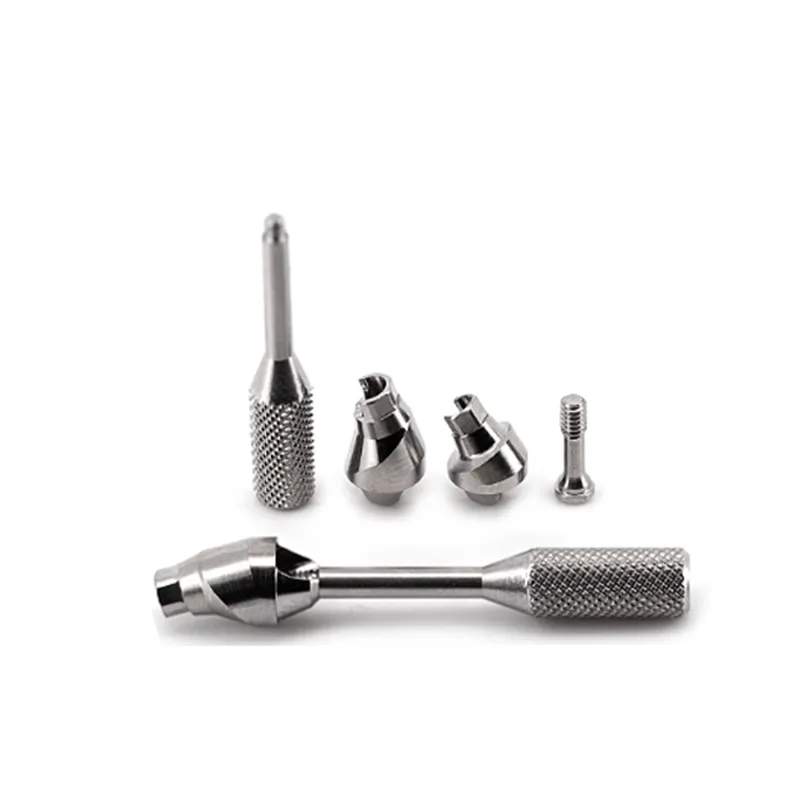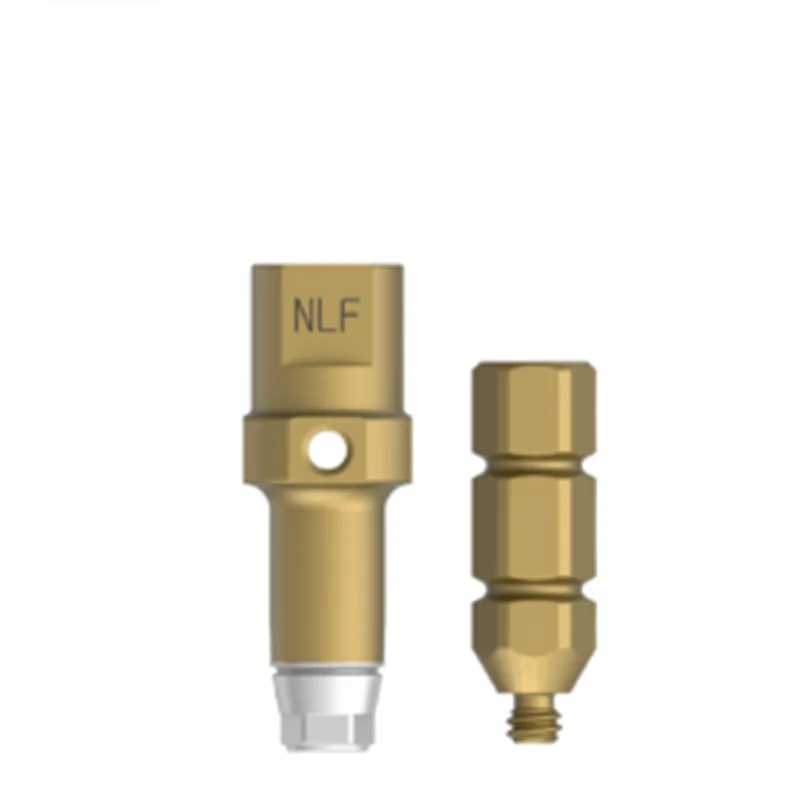
Selecting the correct healing abutment is a critical step in implant restoration. While often viewed as a temporary component, the healing abutment directly influences soft tissue development, gingival contour, and the final restorative outcome. Proper healing abutment selection helps create a natural implant emergence profile, while an inappropriate choice can result in tissue collapse, compromised esthetics, and additional chair time.
Modern implant systems provide multiple options in terms of material, diameter, and height. Understanding how these variables affect tissue healing allows clinicians to make more predictable restorative decisions.
A dental implant healing abutment is placed on the implant fixture either during implant surgery or at second-stage uncovering. Its primary function is to maintain the transmucosal pathway and guide soft tissue healing around the implant platform.
As the tissue heals, it adapts to the shape of the healing abutment. This process establishes the implant emergence profile that will support the final restoration. Without adequate support, soft tissue may collapse over the implant platform, creating challenges during impression taking and crown delivery.
Because tissue architecture is formed during healing, healing abutment selection should be considered part of restorative planning rather than a simple surgical step.
The shape and dimensions of the healing abutment influence how the gingiva matures around the implant. Selecting the correct component from the beginning reduces the need for tissue modification later in treatment.
A properly chosen dental implant healing abutment helps create a stable soft tissue environment and simplifies subsequent restorative procedures.
Titanium remains the most widely used material for a dental implant healing abutment. It offers excellent biocompatibility, high strength, corrosion resistance, and a long clinical track record.
Titanium healing abutments perform well in both anterior and posterior regions and are suitable for the majority of implant cases. Their durability and predictable performance make them the standard option for many clinicians.
The discussion surrounding titanium vs zirconia healing abutment options becomes more important in highly esthetic situations.
Zirconia provides a tooth-colored appearance that can reduce gray shine-through in patients with thin gingival tissue. This advantage is particularly useful in the anterior maxilla, where tissue color significantly affects the final appearance.
When evaluating titanium vs zirconia healing abutment choices, clinicians should consider tissue thickness, implant location, esthetic demands, and restorative goals. Both materials can be successful when used appropriately.
Healing abutment diameter height is one of the most important factors affecting tissue contour.
The diameter should closely correspond to the intended restoration. A component that is too narrow may allow tissue collapse, resulting in a restricted implant emergence profile. A diameter that is too wide can create excessive pressure on surrounding tissue and increase the risk of recession.
In anterior regions, matching the healing abutment diameter to the planned cervical contour of the restoration is particularly important. Posterior restorations also benefit from proper diameter selection because it improves hygiene access and tissue support.
Successful healing abutment selection requires clinicians to visualize the final implant emergence profile before tissue healing begins.
The height component of healing abutment diameter height should match the thickness of the peri-implant tissue.
If the healing abutment is too short, tissue may partially cover the component, making retrieval difficult. If it is too tall, patient discomfort and occlusal interference may occur.
Most implant systems offer multiple healing abutment diameter height options that allow clinicians to adapt to different tissue conditions. A practical approach is to maintain slight supragingival exposure throughout healing to prevent tissue overgrowth and facilitate maintenance.
Proper healing abutment diameter height selection supports a stable implant emergence profile and simplifies restorative procedures.
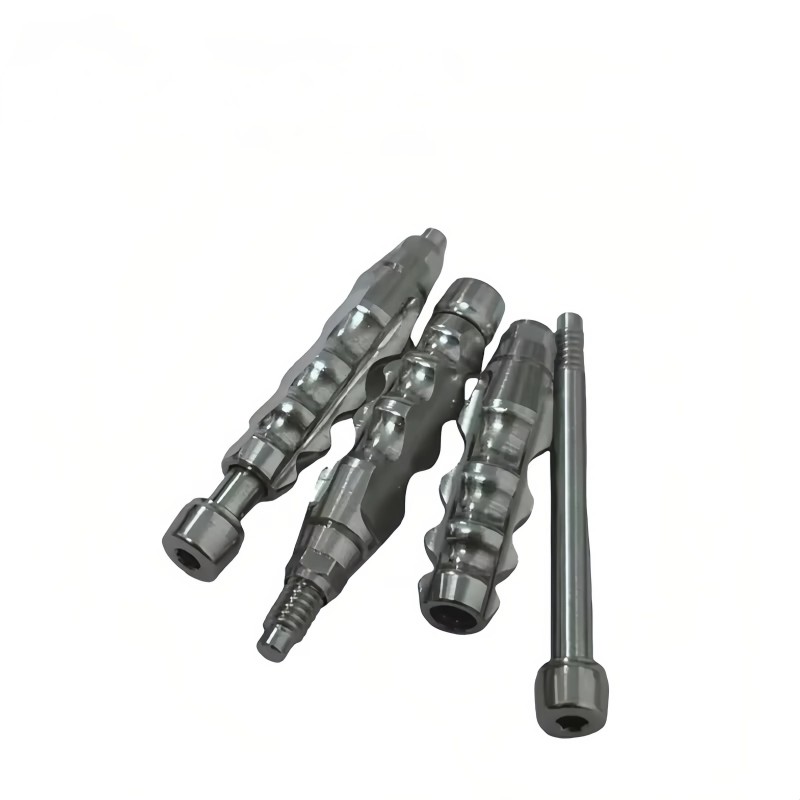
Every dental implant healing abutment must be compatible with the implant connection.
Modern implant systems utilize different connection designs, including internal hex, external hex, conical, Morse taper, and trilobe configurations. Even small differences in geometry may result in instability, bacterial leakage, or restorative complications.
During healing abutment selection, clinicians should verify:
Compatibility should never be assumed based on visual appearance alone.
Treatment protocols can also influence healing abutment selection.
In a two-stage procedure, clinicians have the opportunity to evaluate tissue thickness during second-stage surgery before selecting the healing abutment. This often allows more precise healing abutment diameter height selection.
In a single-stage protocol, the dental implant healing abutment is placed immediately at implant insertion. Because tissue dimensions must be estimated in advance, careful planning becomes more important.
Regardless of the surgical approach, the goal remains the same: establishing a healthy implant emergence profile through proper tissue support.
Anterior restorations place the highest demands on soft tissue management.
Patients are highly sensitive to esthetic outcomes in visible areas. Even minor deficiencies in tissue contour may affect the appearance of the final restoration.
For this reason, healing abutment selection in the anterior zone often focuses on creating a natural implant emergence profile and maintaining gingival symmetry. The choice between titanium vs zirconia healing abutment options may also play a greater role in these cases.
Posterior implant restorations are generally less demanding from an esthetic perspective but require careful consideration of functional factors.
Molar restorations frequently require wider contours, making healing abutment diameter height particularly important. Clinicians should ensure adequate clearance from opposing teeth and avoid accidental loading during healing.
A properly developed implant emergence profile in posterior regions also supports oral hygiene and long-term tissue stability.
Soft tissue thickness remains an important consideration during healing abutment selection.
Patients with thick tissue biotypes generally tolerate a wider range of restorative options. Thin tissue biotypes are more susceptible to recession and color show-through.
For these patients, titanium vs zirconia healing abutment decisions become more significant because zirconia may improve soft tissue appearance. In grafted sites, clinicians may initially choose a narrower component and gradually modify tissue contours as healing progresses.
Not all healing abutments are manufactured to the same standards.
A high-quality dental implant healing abutment should demonstrate precise machining, accurate fit, and reliable connection stability. Poorly manufactured components may create microgaps at the implant-abutment interface, increasing the potential for bacterial accumulation and soft tissue complications.
When evaluating products, clinicians should consider manufacturing tolerances, material quality, and overall consistency.
Reliable suppliers should provide documentation that supports product quality and compatibility.
Important factors include:
Careful healing abutment selection involves not only choosing the correct dimensions but also sourcing components from reputable manufacturers.
A cover screw protects the implant connection during submerged healing and remains beneath the gingiva. A dental implant healing abutment extends through the tissue and actively shapes the gingival contour. Its purpose is to establish the implant emergence profile needed for the final restoration.
In most cases, a dental implant healing abutment remains in place for approximately four to eight weeks. The exact duration depends on the surgical protocol, tissue response, and clinician preference. Soft tissue should appear healthy and stable before impressions or restorative procedures are initiated.
No. A dental implant healing abutment should be considered a single-use component. Reuse may compromise sterility, dimensional accuracy, and mechanical performance. Each patient should receive a new component supplied through a verified manufacturing and distribution process.
Most routine cases can be managed successfully with standard components when proper healing abutment selection and healing abutment diameter height choices are made. Custom solutions may be beneficial in complex esthetic situations where a highly specific implant emergence profile is required.

 EN
EN