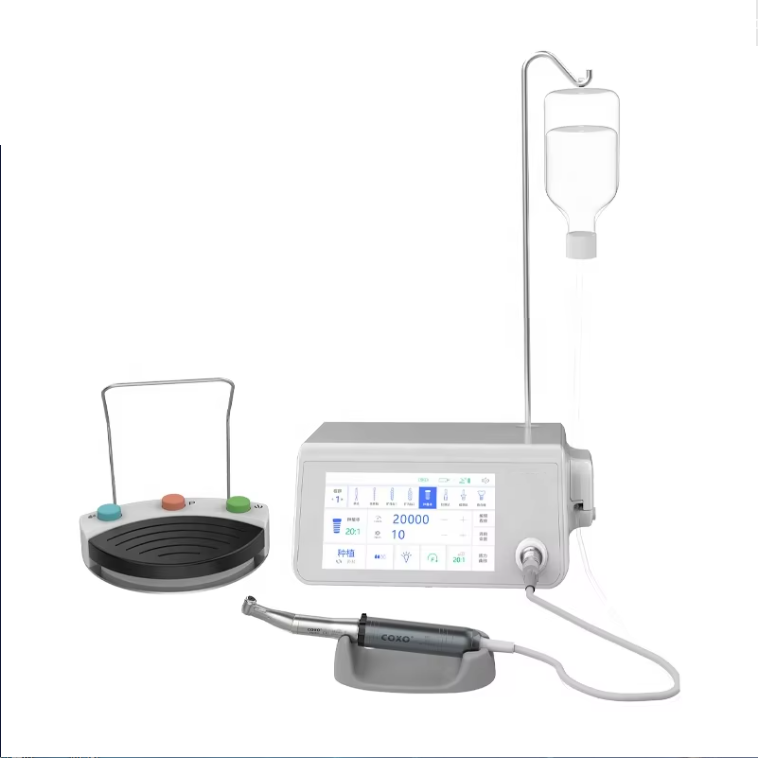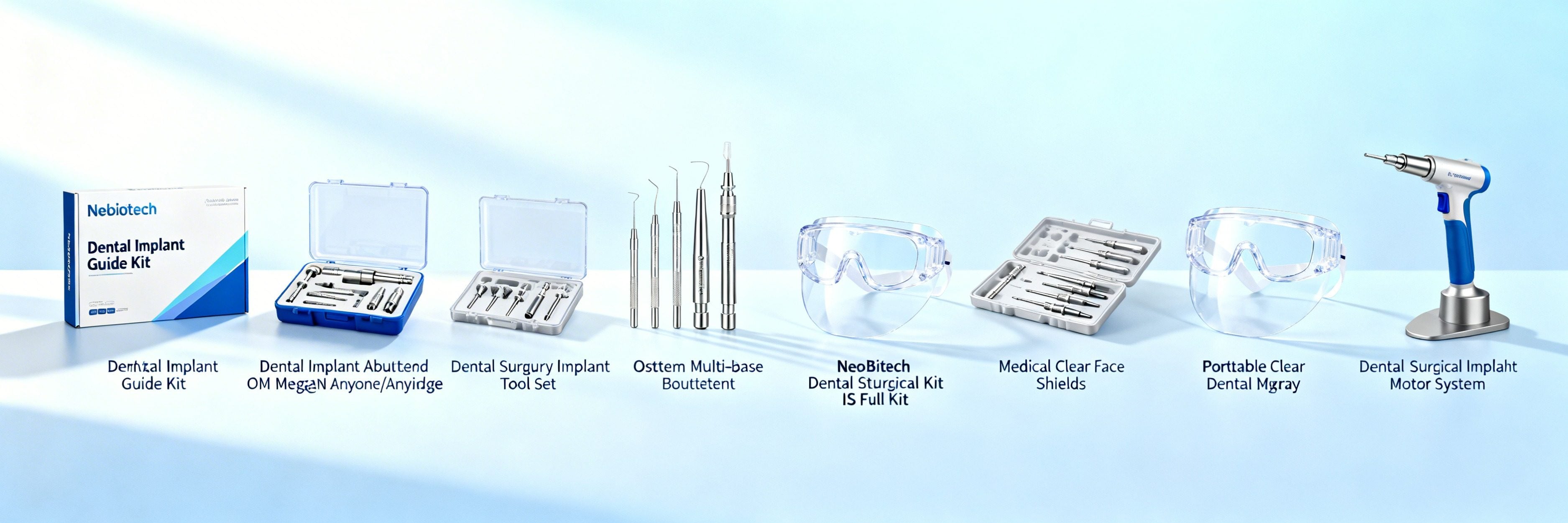
When planning implant treatment, adequate jawbone is one of the most important requirements for predictable outcomes. Without sufficient bone volume and density, implant stability and long-term osseointegration become less reliable. This is why a bone graft for dental implants is one of the most common procedures in modern implant dentistry. By rebuilding deficient bone, a bone graft for dental implants creates the foundation needed for successful implant placement and long-term function.
The connection between a bone graft for dental implants and dental implant success rates is strongly supported by clinical evidence. Regenerated bone improves implant stability, supports healthy soft tissue, and contributes to long-term resistance against complications. Understanding the relationship between bone regeneration, osseointegration enhancement, and implant longevity helps clinicians and patients make informed treatment decisions.
A bone graft for dental implants supports healing through three biological mechanisms: osteogenesis, osteoinduction, and osteoconduction.
These mechanisms contribute directly to osseointegration enhancement by creating a stable environment for implant integration. Different graft materials provide these benefits to varying degrees. Autogenous grafts offer all three mechanisms, while synthetic and xenograft materials primarily provide osteoconductive support.
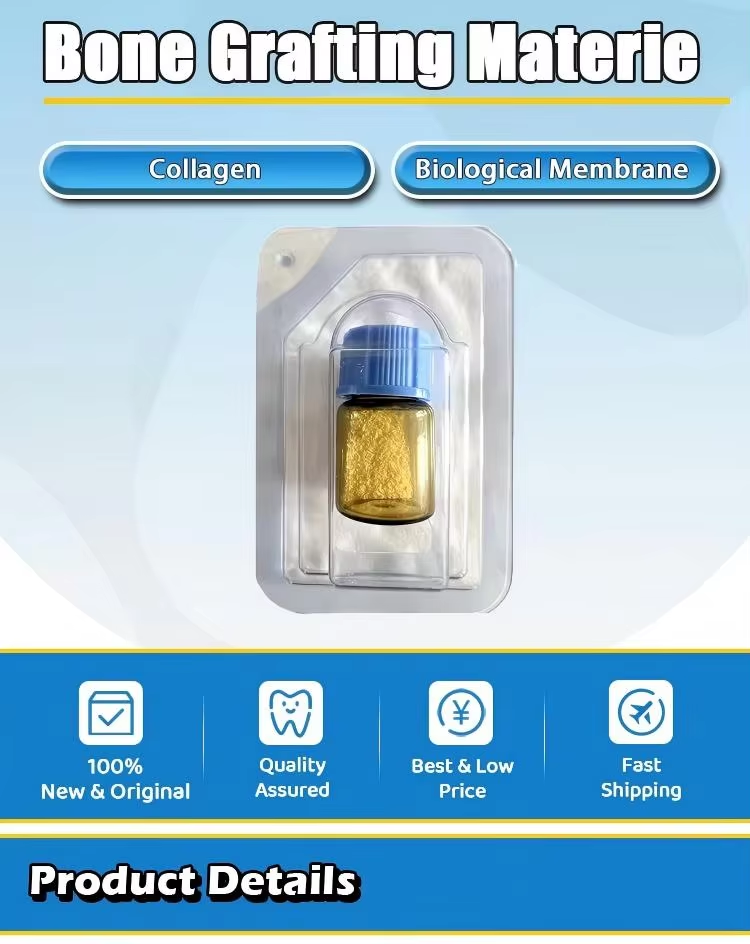
Modern graft materials, including collagen-based powders and regenerative bone cements, are designed specifically for osseointegration enhancement. They promote predictable bone formation while reducing surgical complexity in many implant cases.
Collagen plays a major role in the success of a bone graft for dental implants. As a natural component of bone and connective tissue, collagen helps stabilize blood clots, supports cell attachment, and encourages early vascularization.
Collagen-containing grafts improve osseointegration enhancement by creating a favorable healing environment during the critical early stages of regeneration. These materials are gradually replaced by native bone, typically allowing implant placement within three to six months depending on defect size and patient health.
In challenging sites such as the posterior maxilla, collagen-based grafts combined with calcium phosphate or hydroxyapatite can improve both regeneration quality and dental implant success rates.
Not every implant patient requires grafting, but many do. Bone resorption begins soon after tooth extraction and continues over time. Long-term tooth loss, periodontal disease, trauma, cyst removal, and failed implants can all create defects requiring a bone graft for dental implants.
Without adequate bone volume, implant stability may be compromised, reducing dental implant success rates. CBCT imaging allows clinicians to evaluate the extent of deficiency and determine whether grafting is required.
A bone graft for dental implants not only restores volume but also creates a more favorable biological environment for osseointegration enhancement and long-term stability.
Bone graft timing is a critical factor influencing treatment outcomes. Clinicians generally use three approaches:
Bone graft timing affects implant stability, healing predictability, and overall dental implant success rates. Simultaneous placement can shorten treatment time when defects are minor and primary stability is achievable.
For larger defects, staged treatment with delayed placement often produces superior osseointegration enhancement and improved long-term outcomes. Research consistently shows that appropriate bone graft timing significantly reduces the risk of implant failure in severely resorbed ridges.
Long-term implant success depends not only on survival but also on maintaining healthy bone levels around the implant. A successful bone graft for dental implants produces dense, vascularized bone that helps preserve crestal bone over time.
This preservation contributes directly to higher dental implant success rates by reducing stress concentration around the implant neck and maintaining healthy peri-implant tissues.
Regenerated bone created through a properly integrated bone graft for dental implants distributes chewing forces more evenly and supports long-term osseointegration enhancement.
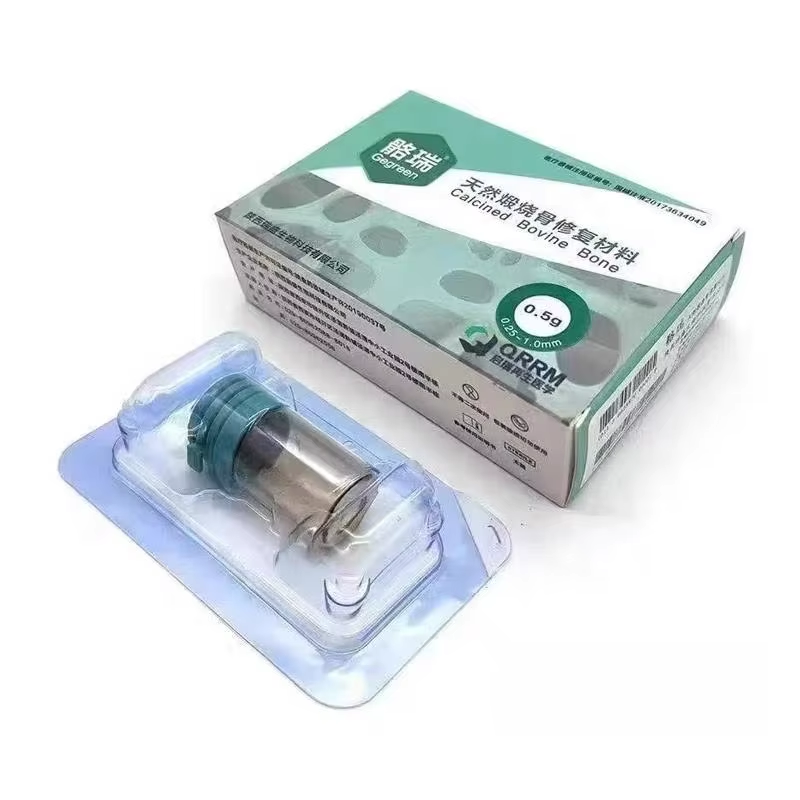
The material selected for a bone graft for dental implants influences healing speed, bone density, and long-term stability.
Absorbable materials gradually replaced by native bone often support superior osseointegration enhancement compared with permanent fillers that remain indefinitely at the site.
Modern regenerative cements and graft powders offer:
Material porosity and particle size also affect vascularization and cellular infiltration. Highly porous grafts encourage faster bone formation and may shorten the time between grafting and implant placement while maintaining strong dental implant success rates.
Long-term studies consistently show that a bone graft for dental implants improves outcomes in patients with bone deficiencies. Higher dental implant success rates have been reported in grafted sites compared with compromised sites treated without augmentation.
This advantage extends across multiple patient groups, including:
The primary reason is improved osseointegration enhancement. By restoring a healthier bone environment, grafting supports stronger implant integration and more stable peri-implant tissues.
Even when severe deficiencies are absent, strategic grafting at the time of extraction or implant placement often helps preserve bone and improve long-term dental implant success rates.
Periimplantitis prevention is one of the most important long-term benefits of bone grafting. Periimplantitis prevention depends heavily on maintaining healthy bone around the implant.
When implants are placed in inadequate bone, early bone loss is more likely to occur. This creates pockets where bacteria accumulate, increasing the risk of inflammation and implant complications.
A bone graft for dental implants supports periimplantitis prevention by ensuring the implant is surrounded by sufficient healthy bone from the beginning.
Facial bone thickness is especially important for periimplantitis prevention. Thin bone plates are more vulnerable to resorption and soft tissue recession. Bone augmentation helps create a thicker, more stable protective envelope around the implant.
For clinicians focused on predictable outcomes, periimplantitis prevention should be considered a major reason for incorporating grafting into treatment planning.
The benefits of a bone graft for dental implants extend far beyond simply filling a defect. Proper grafting improves:
Just as important, proper bone graft timing ensures that implants are placed when regenerated bone has reached sufficient maturity and strength.
The combination of a high-quality bone graft for dental implants, appropriate bone graft timing, and evidence-based surgical protocols consistently produces stronger clinical outcomes and higher dental implant success rates.
No. Patients with sufficient bone volume and density may proceed directly to implant placement. However, a bone graft for dental implants is often recommended when bone loss has occurred due to extraction, periodontal disease, trauma, or long-term tooth loss.
Bone graft timing influences healing quality, implant stability, and osseointegration enhancement. Proper timing allows regenerated bone to mature before implant loading, improving dental implant success rates and reducing complications.
Periimplantitis prevention begins with adequate bone support. A bone graft for dental implants helps create a healthy bone envelope around the implant, reducing early bone loss and minimizing bacterial colonization risks.
Yes. Numerous clinical studies show that a properly performed bone graft for dental implants can significantly improve dental implant success rates by increasing bone volume, enhancing stability, supporting osseointegration enhancement, and contributing to periimplantitis prevention over the long term.

 EN
EN