A dental implant is one of the most effective solutions for long-term tooth replacement. Unlike removable dentures or traditional bridges, a dental implant integrates directly with the jawbone, creating a stable foundation that supports long-term oral restoration. Modern dentistry considers dental implant long-term oral restoration the gold standard because it restores function, appearance, and jawbone health at the same time.
The success of dental implant long-term oral restoration depends on advanced implant design, precise placement, and the biological process known as osseointegration and bone preservation. When these factors work together, patients benefit from stronger chewing ability, improved aesthetics, preserved facial structure, and reliable long-term oral restoration.
The foundation of dental implant long-term oral restoration is osseointegration and bone preservation. Osseointegration is the process where the titanium implant fuses directly with the surrounding jawbone. This bond creates exceptional stability and allows the dental implant to function like a natural tooth root.
Osseointegration and bone preservation are essential because tooth loss often leads to rapid jawbone deterioration. Without a tooth root, the bone no longer receives stimulation during chewing. Over time, this causes bone shrinkage, facial collapse, and shifting of surrounding teeth. A dental implant prevents these problems by transferring chewing forces into the jawbone.
Because of osseointegration and bone preservation, dental implant long-term oral restoration offers benefits that dentures and bridges cannot fully provide. The implant helps maintain bone volume, protects gum structure, and supports healthy oral function for many years.
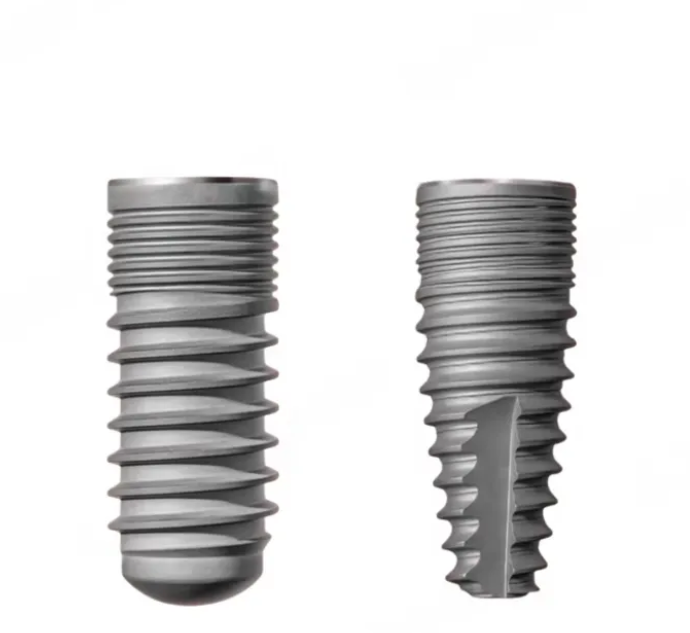
One of the biggest advantages of dental implant long-term oral restoration is the ability to preserve jawbone density. Osseointegration and bone preservation work together to maintain the natural shape of the jaw and face.
When a patient receives a dental implant, the implant stimulates the surrounding bone every time the patient chews. This mechanical stimulation encourages the bone to remain active and healthy. In contrast, traditional tooth replacement methods that sit above the gums do not provide this stimulation.
Osseointegration and bone preservation are especially important for patients who want stable facial aesthetics over time. Preserved bone supports the lips and cheeks, helping patients maintain a youthful appearance. This is one reason why dental implant long-term oral restoration is often recommended for both functional and cosmetic outcomes.
The debate around dental implant vs bridge is common in restorative dentistry. Understanding dental implant vs bridge helps patients choose the best long-term solution.
A major difference in dental implant vs bridge is bone preservation. A bridge replaces the visible portion of a tooth but does not replace the root. Because of this, the jawbone beneath the bridge may continue to shrink over time. In dental implant vs bridge comparisons, implants consistently perform better for osseointegration and bone preservation.
Another important point in dental implant vs bridge analysis is the effect on adjacent teeth. A bridge often requires healthy neighboring teeth to be reduced for support. A dental implant stands independently and does not damage surrounding teeth.
Dental implant vs bridge comparisons also show differences in durability. Bridges may require replacement after several years, while properly maintained implants can last decades. For many patients, dental implant long-term oral restoration provides better stability and lower long-term maintenance.
Several implant longevity factors determine how well a dental implant performs over time. Understanding implant longevity factors is essential for both clinicians and patients.
The first of the major implant longevity factors is proper treatment planning. Dentists evaluate bone quality, gum health, bite force, and medical history before placing an implant. Accurate planning increases the success rate of dental implant long-term oral restoration.
Another critical group of implant longevity factors involves component quality. Precision-manufactured implant fixtures and abutments create a tighter fit, reducing bacterial leakage and improving long-term stability. High-quality materials also improve osseointegration and bone preservation.
Patient habits are also major implant longevity factors. Smoking, uncontrolled diabetes, and poor oral hygiene can negatively affect healing and increase the risk of implant complications. Regular dental visits and daily oral care are essential for maintaining dental implant long-term oral restoration.
Occlusal balance is another one of the key implant longevity factors. Excessive bite pressure can overload the implant and surrounding bone. Proper crown design distributes force evenly and supports long-term stability.
Dental implant long-term oral restoration provides major functional improvements compared to missing teeth or unstable dentures. Because the implant is anchored directly in bone, patients can chew with greater force and confidence.
Many patients notice immediate improvements in daily eating after completing dental implant long-term oral restoration. Hard or fibrous foods become easier to chew, allowing patients to enjoy a healthier and more balanced diet.
Speech improvement is another benefit of dental implant long-term oral restoration. Missing teeth or loose dentures can create pronunciation difficulties. A stable implant-supported crown allows patients to speak naturally without worrying about movement or slipping.
Osseointegration and bone preservation also contribute to long-term comfort. Since the implant becomes part of the jaw structure, patients often report that the restoration feels very similar to a natural tooth.
Dental implant long-term oral restoration is highly valued for its natural appearance. Implant-supported crowns are carefully designed to match the surrounding teeth in color, shape, and contour.
Because of osseointegration and bone preservation, gum tissue remains more stable around the implant. This helps maintain a natural gumline and reduces the sunken appearance often associated with long-term tooth loss.
In dental implant vs bridge evaluations, implants often provide superior aesthetic stability because they preserve the underlying bone structure. Patients who receive dental implant long-term oral restoration usually experience improved self-confidence and greater satisfaction with their smile.
Long-term success depends heavily on maintenance and implant longevity factors. Even though implants are highly durable, patients must care for them properly.
Professional cleanings and regular examinations help detect early signs of inflammation or bite imbalance. These visits are important implant longevity factors because early intervention prevents more serious complications.
Daily brushing, flossing, and the use of interdental cleaning tools help protect the tissues surrounding the implant. Good oral hygiene supports osseointegration and bone preservation over the long term.
Patients who follow professional care instructions often achieve excellent results with dental implant long-term oral restoration for decades.
Dental implant long-term oral restoration can last 20 years or more when patients maintain good oral hygiene and follow professional care recommendations. Implant longevity factors such as bone quality, smoking habits, and maintenance routines all influence long-term success.
Osseointegration and bone preservation are important because they allow the implant to stabilize inside the jawbone while preventing bone loss. This process supports facial structure, chewing function, and long-term oral health.
In most dental implant vs bridge comparisons, implants offer better long-term durability and bone preservation. Bridges may require replacement sooner and do not prevent jawbone resorption.
The main implant longevity factors include proper surgical planning, quality implant components, healthy bone structure, good oral hygiene, smoking cessation, regular dental maintenance, and balanced bite force.
Dental implant long-term oral restoration remains one of the most advanced and reliable solutions in modern dentistry. Through osseointegration and bone preservation, a dental implant restores function, protects jawbone health, and maintains natural aesthetics for many years.
Compared with traditional solutions in dental implant vs bridge discussions, implants provide superior stability, independent support, and better long-term oral health outcomes. By understanding the key implant longevity factors and maintaining proper care, patients can enjoy the full benefits of dental implant long-term oral restoration for decades.

 EN
EN