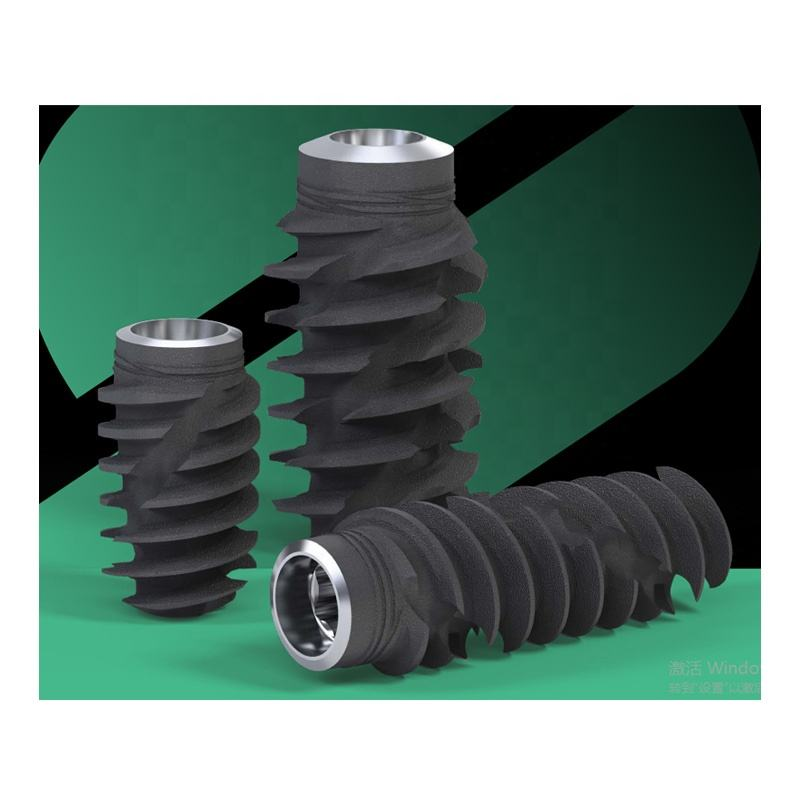
Selecting the right dental implant materials is one of the most important decisions in restorative dentistry and modern dental implant procurement. The quality of dental implant materials directly affects osseointegration, fatigue resistance, corrosion performance, aesthetics, and long-term clinical reliability. For clinicians, distributors, dental laboratories, and procurement teams, understanding the differences between titanium dental implants, zirconia dental implants, and Ti-6Al-4V ELI systems is essential for successful treatment outcomes and efficient dental implant procurement.
Today, most premium dental implant materials are based on commercially pure titanium, Ti-6Al-4V ELI alloy, or zirconia ceramic. Each category of dental implant materials offers unique biological and mechanical advantages depending on clinical indications and manufacturing requirements.
Dental implant materials must function in an extremely demanding oral environment. Every implant experiences continuous chewing pressure, bacterial exposure, moisture, and temperature changes. Successful dental implant materials must therefore combine excellent biocompatibility with high mechanical strength.
During dental implant procurement, buyers increasingly evaluate whether dental implant materials provide:
Without proper osseointegration, even advanced titanium dental implants or zirconia dental implants may eventually fail. For this reason, the selection of dental implant materials remains one of the most critical factors in implant dentistry.
Titanium dental implants remain the most widely used implant solution worldwide. Among all dental implant materials, commercially pure Grade 4 titanium has the longest clinical history and the strongest research support.
Titanium dental implants naturally form a stable oxide layer that improves corrosion resistance and supports bone attachment. This biological stability explains why titanium dental implants continue to dominate the global implant market.
Advantages of titanium dental implants include:
During dental implant procurement, many distributors prefer titanium dental implants because raw materials are widely available and manufacturing processes are highly standardized. Titanium dental implants also provide consistent quality across large production volumes.
For standard implant fixtures and restorative applications, commercially pure titanium remains one of the most cost-effective dental implant materials available today.
For high-load applications and narrow implant geometries, Ti-6Al-4V ELI is one of the most important dental implant materials in premium implant manufacturing.
Ti-6Al-4V ELI contains aluminum and vanadium, increasing strength compared with commercially pure titanium. Many modern titanium dental implants use Ti-6Al-4V ELI for abutments, mini implants, and narrow-diameter fixtures requiring superior fatigue resistance.
Key advantages of Ti-6Al-4V ELI include:
The “ELI” designation stands for Extra Low Interstitial, meaning reduced oxygen and nitrogen content for improved long-term durability. In dental implant procurement, Ti-6Al-4V ELI is commonly specified for premium titanium dental implants designed for demanding clinical conditions.
ASTM F136 certification is an essential requirement when sourcing Ti-6Al-4V ELI implant components. Reliable dental implant procurement processes should always verify compliance documentation for Ti-6Al-4V ELI materials.
Zirconia dental implants have become increasingly popular in aesthetic implant dentistry. Among modern dental implant materials, zirconia offers a unique metal-free solution for patients concerned about appearance or metal sensitivity.
Unlike titanium dental implants, zirconia dental implants are naturally white, making them highly suitable for anterior restorations where gingival translucency may expose metallic components.
Advantages of zirconia dental implants include:
Clinical studies show that properly treated zirconia dental implants can achieve reliable osseointegration comparable to titanium dental implants in selected cases.
For dental implant procurement teams serving premium aesthetic clinics, zirconia dental implants have become an important product category within modern dental implant materials portfolios.
Although zirconia dental implants offer important advantages, they also introduce manufacturing and engineering challenges.
Compared with titanium dental implants, zirconia dental implants are more brittle and have lower fracture toughness under bending stress. Narrow implant geometries and complex internal connections are more difficult to manufacture safely using zirconia dental implants.
Production of zirconia dental implants requires:
As a result, zirconia dental implants usually involve higher production costs compared with titanium dental implants. During dental implant procurement, buyers should evaluate supplier manufacturing capability carefully when sourcing zirconia dental implants.
Surface engineering significantly improves the performance of dental implant materials. Whether using titanium dental implants or zirconia dental implants, surface treatment strongly influences healing speed and implant stability.
SLA (sand-blasted, large-grit, acid-etched) treatment remains one of the most widely validated technologies for dental implant materials.
SLA processing increases surface roughness on titanium dental implants and zirconia dental implants, improving bone attachment and accelerating osseointegration.
Many premium dental implant procurement programs prioritize suppliers capable of maintaining consistent SLA surface quality across all dental implant materials.
Advanced titanium dental implants increasingly use hydrophilic treatments and anodization technology. These processes improve blood wetting and enhance early-stage bone healing around the implant surface.
Anodization is especially important for Ti-6Al-4V ELI implant systems because it strengthens the oxide layer while improving biological response.
For high-end dental implant procurement, advanced surface technologies represent a major differentiator between premium and commodity suppliers.
Professional dental implant procurement requires strict regulatory verification for all dental implant materials.
Buyers should confirm compliance with:
Reliable dental implant procurement also requires supplier traceability, inspection reports, and material certification documentation.
Failure to verify dental implant materials properly may create clinical risks, legal liability, and financial losses.
There is no single solution suitable for every clinical indication. Titanium dental implants remain the global benchmark because of their strength, proven history, and manufacturing efficiency. Ti-6Al-4V ELI systems provide enhanced mechanical performance for demanding restorative situations. Zirconia dental implants deliver superior aesthetics and metal-free treatment options for selected patients.
A balanced portfolio of dental implant materials allows distributors and clinics to optimize aesthetics, durability, and cost while improving overall dental implant procurement flexibility.
For long-term success, professional dental implant procurement should focus not only on price, but also on material quality, manufacturing consistency, certification compliance, and supplier reliability.

 EN
EN