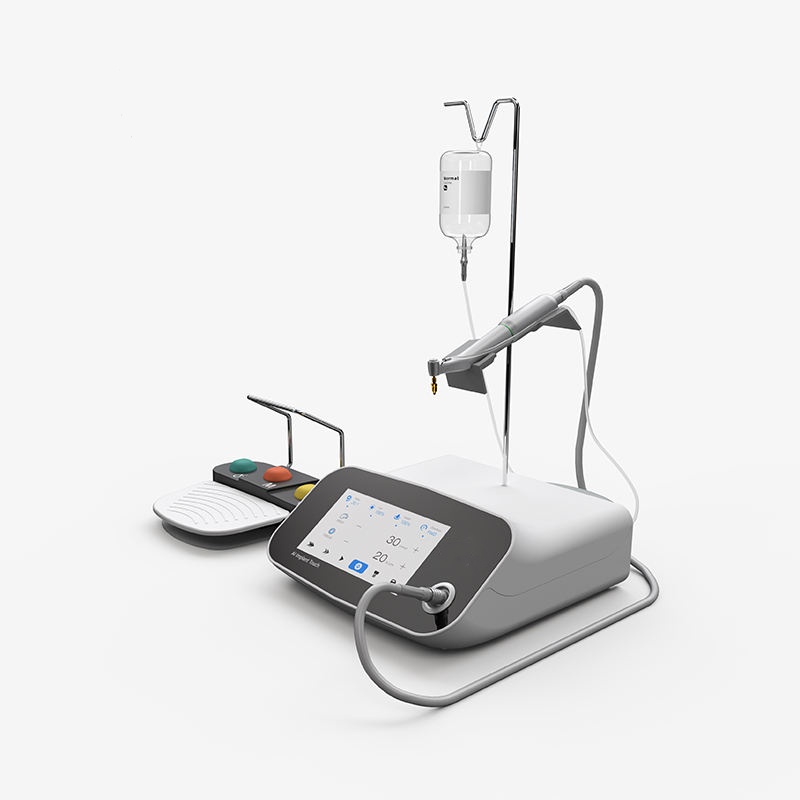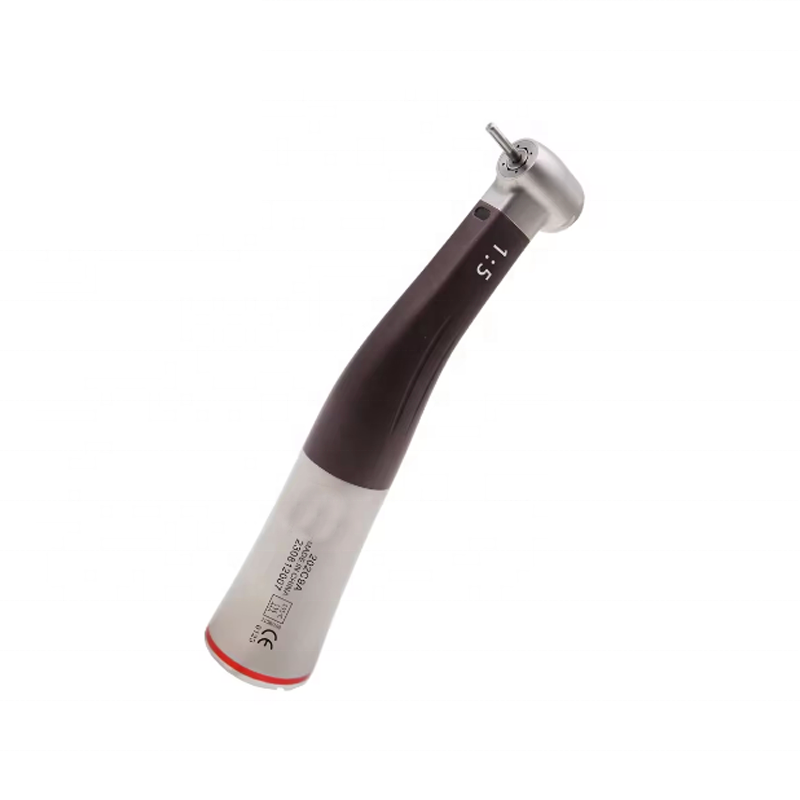
Compact implant motor designs benefit dental surgery rooms by reducing equipment footprint and simplifying how teams position, connect, and access essential components. A smaller system can free space around the chair without removing functions clinicians need, including implant motor torque control and a dependable dental implant surgical handpiece. The result is a room layout that can support focused work and smoother preparation.
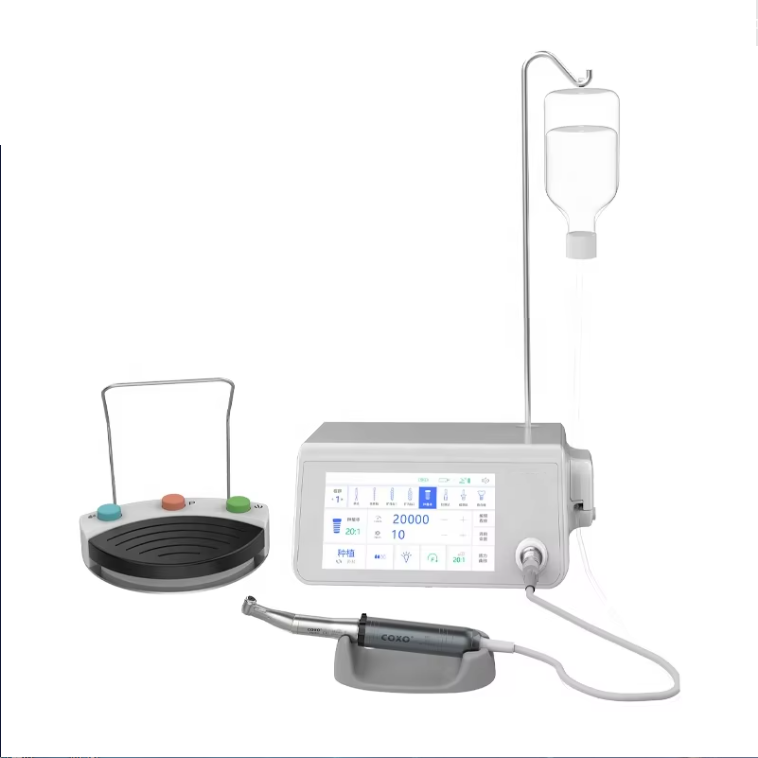
The value is practical rather than cosmetic. In a treatment room with limited counter space, a compact implant motor can make it easier to arrange the display, irrigation, and instrument delivery within reach. Pairing suitable implant placement speed settings with an accessible dental implant surgical handpiece helps the operator work through planned stages without repeatedly reorganizing the room.
A compact console takes up less of the available work surface, leaving more room for sterile supplies and procedure-specific instruments. Staff can place the unit where the display is visible and cables remain controlled. With a carefully selected implant motor, the dental implant surgical handpiece and its connection can be organized without crowding other equipment.
The benefit depends on the actual room plan, not dimensions alone. Before installation, teams should check console footprint, cable reach, display visibility, and access to power. Implant motor torque control should be easy to read from the working position, while implant placement speed settings need to be adjustable without forcing the operator to reach across the patient or sterile field.
A smaller unit can make it easier to define a consistent home for the console and handpiece between procedures. That consistency supports setup checks and helps staff return items to the same locations during turnover. A dental implant surgical handpiece should have a protected, accessible place, and implant placement speed settings should be reviewed as part of the preparation routine.
Compact design does not remove the need for infection-control procedures. The team still needs to follow the device instructions for cleaning, disinfection, sterilization, and handling of detachable components. Clear placement also helps keep the display and controls visible rather than hidden behind trays. In this arrangement, implant motor torque control remains available for verification before the procedure begins.
A well-positioned console reduces unnecessary movement during a procedure. The clinician can confirm the selected program or adjust a setting while maintaining an efficient posture, provided the display is placed within view. Implant placement speed settings should match the planned stage and instrument instructions, while implant motor torque control provides an important parameter to monitor during use.
The handpiece is part of this workflow, not an accessory to consider separately. Check that its cable or connection allows the intended range of movement and does not cross a busy pathway. A dental implant surgical handpiece that is easy to retrieve and return can make transitions between stages more orderly. Compact equipment helps only when the full working arrangement remains accessible.
A repeatable setup reduces uncertainty for clinicians and assistants. Teams can agree on a console location, cable path, irrigation arrangement, and pre-use control check, then document the routine for different room configurations. Reviewing implant placement speed settings before treatment and confirming implant motor torque control against the plan helps keep preparation deliberate rather than rushed.
Room turnover also benefits when components are easy to identify and manage. Staff should know which parts require removal, processing, or inspection and where they belong after cleaning. A dental implant surgical handpiece should be handled according to its instructions, while the console stays positioned to avoid unnecessary contact with contaminated surfaces. Compact form can make these boundaries easier to establish.
Selection should begin with a measured room layout and the team’s usual procedure sequence. Compare the console footprint with available surfaces, then check control visibility, connection reach, and storage needs. Confirm that implant placement speed settings cover the intended workflow and that implant motor torque control is presented in a way the clinician can understand and verify.
Review the complete system rather than judging the console alone. Consider the dental implant surgical handpiece, cable routing, irrigation connections, foot control, and any accessories used in the room. Each component affects placement and movement. If a compact unit requires awkward cable routing or blocks access to other controls, its smaller footprint may not translate into a more usable setup.
A practical evaluation can use a simulated setup with the chair, assistant position, sterile work surface, and typical instruments in place. Ask the clinician to reach the controls, view the display, and move the handpiece through the expected range. Confirm implant motor torque control visibility and test the selected implant placement speed settings without interrupting the planned sequence.
After the trial, note cable conflicts, blind spots, and surfaces that become difficult to clean. Adjust the console position before making the layout standard for the room. Check that the dental implant surgical handpiece can be transferred and parked safely, and that staff can follow the same preparation steps. This validation turns compact dimensions into a clear operational benefit.
Not automatically. Suitability depends on available surface area, power access, cable reach, display visibility, and the room’s procedure flow. A compact unit can ease congestion, but teams should test positioning with the chair and other equipment in place before deciding where it belongs.
Follow the device instructions and the clinic’s protocol. Confirm connections, handpiece condition, irrigation setup, and the planned program. Verify implant motor torque control and implant placement speed settings against the procedure plan, then ensure the dental implant surgical handpiece is ready and accessible.
The console size alone does not determine handpiece technique or clinical settings. The operator should follow training, device instructions, and the procedure plan. A compact layout can make a dental implant surgical handpiece easier to reach, but implant motor torque control and implant placement speed settings still require appropriate selection and verification.

 EN