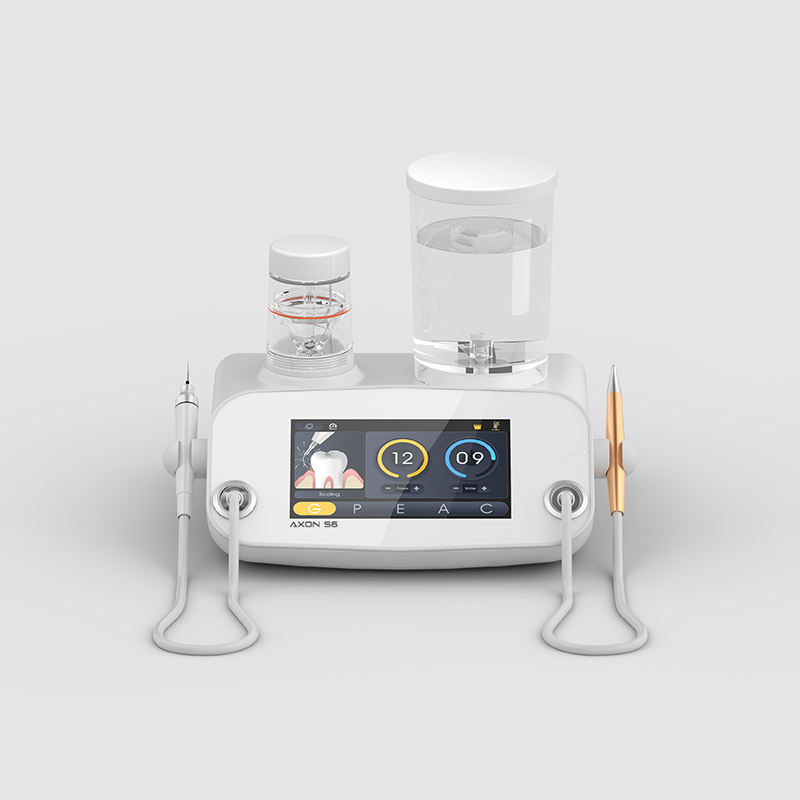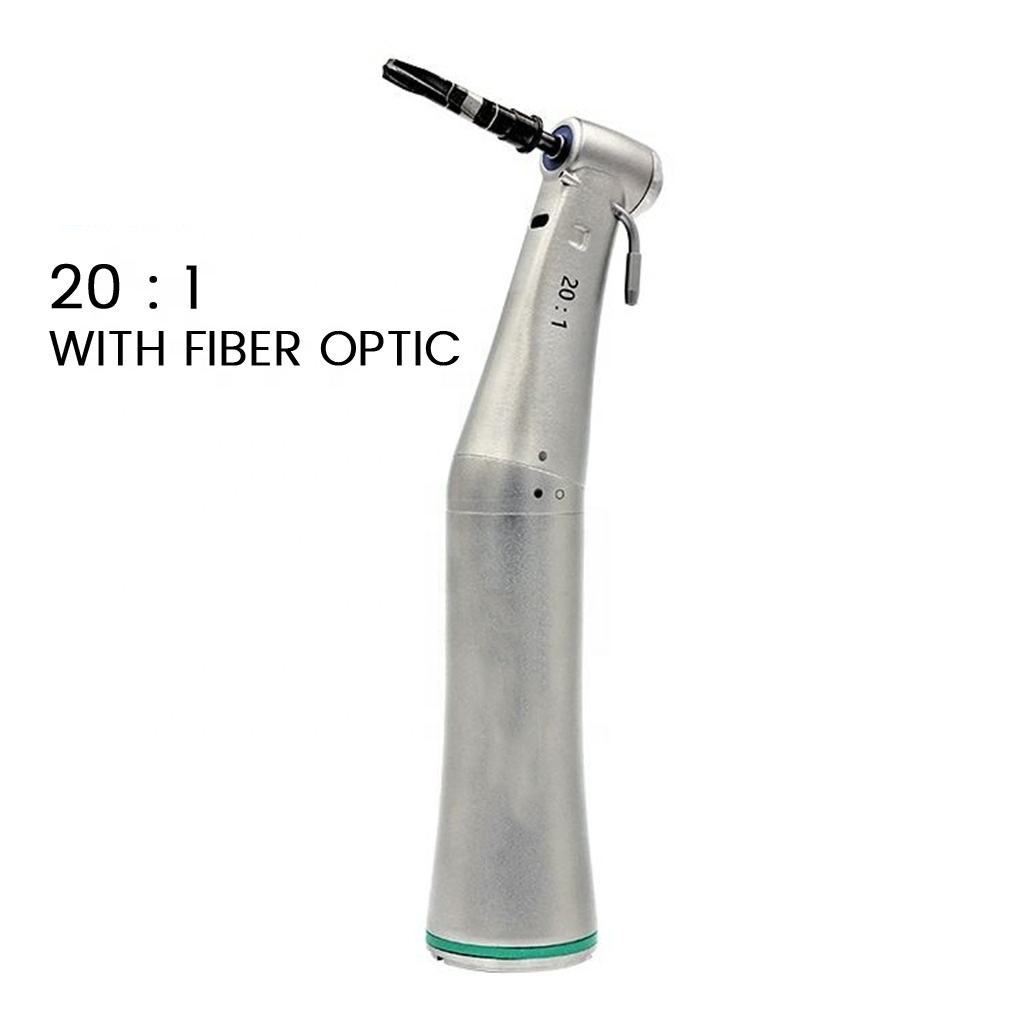
Low-noise dental handpiece models are popular because they can make treatment feel less stressful while supporting a calmer working environment. Their appeal is not simply about reducing sound: clinicians also consider dental bur types and speeds, handpiece sterilization and maintenance, and the high-speed vs low-speed handpiece comparison when selecting equipment for daily procedures.
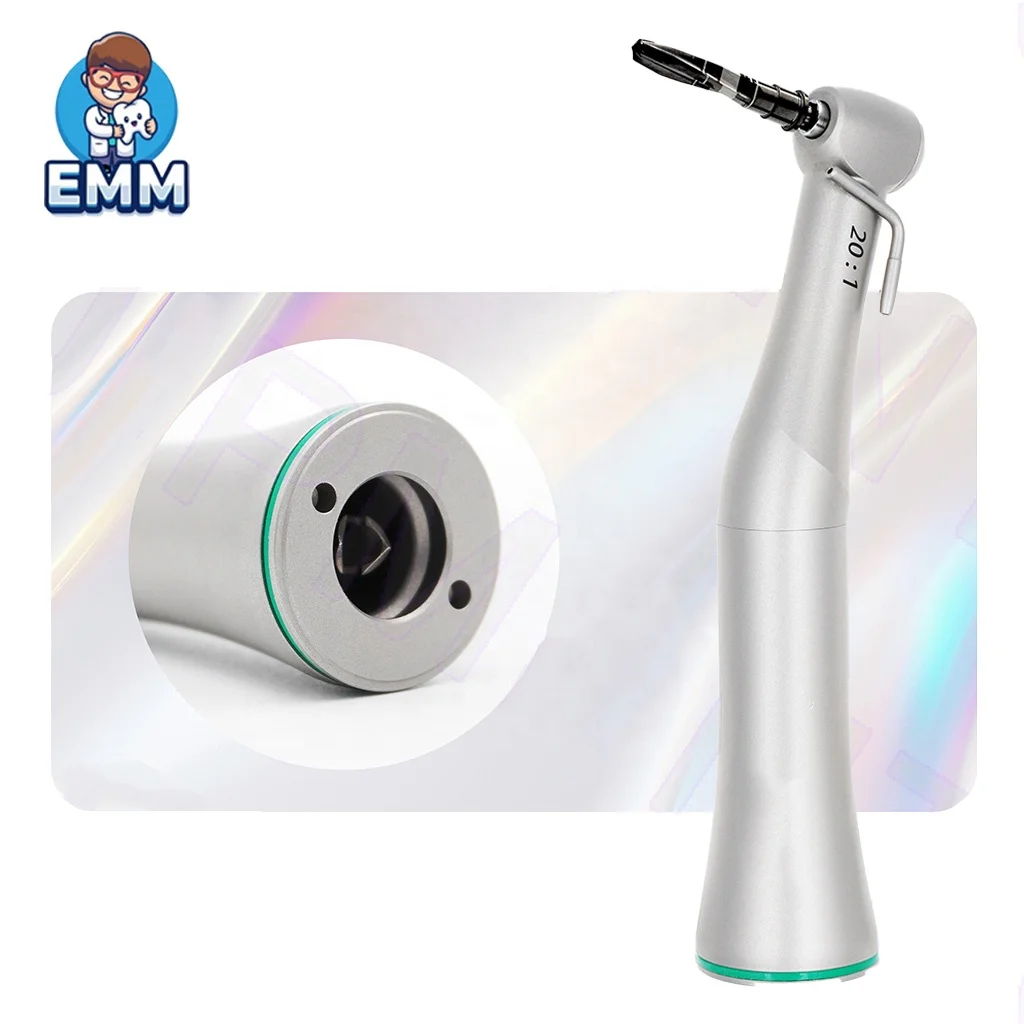
Noise matters in a modern clinic because it affects patients, staff communication, and the overall feel of a procedure. A quieter dental handpiece can help reduce one source of anxiety, but its suitability still depends on the task, the operator, and routine care. Understanding dental bur types and speeds, handpiece sterilization and maintenance, and the high-speed vs low-speed handpiece comparison helps clinics assess the practical reasons behind the trend.
High-pitched or unfamiliar sounds can heighten tension for patients who already feel uneasy about dental care. A low-noise dental handpiece may make the treatment setting feel more composed, especially during appointments involving close, sustained work. Dental bur types and speeds help determine which instrument is appropriate, while a high-speed vs low-speed handpiece comparison clarifies why different procedures produce different sounds.
The sound patients notice is influenced by the procedure, the instrument, and the way the handpiece is operated. Dental bur types and speeds affect cutting behavior and the time an instrument is in use, so matching the bur and speed to the task can support controlled work. Clinics also weigh the high-speed vs low-speed handpiece comparison when explaining why one procedure may sound different from another.
Clear communication helps patients follow instructions and tell the clinician when they need a pause. Lower perceived noise can make those exchanges easier, although room acoustics and other equipment contribute to the overall soundscape. Handpiece sterilization and maintenance matter here because routine inspection can identify wear or operating changes that may affect sound, while dental bur types and speeds guide appropriate instrument use.
Noise reduction should be considered alongside dependable handling, not as a substitute for clinical judgment. Clinicians can evaluate a dental handpiece during realistic procedures and note how its sound affects patient responses and staff conversation. Handpiece sterilization and maintenance should follow the applicable instructions, and the high-speed vs low-speed handpiece comparison should reflect actual procedure needs rather than sound alone.
Different clinical tasks call for different operating characteristics, so speed selection has a direct bearing on workflow. Dental bur types and speeds should be considered together: the bur geometry, intended material, and procedure all influence the choice. The high-speed vs low-speed handpiece comparison helps teams distinguish applications, while handpiece sterilization and maintenance remain essential between patients.
A quieter model may be attractive when clinicians want a more comfortable working environment, but it still has to suit the planned procedure. Reviewing dental bur types and speeds helps prevent choosing an instrument based on noise alone. The high-speed vs low-speed handpiece comparison should include control, handling, and intended use, and handpiece sterilization and maintenance should fit the clinic’s reprocessing workflow.
Clinics may consider low-noise options for procedures where sound is especially noticeable to patients or where repeated appointments make comfort a priority. Dental bur types and speeds still determine what is appropriate for each task. A high-speed vs low-speed handpiece comparison gives staff a practical framework for discussing instrument roles, and handpiece sterilization and maintenance must be manageable within established protocols.
In a busy practice, equipment choices affect room turnover and staff routines as well as the treatment itself. Teams can compare a dental handpiece with existing instruments under normal working conditions, considering grip, access, sound, and cleaning steps. Dental bur types and speeds should match the intended procedures, while handpiece sterilization and maintenance procedures need to be understood by everyone responsible for reprocessing.
Sound is only one part of a useful evaluation. Clinicians should consider whether the handpiece feels balanced, whether controls are straightforward, and whether the instrument fits the clinic’s common procedures. The high-speed vs low-speed handpiece comparison can frame that review, while dental bur types and speeds help define expected use. Handpiece sterilization and maintenance requirements also affect whether a model fits daily operations.
A practical assessment can include testing the instrument in a representative setting and asking staff to note handling, access, and noise. Compare the candidate with the clinic’s current equipment without assuming that quieter automatically means better. Dental bur types and speeds should be selected for the specific task, and the high-speed vs low-speed handpiece comparison should account for intended use rather than a single feature.
Before adoption, confirm that the clinic can follow the product instructions for cleaning, lubrication, inspection, and sterilization. Handpiece sterilization and maintenance are central to safe, consistent equipment use, and the process should be clear to all relevant staff. Dental bur types and speeds also need to be matched correctly so the instrument is used within its intended role.
A model that fits existing workflows is more likely to be used consistently. Review training needs, compatible accessories, service procedures, and how the instrument will be stored between appointments. These operational details matter as much as the high-speed vs low-speed handpiece comparison when planning equipment use, especially in clinics seeking a quieter and more patient-conscious environment.
The decision can be gradual: identify the procedures where noise is most disruptive, then assess whether a different instrument would address that concern without compromising task fit. A clinic considering a dental handpiece can review its intended applications, operator feedback, and care requirements before making a change. This keeps the choice grounded in daily clinical needs.
Not necessarily. Procedure requirements should guide the choice, with dental bur types and speeds considered alongside the instrument’s intended use. The high-speed vs low-speed handpiece comparison can help clarify whether a model fits a particular task. Noise is one useful consideration, but it should not outweigh clinical suitability or handling.
No. Handpiece sterilization and maintenance remain necessary regardless of the sound profile. Follow the applicable instructions for cleaning, lubrication, inspection, and sterilization, and train staff on the established process. A quieter instrument still needs appropriate care to support reliable use in the clinic.
Consider intended procedures, operator comfort, patient response, workflow fit, and care requirements. The high-speed vs low-speed handpiece comparison should reflect the tasks performed, while handpiece sterilization and maintenance should fit reprocessing capacity. Reviewing these factors together makes the decision more practical than choosing by noise alone.

 EN