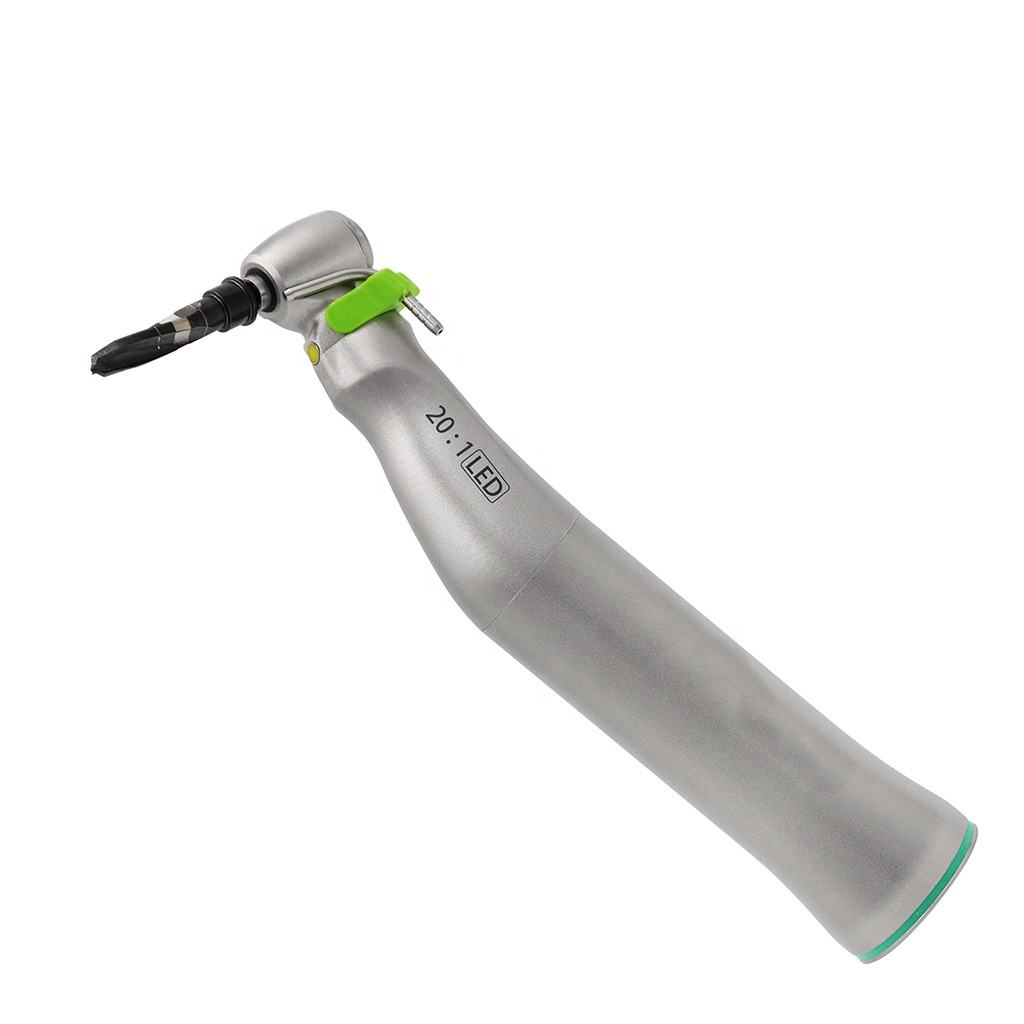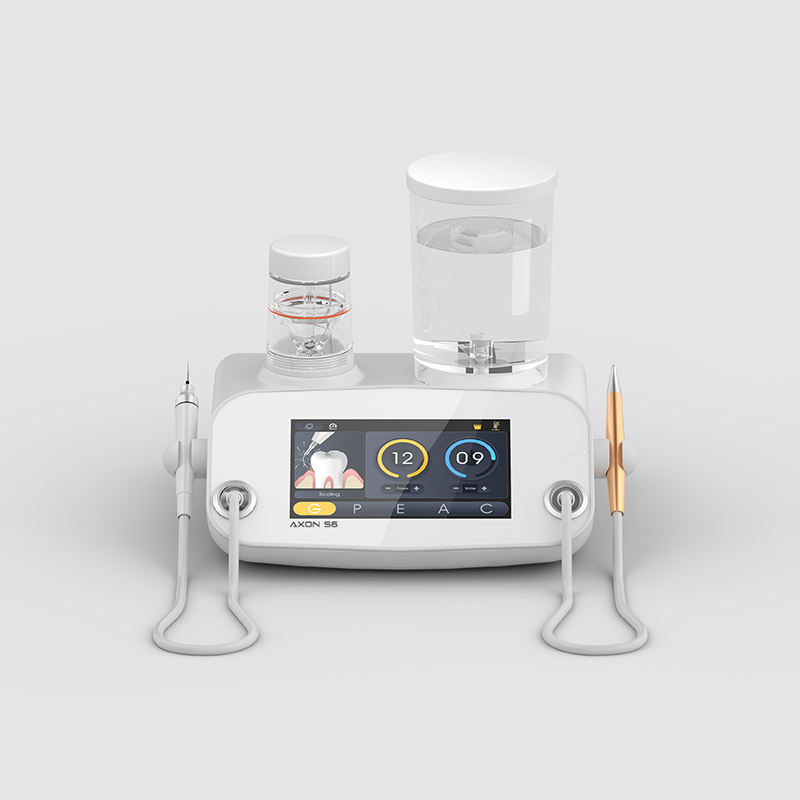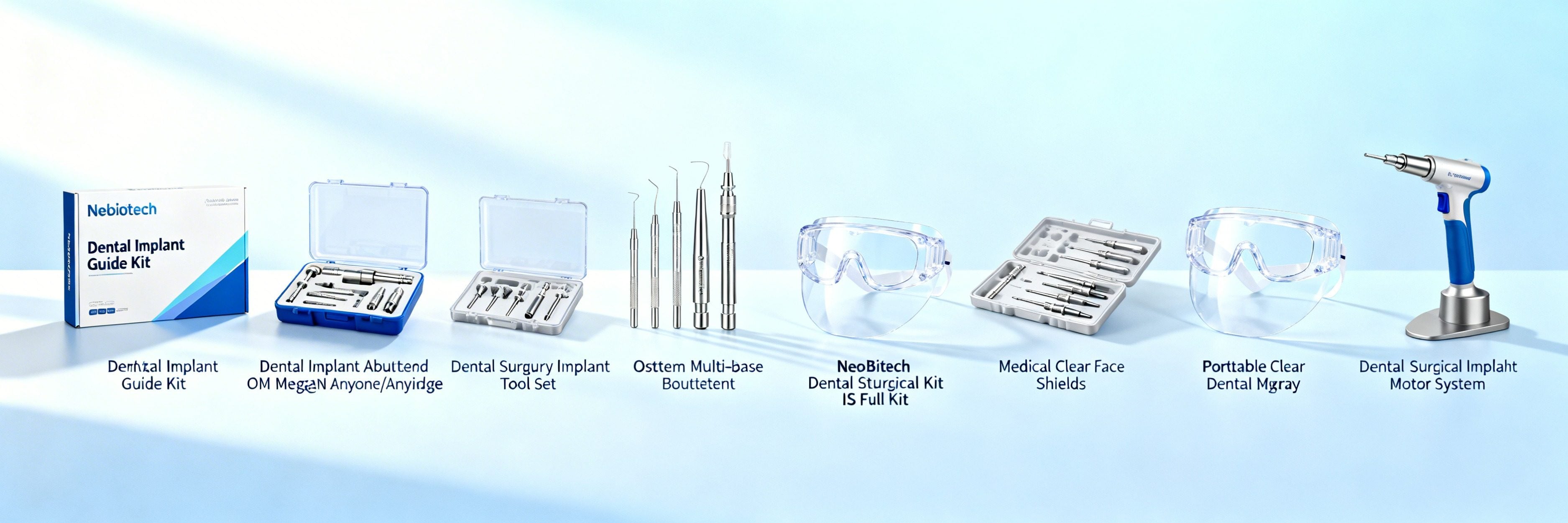
Reliable equipment can support long-term clinic growth by making implant procedures more consistent, helping teams prepare efficiently, and reducing avoidable workflow interruptions. An implant motor is one part of that system: its settings, handpiece compatibility, and maintenance needs affect how clinicians plan procedures and how staff support them. A dental implant handpiece selected for the clinic’s cases also influences handling and setup.
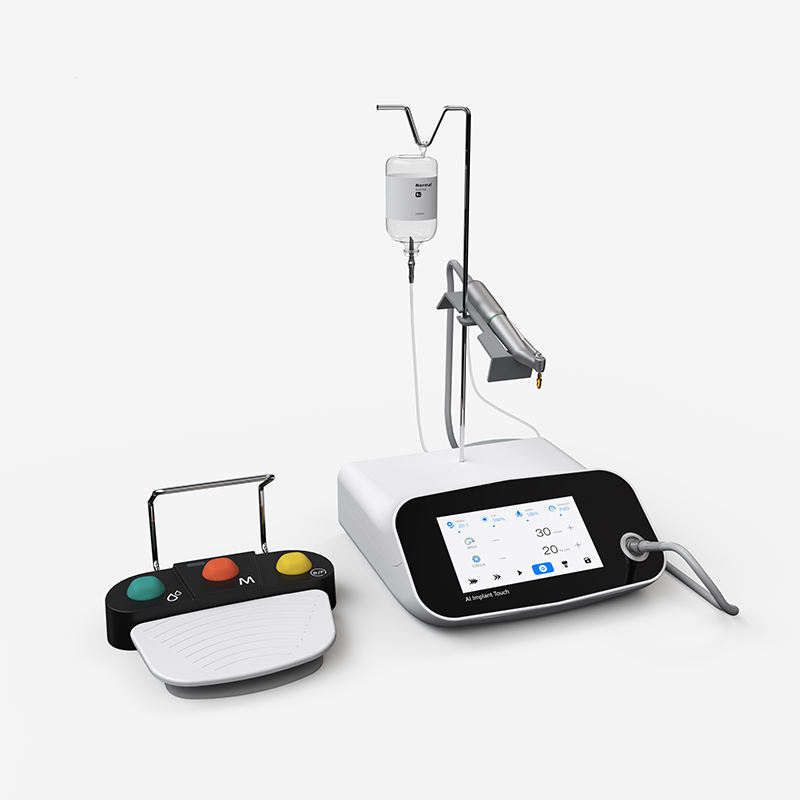
Growth does not come from equipment alone. It depends on matching clinical needs with a repeatable process, clear staff responsibilities, and sound purchasing decisions. When implant motor torque control is understood and documented, teams can prepare settings more reliably; when surgical implant placement speed is selected for the procedure and clinical judgment, workflow becomes easier to coordinate without treating speed as a substitute for technique.
A growing practice may handle varied bone conditions, treatment plans, and appointment schedules, so equipment should fit actual clinical work rather than an imagined standard case. A dental implant handpiece needs to feel manageable for the clinician and suit the system’s intended use. Reviewing implant motor torque control alongside the planned procedure helps teams establish a consistent setup, while surgical implant placement speed remains a clinical decision guided by the case.
Before a procedure, staff can confirm the motor, handpiece, accessories, and settings against the clinic’s established protocol. Choosing a dental implant handpiece that works with the intended setup can reduce uncertainty during preparation. Clear checks for surgical implant placement speed and the selected operating mode help the team communicate expectations, while leaving the clinician responsible for decisions based on anatomy and procedural findings.
A stable workflow is easier to teach when staff can follow a defined sequence instead of relying on memory or informal habits. Documenting implant motor torque control, setup checks, and responsibilities helps new team members understand what to verify and when to ask for guidance. A dental implant handpiece should be handled, cleaned, and prepared according to its instructions, with training appropriate to each staff role.
The clinic can also record how it verifies surgical implant placement speed before treatment and how changes are communicated during the procedure. This does not create a universal setting; it creates a shared process for checking the clinician’s selected parameters. When an implant motor and dental implant handpiece are incorporated into that process, preparation is less dependent on one person’s undocumented routine.
Consistent control helps clinicians work within their chosen procedural approach and gives the team a clearer basis for preparation. Implant motor torque control should be understood through the system’s operating instructions and the clinician’s protocol, not assumed from a product label alone. Reviewing surgical implant placement speed in context helps avoid treating a faster setting as automatically better or appropriate for every site.
During planning, teams can confirm which settings need to be available, who verifies them, and how they are recorded. A dental implant handpiece that suits the clinician’s technique may support familiar handling, but fit and compatibility should be checked for the specific system. These practical steps help keep the implant motor part of a controlled process rather than an isolated purchase.
Patient experience is shaped by communication, preparation, and care throughout treatment, not by a motor alone. Still, a predictable setup can help the clinical team focus on its assigned tasks. Agreeing how surgical implant placement speed is selected and communicated reduces ambiguity, while recording implant motor torque control settings supports the clinic’s own documentation practices and review process.
For a busy schedule, readiness checks matter because incomplete preparation can disrupt room turnover and coordination. Staff should confirm that the dental implant handpiece is present, compatible, and prepared as directed, and that the selected motor settings are available for clinician verification. This simple discipline supports continuity between appointments without implying that every case follows the same clinical pathway.
Reliable service over time depends on more than buying suitable equipment; it also requires ownership of inspection, cleaning, maintenance, and escalation. Assigning responsibility for the implant motor and its accessories makes it easier to follow manufacturer instructions and identify issues before the next scheduled procedure. A dental implant handpiece should be maintained according to its specific guidance, with records kept in line with clinic policy.
The clinic should also establish how it handles uncertainty about calibration, settings, or a change in equipment behavior. Staff should pause and follow the appropriate guidance rather than improvise. Reviewing implant motor torque control requirements and confirming the available settings as part of routine readiness can help the practice respond consistently while protecting clinical decision-making.
As procedure volume or staffing changes, leaders can review practical evidence such as setup delays, training needs, service history, and whether current equipment supports the range of cases performed. Surgical implant placement speed belongs in clinical evaluation, not as a standalone productivity target. A dental implant handpiece that is appropriate for intended use can remain part of that review alongside compatibility and maintenance needs.
When considering an implant motor, assess how the system fits documented workflows, staff training, and service planning. Compare these requirements with the practice’s actual procedures rather than assuming that one configuration suits every clinic. This keeps purchasing tied to operational needs and makes future expansion decisions easier to explain.
It can support a repeatable setup and coordinated workflow when selected for clinical needs and maintained appropriately. Implant motor torque control should be understood within the clinician’s protocol, while teams verify settings and prepare the dental implant handpiece according to instructions. These practices support readiness; they do not guarantee a particular business outcome.
No single speed determines quality across all cases. Surgical implant placement speed is selected by the clinician in context, based on the procedure and relevant clinical findings. The team can support that decision by preparing the system consistently and confirming the dental implant handpiece and settings before treatment.
Review case requirements, staff competence, compatibility, maintenance instructions, and workflow capacity. Confirm how implant motor torque control will be managed and how surgical implant placement speed is selected and communicated. Expansion is more sustainable when equipment decisions are paired with training, documented processes, and a clear plan for ongoing service.

 EN