A comfortable dental visit depends on many small factors, including how smoothly a clinician can work and how well a patient can tolerate each step. The dental handpiece helps shape that experience through controllable power, access, and precision. Choosing a high speed dental turbine for appropriate procedures and confirming dental handpiece bur compatibility can support efficient, predictable treatment without asking the instrument to do work beyond its intended role.
Comfort is not a promise of pain-free care; it comes from sound technique, suitable equipment, clear communication, and an orderly workflow. A well-selected instrument can help the clinician maintain control and avoid unnecessary interruptions. Equally, dental handpiece maintenance and sterilization protect reliable operation between patients, while a considered bur choice helps the tool perform as expected during daily treatment.
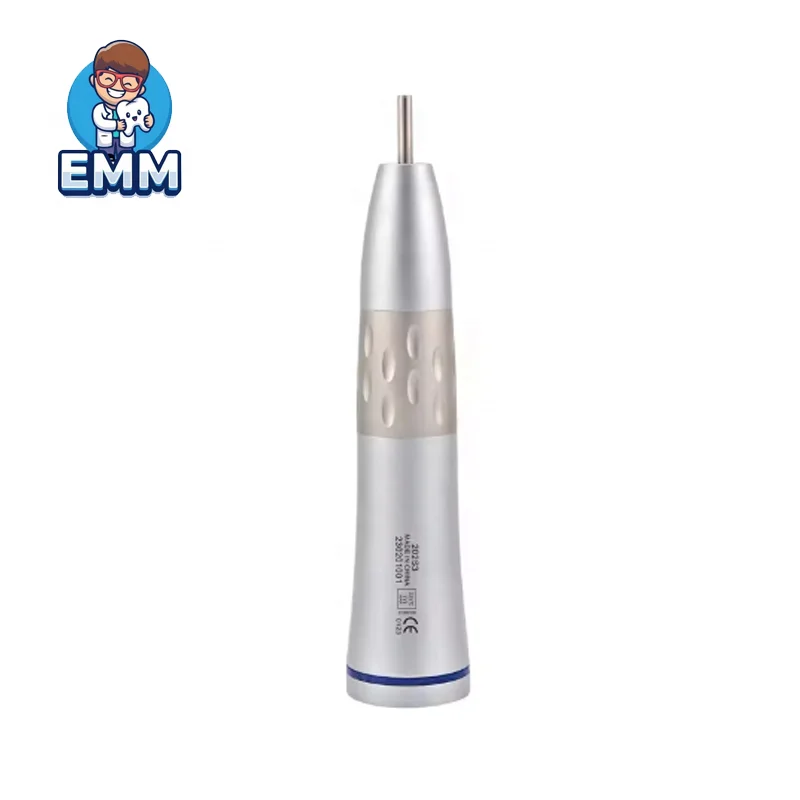
Different procedures call for different operating characteristics, so speed should match the task rather than be treated as a single measure of quality. A high speed dental turbine is designed for cutting tasks that require rapid rotation, while other procedures may call for a slower, more controlled instrument. Selecting the right dental handpiece for the planned work can help clinicians avoid excessive pressure and maintain a deliberate pace.
Patient comfort also depends on how the clinician manages sound, vibration, water spray, and time in the chair. A high speed dental turbine can be useful when its operating range suits the procedure, but the clinician still needs to use appropriate technique and explain sensations before treatment begins. When the tool responds predictably, the operator can focus on the treatment area instead of compensating for inconsistent handling.
Fit between instrument and accessory matters just as much as the selected speed. Dental handpiece bur compatibility means checking that the bur type and dimensions match the handpiece specifications and intended use. A compatible bur seats and operates as designed, helping support controlled movement. The clinician should also review the bur condition before use, because damage or wear can undermine smooth operation regardless of the instrument selected.
A balanced grip and clear access to the treatment area reduce the need for awkward wrist movement. A high speed dental turbine may suit certain restorative tasks, while a contra-angle or other configuration can offer different access characteristics. Before treatment, clinicians can consider reach, visibility, and the patient’s position together. Good access supports precision and helps the operator maintain a comfortable posture throughout a busy schedule.
Preparation reduces avoidable pauses that can make a visit feel longer or less settled. Confirm dental handpiece bur compatibility before placing the instrument on the tray, and keep the selected bur aligned with the procedure plan. Dental handpiece maintenance and sterilization should also be part of the established room turnover routine, not an afterthought. These checks help the clinical team start with a ready, appropriate instrument.
Comfortable treatment begins with a clear match between procedure, instrument, and accessory. A high speed dental turbine may be considered for tasks requiring fast cutting, whereas lower-speed options may be suitable for finishing, polishing, or other controlled applications. Review the manufacturer’s instructions for each device and choose based on the clinical task, required access, and operator familiarity rather than assuming one setup works for every patient.
Accessory selection should be checked at the point of setup. Dental handpiece bur compatibility includes the connection and permitted bur dimensions, as well as whether the bur is intended for the procedure. Never force an accessory that does not seat correctly. A careful check can prevent an interruption after treatment has begun and gives the clinician a more dependable basis for controlled work.
A consistent setup also helps the team anticipate what happens next. Confirm the selected dental handpiece is functioning as intended, check the water delivery where applicable, and make sure the chosen bur is in sound condition. Dental handpiece maintenance and sterilization procedures should guide preparation of reusable instruments. These simple pre-use habits support a calm workflow and allow attention to remain on patient communication and clinical judgment.
A routine works best when it reflects the actual equipment and the practice’s infection-control protocol. Dental handpiece maintenance and sterilization require following the device instructions for cleaning, lubrication where specified, packaging, and sterilization. Staff should not substitute assumptions for the approved process, because instrument design and care requirements can differ. Clear responsibilities and documented steps make the routine easier to repeat across shifts.
Before a procedure, check for visible damage, unusual noise, poor rotation, or an unexpected change in spray. These observations do not replace scheduled servicing, but they can prompt the team to remove a questionable instrument from use and follow the practice’s review process. Pairing this check with dental handpiece bur compatibility confirmation can reduce mid-procedure uncertainty and help maintain patient confidence.
A high speed dental turbine should be used within its specified operating conditions and with suitable accessories. Operators should follow the prescribed technique rather than applying extra force to compensate for a dull bur or unsuitable setup. Dental handpiece maintenance and sterilization also contribute to dependable readiness from one patient to the next. Taken together, appropriate selection and routine care support a more controlled experience for both patient and clinician.
Reliable operation is part of comfort because unexpected interruptions can affect treatment flow. Dental handpiece maintenance and sterilization should follow the device instructions and the clinic’s validated infection-prevention procedures. Staff need to know which cleaning steps apply, how the instrument should be prepared, and when it is ready for the next patient. Consistency helps the practice avoid rushed decisions during room turnover.
Pay attention to bur condition as well as handpiece condition. Reconfirm dental handpiece bur compatibility whenever the accessory or instrument changes, and discard burs according to practice policy and their condition. A high speed dental turbine used with an appropriate, serviceable bur is better positioned to deliver controlled action than one paired with an unsuitable or worn accessory. The clinician remains responsible for assessing the treatment site and applying proper technique.
Even a carefully prepared dental handpiece cannot replace a conversation about what the patient may hear or feel. Briefly explaining the instrument’s role, offering a signal for a pause, and checking comfort during treatment can make the experience feel more predictable. Dental handpiece maintenance and sterilization support the behind-the-scenes readiness of that visit, while communication addresses the patient’s immediate concerns.
Comfort is best supported by several decisions working together: selecting equipment for the procedure, confirming dental handpiece bur compatibility, using the instrument with controlled technique, and following care instructions after use. A high speed dental turbine is one possible part of this setup, not a universal solution. When checks are integrated into normal practice, the team can respond to changes promptly and maintain a more consistent treatment process.
A suitable instrument can support controlled access and efficient work, but comfort also depends on clinical technique, communication, and the individual procedure. A high speed dental turbine should be selected only when its function fits the task. The clinician should explain expected sensations and check in with the patient as treatment progresses.
Dental handpiece bur compatibility confirms that the accessory is appropriate for the instrument and intended procedure. Check the connection and dimensions against device guidance, and do not force a poor fit. This preparation helps avoid unnecessary delays and supports predictable handling during treatment.
Dental handpiece maintenance and sterilization help prepare reusable instruments for subsequent patients when performed according to manufacturer instructions and clinic protocols. Cleaning and processing steps should be followed consistently, with any concerns about operation handled before reuse. This routine supports safe, organized care alongside equipment selection and patient communication.

 EN