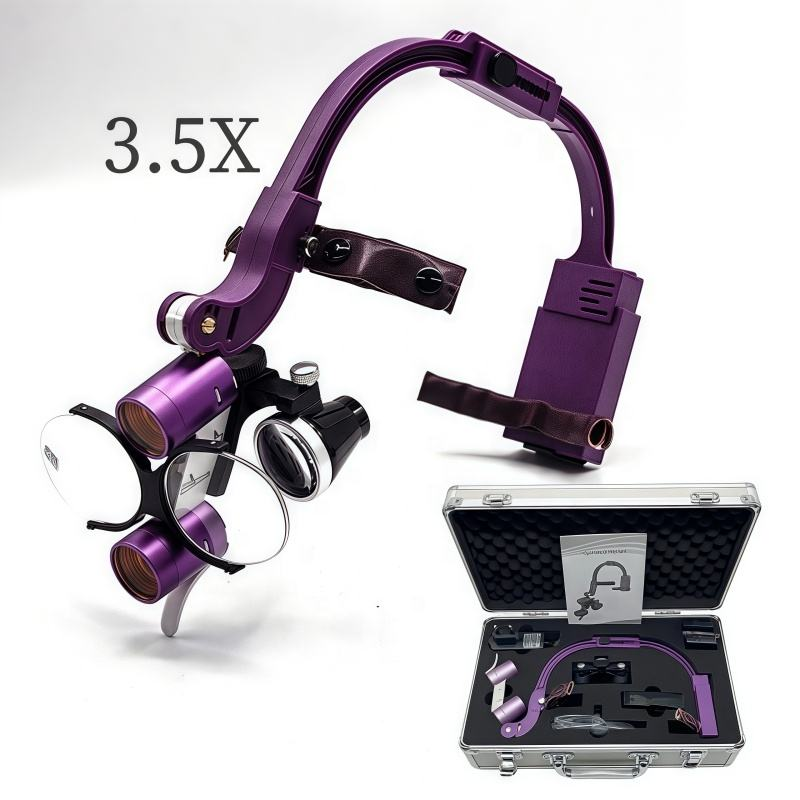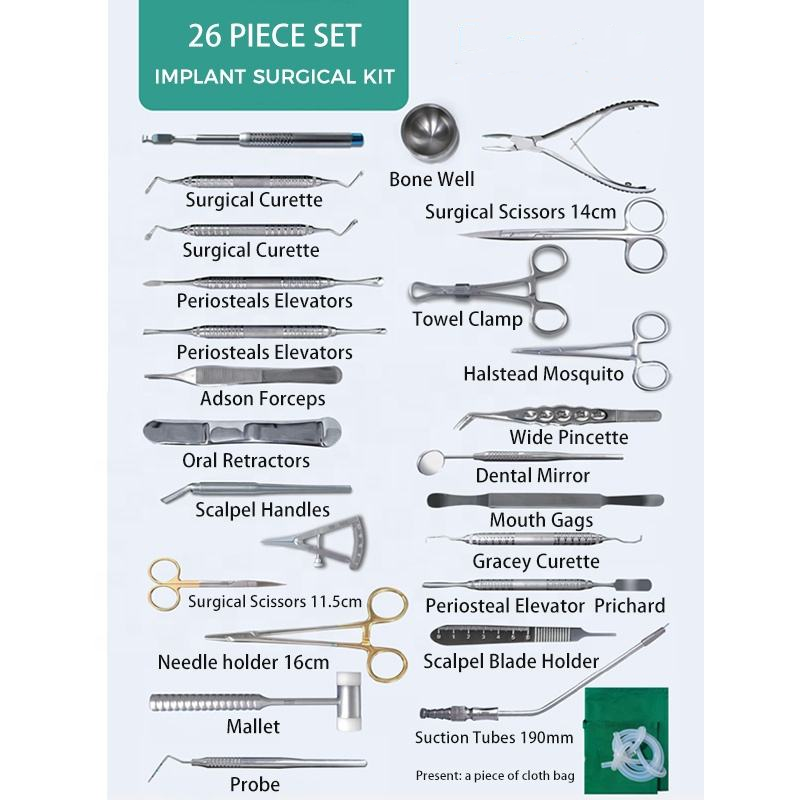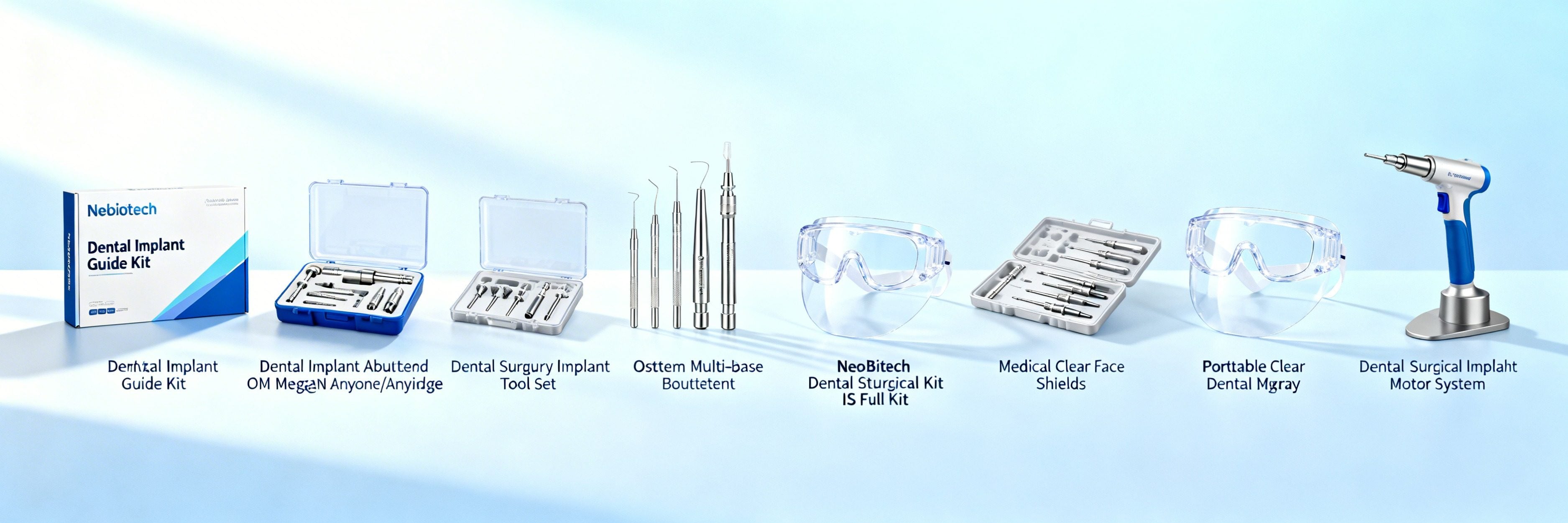
Every dental professional understands that precision is non-negotiable in clinical practice. Whether performing a routine cleaning or a complex restoration, the ability to see fine anatomical details clearly can make a significant difference in outcomes. dental loupes have become one of the most impactful tools in modern dentistry, offering magnification and enhanced clarity that the naked eye simply cannot achieve. By integrating dental loupes into daily workflows, practitioners gain a decisive advantage in both accuracy and clinical confidence.
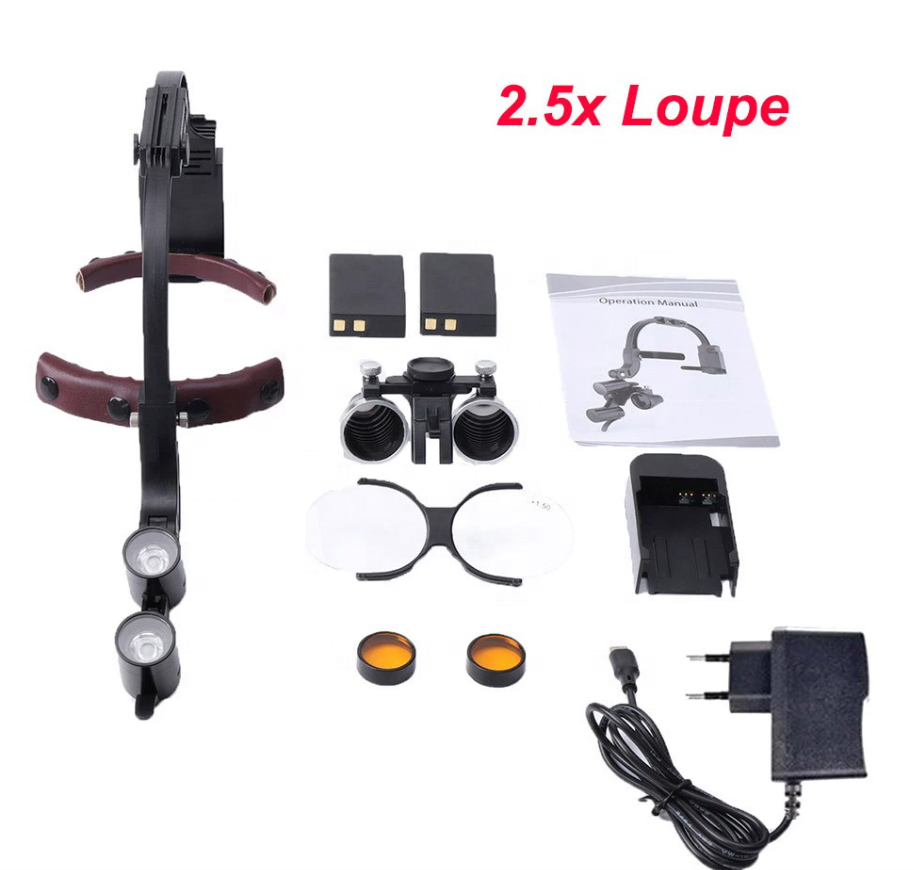
The growing adoption of dental loupes across dental clinics and surgical settings reflects a broader shift toward precision-driven care. Dental loupes are no longer considered a luxury accessory — they are increasingly regarded as essential professional equipment. Understanding exactly how dental loupes improve visibility during daily procedures helps practitioners make informed decisions about magnification levels, ergonomic fit, and integrated lighting. This article explores the specific ways dental loupes transform everyday dentistry and why they matter for long-term professional performance.
Dental loupes work by using precision-ground optical lenses mounted in a frame worn by the clinician. When a dentist looks through dental loupes, the lenses enlarge the working field by a defined magnification factor — typically ranging from 2.5x to 6x or higher. This means that structures such as fine caries margins, hairline fractures, or delicate gingival tissue become significantly more visible. Dental loupes allow professionals to detect pathological signs that would otherwise go unnoticed under standard conditions.
The optical system in dental loupes is carefully designed to deliver a wide field of view alongside the magnification benefit. High-quality dental loupes balance depth of field and working distance so that the practitioner can maintain a natural posture while staying focused on the treatment area. Dental loupes with well-calibrated optics reduce eye strain caused by squinting or leaning excessively close to the patient, which is a common complaint among clinicians who work without magnification. The result is cleaner visual data and less physical effort per procedure.
Many modern dental loupes are paired with an integrated LED headlight or built-in illumination system. This feature is particularly relevant in deeper oral cavities, where overhead operatory lights often cast shadows that obscure the working area. Dental loupes with a mounted headlight deliver a focused, co-axial light source that moves exactly with the clinician's line of sight. This eliminates shadow interference and ensures that the magnified image is also well-illuminated.
Wireless dental loupes with integrated headlights offer an added ergonomic benefit by eliminating cable restrictions. Dental loupes designed with rechargeable, lightweight headlamps allow the practitioner to move freely without adjusting external light sources. During longer procedures such as crown preparations or root canal treatments, dental loupes with consistent illumination reduce the need for frequent repositioning and improve overall procedural efficiency.
In restorative dentistry, margin accuracy is critical. Dental loupes give clinicians the ability to evaluate preparation margins, assess composite layering, and verify that final restorations sit flush against tooth structure. Without dental loupes, even experienced practitioners may miss subtle marginal discrepancies that contribute to secondary caries or restoration failure over time. With dental loupes, each step of the restorative process benefits from enhanced visual feedback.
For prosthodontic procedures such as crown and bridge work, dental loupes are particularly valuable during impression taking and cementation. Dental loupes help verify that no excess cement remains subgingivally, a leading cause of periodontal complications. Clinicians using dental loupes during cementation consistently report greater confidence in their seating verification. The investment in dental loupes pays clinical dividends in reduced retreatment rates and improved patient satisfaction.
Root canal treatment demands exceptional visibility in confined, narrow spaces. Dental loupes enable endodontists and general dentists to locate canal orifices more reliably, identify isthmus connections, and monitor file placement with greater accuracy. Dental loupes reduce the risk of procedural errors such as missed canals, perforations, or instrument separation by improving real-time visual control throughout the procedure.
In periodontics, dental loupes assist clinicians in differentiating healthy and diseased tissue more accurately during scaling, root planing, and surgical debridement. Dental loupes allow the detection of residual calculus deposits that tactile feedback alone may not reveal. For flap surgeries and osseous procedures, dental loupes provide the tissue-level magnification needed to execute suturing and bone management with precision. Dental loupes are now considered standard in many periodontal specialist practices for this reason.
One of the most clinically underappreciated benefits of dental loupes is their contribution to practitioner posture. Without dental loupes, many dentists unconsciously lean forward or crane their necks to bring their eyes closer to the patient. Over years of practice, this habit contributes to chronic cervical and lumbar strain, which is a leading cause of early career exit among dental professionals. Dental loupes encourage a more upright seated position by establishing a defined working distance at which clear magnified vision is maintained.
Dental loupes that are properly custom-fitted with the correct declination angle and inter-pupillary distance allow the clinician to work with the spine in a neutral, supported position. Dental loupes fitted for ergonomic alignment actively protect musculoskeletal health over the long term. Clinics that equip their teams with dental loupes often report reduced practitioner fatigue and fewer complaints of work-related neck and back pain. The long-term return on dental loupes extends beyond clinical quality — it supports sustainable career longevity.
Using dental loupes daily builds a more consistent clinical standard across a practitioner's work. Because dental loupes deliver the same magnification level in every appointment, the clinician develops visual benchmarks and diagnostic habits that improve overall accuracy. Dental loupes reduce the variability that comes with relying solely on unaided vision, which can be affected by fatigue, lighting conditions, or patient cooperation. Standardized visual conditions created by dental loupes contribute to more predictable outcomes.
Students and early-career professionals who adopt dental loupes from the beginning of their clinical training often develop stronger diagnostic skills and better procedural habits. Dental loupes accelerate the learning curve by making subtle details visible at a stage when pattern recognition is still being developed. For experienced clinicians, dental loupes reinforce diagnostic confidence, especially when evaluating complex or borderline clinical findings. In both cases, dental loupes serve as a consistent professional tool rather than a corrective aid.
For general dentistry, dental loupes with a magnification of 2.5x to 3.5x are typically recommended as a starting point. These levels provide meaningful visual enhancement without excessively limiting the field of view. Higher magnification dental loupes, such as 4.5x or 6x, are more common in surgical or endodontic specialties. Clinicians should select dental loupes based on their primary procedure type and personal visual comfort after a proper fitting assessment.
Yes, dental loupes can be adapted for practitioners who wear prescription eyeglasses. Many dental loupes are available in frame-mounted or flip-up styles that can incorporate corrective prescription lenses. Some manufacturers of dental loupes offer custom lens inserts to accommodate individual refractive needs. It is important to discuss your prescription requirements when ordering dental loupes so that the optical alignment is calibrated correctly for your vision.
Dental loupes can reduce overall procedure time once clinicians adapt to working with magnification. The enhanced visibility provided by dental loupes often reduces the need for repeated verification steps and repositioning of instruments. Clinicians report that dental loupes help them complete restorative and surgical procedures more efficiently because fewer visual errors require correction mid-procedure. The initial adaptation period for dental loupes typically lasts a few weeks before full procedural efficiency is realized.

 EN
EN