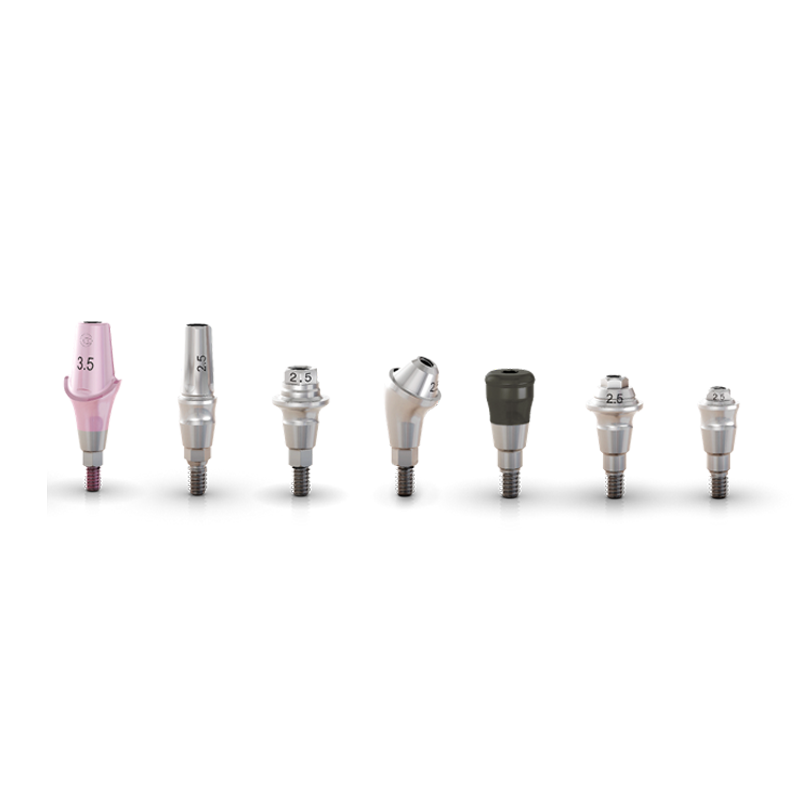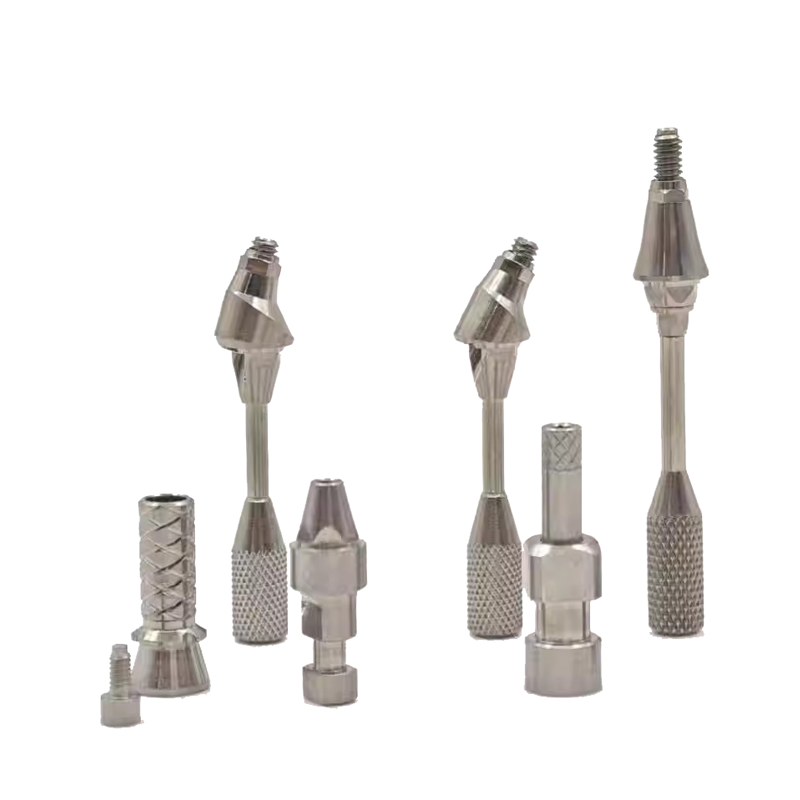
A dental abutment serves as the critical bridge between your implant fixture and the final restoration, making it essential for achieving long-term stability and functional success. Understanding how a dental abutment supports stable implant restorations requires knowledge of its biomechanical role, material properties, and integration within the implant system. The quality of your dental abutment directly influences both the esthetics and longevity of your implant restoration.
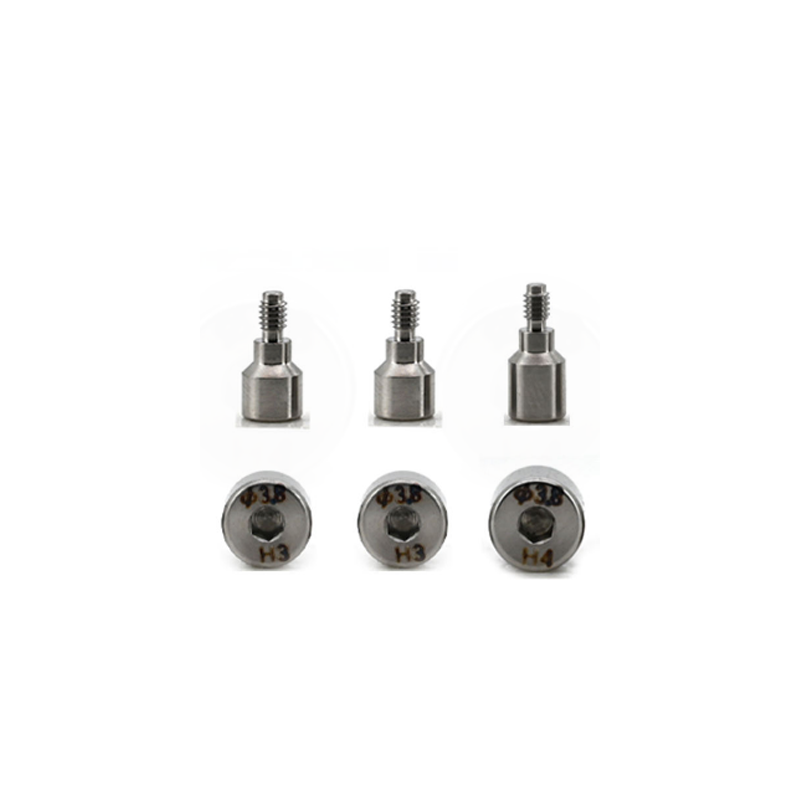
The dental implant restoration process depends heavily on proper abutment selection for implants and correct installation techniques. When you choose the right dental abutment, you establish a foundation that resists lateral forces, occlusal stress, and environmental degradation. This article explores the mechanisms through which abutments maintain restoration stability and the factors that optimize clinical outcomes.
The dental abutment functions as a load-bearing component that transmits chewing forces from the restoration down through the implant fixture into the jawbone. Effective force distribution depends on abutment geometry, material rigidity, and the precision of the connection interface. When abutment screw torque specifications are applied correctly, the connection becomes more rigid and stable, reducing micromovements that could compromise the restoration or surrounding tissues.
A properly designed abutment distributes stress more evenly across the implant-abutment interface, preventing concentration of forces that could lead to component failure or bone loss. The diameter, length, and angulation of your abutment all influence how effectively it manages lateral and vertical loads during mastication. Material selection, such as titanium versus zirconia, also affects stiffness and its ability to support long-term restoration stability.
The connection between the abutment and implant fixture must maintain mechanical integrity under years of functional stress. Abutment screw torque specifications ensure that the abutment is seated flush against the implant platform without gaps or microleakage. When torque values are too low, the connection loosens gradually; excessive torque can strip threads or cause screw fracture, compromising your dental implant restoration.
Modern implant systems use platform-switching designs where the abutment diameter is narrower than the implant shoulder, reducing stress concentration at the bone-implant interface. This design innovation, combined with proper abutment screw torque specifications, creates a more stable and durable restoration that resists environmental and mechanical challenges over decades of clinical service.
Abutment selection for implants involves evaluating multiple clinical and anatomical factors to achieve optimal stability and esthetics. Stock abutments offer standardized geometry and reliable performance for many cases, while custom abutments address unique anatomical situations, unusual implant angulations, or demanding esthetic requirements. Your selection process should prioritize restoration longevity, ease of maintenance, and compatibility with the specific implant system being used.
The location of the implant in your smile line influences whether you choose a titanium or zirconia abutment. Zirconia abutments provide superior esthetic masking of gray titanium showing through soft tissue, making them ideal for anterior cases where esthetics are paramount. Titanium abutments remain the gold standard in posterior regions where strength and cost-effectiveness matter more than color match, supporting stable implant restorations with proven long-term reliability.
Titanium abutments offer exceptional biocompatibility, high strength-to-weight ratio, and resistance to corrosion in the oral environment. These properties make titanium an excellent choice for supporting dental implant restoration in most clinical situations. Zirconia provides better optical properties and reduces allergic concerns for sensitive patients while maintaining sufficient strength for single crowns and small-span restorations.
The material you select must resist oral fluids, temperature fluctuations, and mechanical stress without degrading or causing biofilm accumulation. When abutment selection for implants prioritizes material durability, the restoration maintains its stability, function, and esthetics throughout the patient's lifetime. Ceramic-reinforced materials and newer hybrid compositions offer intermediate properties that balance esthetics, strength, and clinical performance.
Abutment screw torque specifications represent precise values determined by implant manufacturers through rigorous biomechanical testing. These specifications create the optimal preload that maintains the abutment-implant connection without causing material damage or inadequate seating. Under-torquing allows the connection to loosen, leading to crown fracture, screw loosening, or marginal tissue inflammation affecting your dental implant restoration.
Over-torquing risks screw strip-out, titanium thread deformation, or preload loss from material fatigue. Using calibrated torque drivers ensures that abutment screw torque specifications are applied consistently and accurately. Electronic torque drivers provide immediate feedback and prevent the common error of hand-tightening, which typically under-torques connections and compromises restoration stability over time.
Visual and tactile verification that the abutment seats completely against the implant shoulder is essential before applying final torque. Any gap or misfit signals a problem with abutment geometry, implant angulation, or component compatibility that must be resolved before proceeding. Radiographic confirmation ensures that the abutment is fully seated and that no voids exist at the abutment-implant interface where bacteria could proliferate.
Marginal accuracy directly correlates with the longevity of your dental implant restoration and the health of surrounding soft and hard tissues. When the abutment seats perfectly and torque specifications are applied correctly, the seal resists bacterial infiltration and inflammation. This combination of precise fit, correct material selection, and proper technique creates stable implant restorations that function reliably for 15 to 20 years or longer without clinical complications.
A dental abutment connects the implant fixture to your crown or prosthesis while transferring chewing forces safely through the implant system into the jawbone. It must resist lateral and vertical loads, maintain a hermetic seal against bacterial infiltration, and provide a platform for restoration attachment. Proper abutment function ensures that your dental implant restoration remains stable, functional, and esthetic throughout its clinical lifetime.
Abutment screw torque specifications establish the correct preload that keeps the abutment firmly seated against the implant shoulder without creating gaps or microleakage. Applying the manufacturer's specified torque value prevents screw loosening, reduces micromovements at the implant-abutment interface, and minimizes stress concentration that could damage the restoration or bone. Incorrect torque values directly compromise restoration stability and increase the risk of component failure or tissue inflammation.
Choosing the right abutment based on anatomical position, esthetic requirements, and material properties ensures that your dental implant restoration meets functional and esthetic demands. Correct abutment selection for implants optimizes force distribution, reduces biological complications, and extends restoration longevity. The right abutment material and design create an environment where tissues remain healthy and the restoration maintains stable performance without complications.

 EN