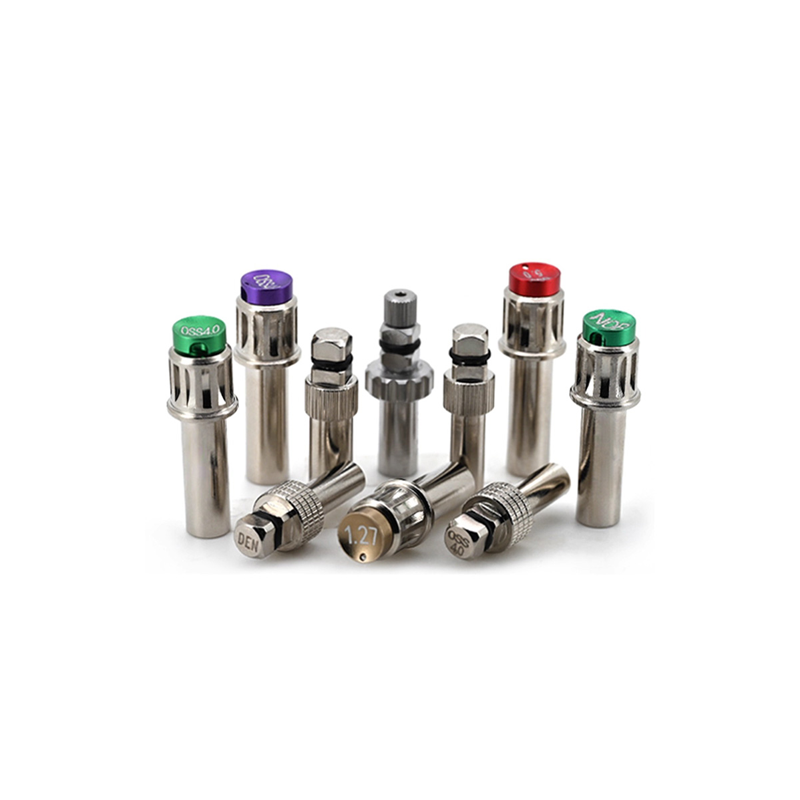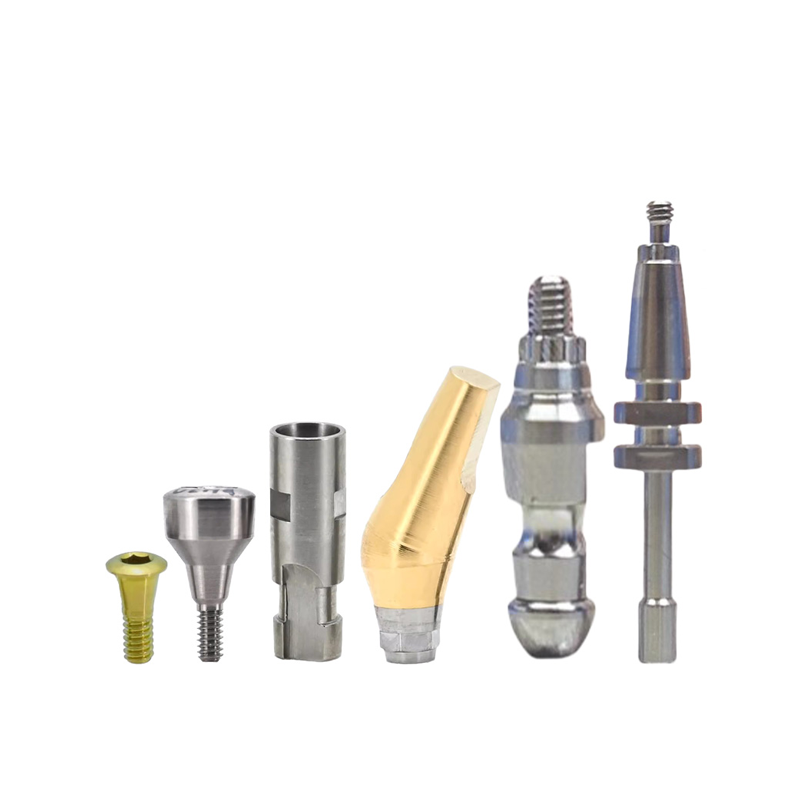
The evolution of digital dentistry has fundamentally reshaped how clinicians approach implant rehabilitation. At the center of this transformation lies the dental abutment, a critical component that connects the implant fixture to the final restoration. Modern CAD CAM technology has elevated the precision, consistency, and clinical outcomes associated with abutment fabrication, making it a cornerstone of contemporary implant dentistry. Understanding why this technology is gaining traction requires examining the technical, clinical, and economic drivers reshaping the industry.
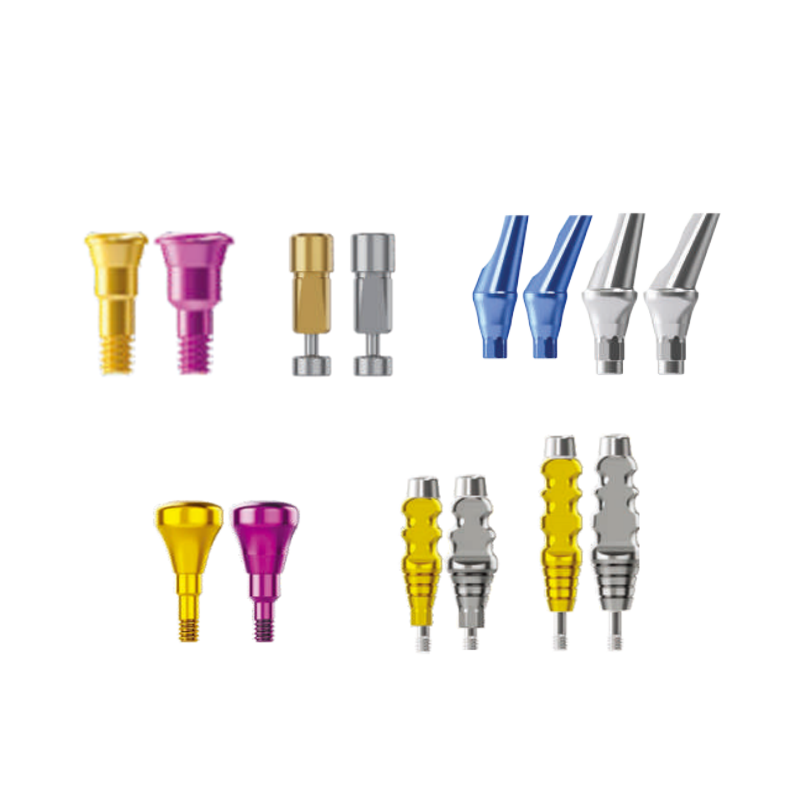
CAD CAM technology enables practitioners to design and mill custom abutment designs with submicron accuracy, eliminating the variability inherent in traditional laboratory techniques. This precision directly impacts both esthetic outcomes and long-term stability. The integration of digital workflows from implant planning through abutment delivery represents a paradigm shift toward predictability and efficiency in dental implant restoration. By combining virtual design with computer-controlled milling, clinicians now achieve restoration outcomes that were previously difficult to replicate consistently.
CAD CAM systems allow designers to create custom abutment designs that optimize contact points, emergence profiles, and angulation with extraordinary accuracy. Traditional hand-milled abutments often contain slight variations that accumulate over time, but milled components produced through CAD CAM workflows exhibit dimensional consistency across production runs. Material options now include titanium alloys, zirconia, and hybrid compositions, each selected to match specific clinical requirements. The ability to specify wall thickness, surface finish, and internal geometry at micron-level precision ensures that each dental implant restoration component performs predictably.
Modern digital dentistry platforms enable seamless communication between implant planning software and milling equipment. Clinicians import CBCT data, design virtual restorations, and automatically generate toolpaths for CNC milling without manual intervention. This integration reduces human error, accelerates production timelines, and ensures that the custom abutment design matches the virtual surgical plan precisely. The digital workflow also permits clinicians to simulate various abutment designs before committing to fabrication, reducing remake rates and improving overall case predictability.
One primary reason CAD CAM dental abutment systems are trending is their superior ability to achieve natural emergence profiles and esthetic integration. Digitally designed abutments can incorporate custom contours that guide soft tissue growth toward optimal crown margins and papilla development. This precision minimizes the occurrence of tissue recession, improves crown-to-root proportions, and enhances the final esthetic result. Clinicians can now predictably achieve restorations that blend seamlessly with natural dentition, directly addressing patient expectations for smile esthetics.
Abutment screw loosening remains one of the most frequent complications in implant dentistry, often resulting from micro-motion, stress concentration, or inadequate preload. CAD CAM design allows engineers to optimize screw thread geometry, taper angles, and internal surface finishes to reduce stress concentration and improve screw stability. By controlling these parameters digitally, manufacturers can design components that distribute loads more evenly and resist micro-motion more effectively. Studies increasingly document that precisely engineered abutments exhibit lower loosening rates compared to traditionally fabricated alternatives, directly improving long-term restoration success rates.
CAD CAM technology dramatically accelerates the fabrication timeline for custom abutment designs. Traditional laboratory processes often require multiple adjustments, reseating checks, and modifications performed during delivery. Digital workflows compress this process to hours rather than days, enabling same-day or next-day delivery in many practices. This efficiency reduces the overall treatment duration, decreases patient inconvenience, and improves practice productivity. Clinicians report reduced chair time for abutment Try-in and delivery, allowing them to allocate resources toward other clinical procedures or patient care activities.
Digital manufacturing inherently provides superior quality control compared to manual processes. Every CAD CAM abutment is produced according to exact specifications, with minimal variation between units. This consistency simplifies inventory management, reduces remake rates, and improves clinician confidence in treatment outcomes. Practices can now stock a smaller inventory of standard components while maintaining the ability to produce custom abutment designs on demand. The predictability of digital fabrication also simplifies documentation, reduces warranty claims, and improves overall business economics for dental laboratories and practices alike.
The choice depends on implant angulation, esthetic demands, and budget constraints. Stock abutments work well for straight implants in posterior regions with minimal esthetic requirements. However, custom abutment design is advantageous when implants are severely angulated, when esthetic zone restoration is critical, or when tissue contours require precise emergence profile control. CAD CAM technology makes custom solutions increasingly cost-effective, narrowing the price gap with stock alternatives while delivering superior outcomes in challenging cases.
CAD CAM systems optimize internal geometry to reduce stress concentration at critical zones, improve screw thread contact, and enhance preload retention. Digital design permits engineers to simulate stress distribution before fabrication, identify weak points, and modify geometry accordingly. Precise manufacturing ensures that each component meets design specifications exactly, whereas manual techniques often introduce microvariations that compromise screw stability. The result is lower micro-motion, improved preload maintenance, and reduced loosening rates across the restoration lifespan.
Yes, CAD CAM technology can be adapted to virtually any implant platform through custom fixture connections. Digital design permits engineers to reverse-engineer implant interfaces and create compatible abutments that match original specifications precisely. This compatibility enables practices to upgrade to digital fabrication workflows without replacing existing implant stock. Many manufacturers now offer CAD CAM abutments compatible with multiple implant platforms, providing clinicians flexibility in component selection and sourcing.
 EN