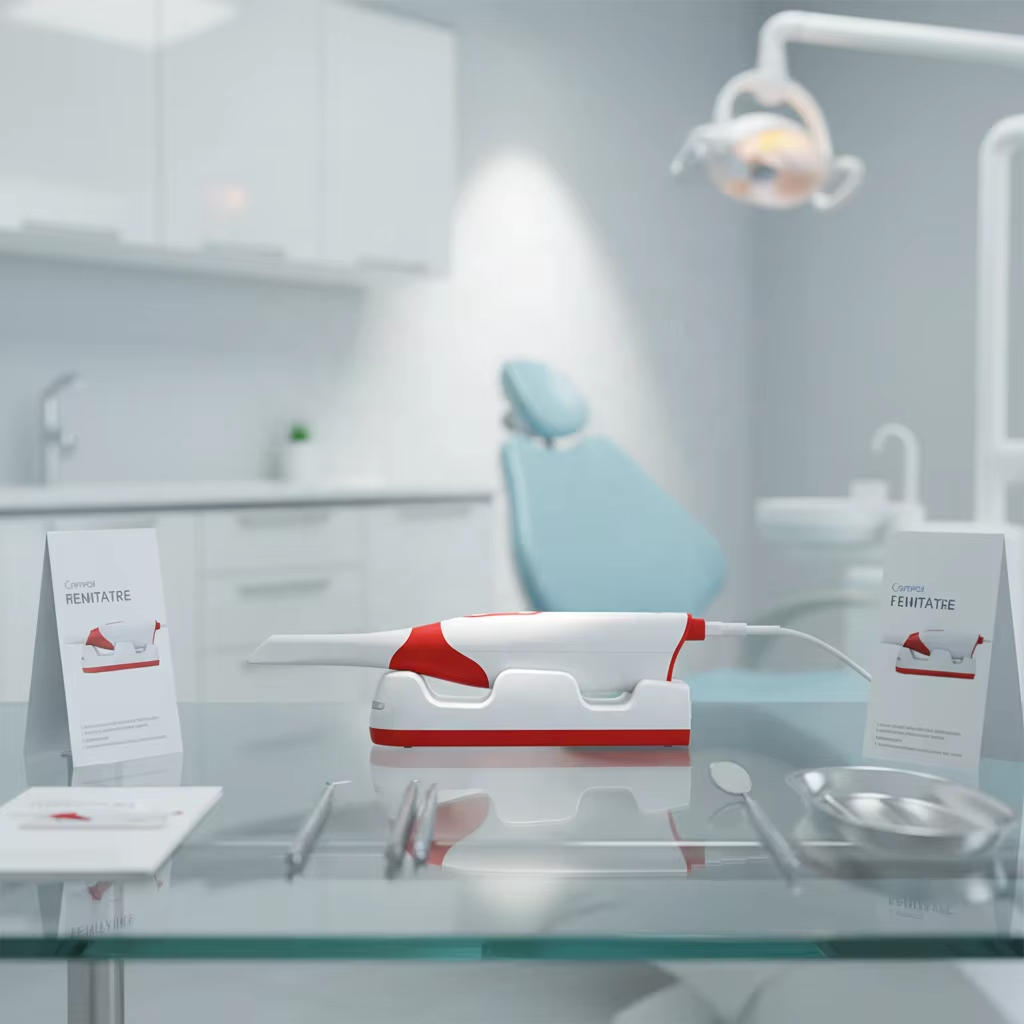
Modern clinical dentistry is undergoing a profound structural transformation driven by the digital dentistry workflow. At the center of this shift is the oral scanner, an advanced tool that has fundamentally changed how clinicians capture, communicate, and utilize patient dental data. Rather than relying on messy analog materials that cause patient discomfort and introduce structural errors, modern practices utilize an oral scanner to establish faster, highly predictable, and patient-friendly digital impressions. Understanding why the oral scanner holds such a critical position requires a closer look at the complete digital dentistry workflow and the specific operational gaps this technology fills. Integrating a clinical oral scanner optimizes the digital dentistry workflow from start to finish.
The financial and clinical impact of an oral scanner extends far beyond convenience. This device functions as the vital data-capture entry point in a chain of automated procedures including dental CAD/CAM systems, chairside milling, 3D printing, and virtual diagnostics. When data entering the digital dentistry workflow is structurally precise, complete, and digitally native, every downstream step benefits. Costly errors caused by material shrinkage are completely eliminated. For ambitious clinics focused on delivering consistent quality, minimizing remakes, and modernizing patient care, investing in a professional oral scanner is a strategic necessity to support successful same-day dentistry. Implementing an oral scanner ensures that dental CAD/CAM capabilities operate at peak performance, making same-day dentistry highly profitable.
Traditional clinical impressions require a tray loaded with chemical material placed into a patient's mouth, requiring a long setting time before shipping a fragile physical mold to a laboratory. This manual approach introduces multiple operational errors: materials can easily distort, physical models break, and technicians must spend time digitizing the mold. A high-performance oral scanner bypasses this entire analog sequence by capturing precise digital impressions of patient teeth and soft tissues in real time.
When a practitioner captures digital impressions with an oral scanner, the resulting electronic data is instantly available for chairside review, secure cloud transmission, and automated dental CAD/CAM processing. There is no waiting for material setting, zero risk of physical damage during shipping, and no need for manual digitization. This direct bridge from clinical scanning to clean data compresses the general digital dentistry workflow timeline and ensures that the original integrity of the digital impressions is preserved throughout production. For modern practices operating a dedicated same-day dentistry model or in-house dental CAD/CAM systems, the oral scanner is completely indispensable. Without its diagnostic capture capability, the core speed advantage of chairside dental CAD/CAM processing disappears. The physical device is the mandatory entry point through which the physical oral cavity securely transitions into the digital dentistry workflow.
Every successive step in a modern digital dentistry workflow depends entirely on the initial scanning data. Whether the next operational phase involves designing an anatomical crown within specialized dental CAD/CAM software, simulating orthodontic tooth movement, or fabricating an implant surgical guide, the original accuracy of the oral scanner determines final clinical success. High-resolution digital impressions supply technicians with the structural data richness they need to execute advanced dental CAD/CAM fabrication. Current oral scanner equipment generates universal file formats that integrate flawlessly with leading dental CAD/CAM platforms, modern milling systems, and guided surgery software. When oral scanner exports interface smoothly with multiple downstream systems, the practice maintains total flexibility to work with diverse laboratories and fabrication partners without being locked into a single closed ecosystem, cementing a smooth digital dentistry workflow.
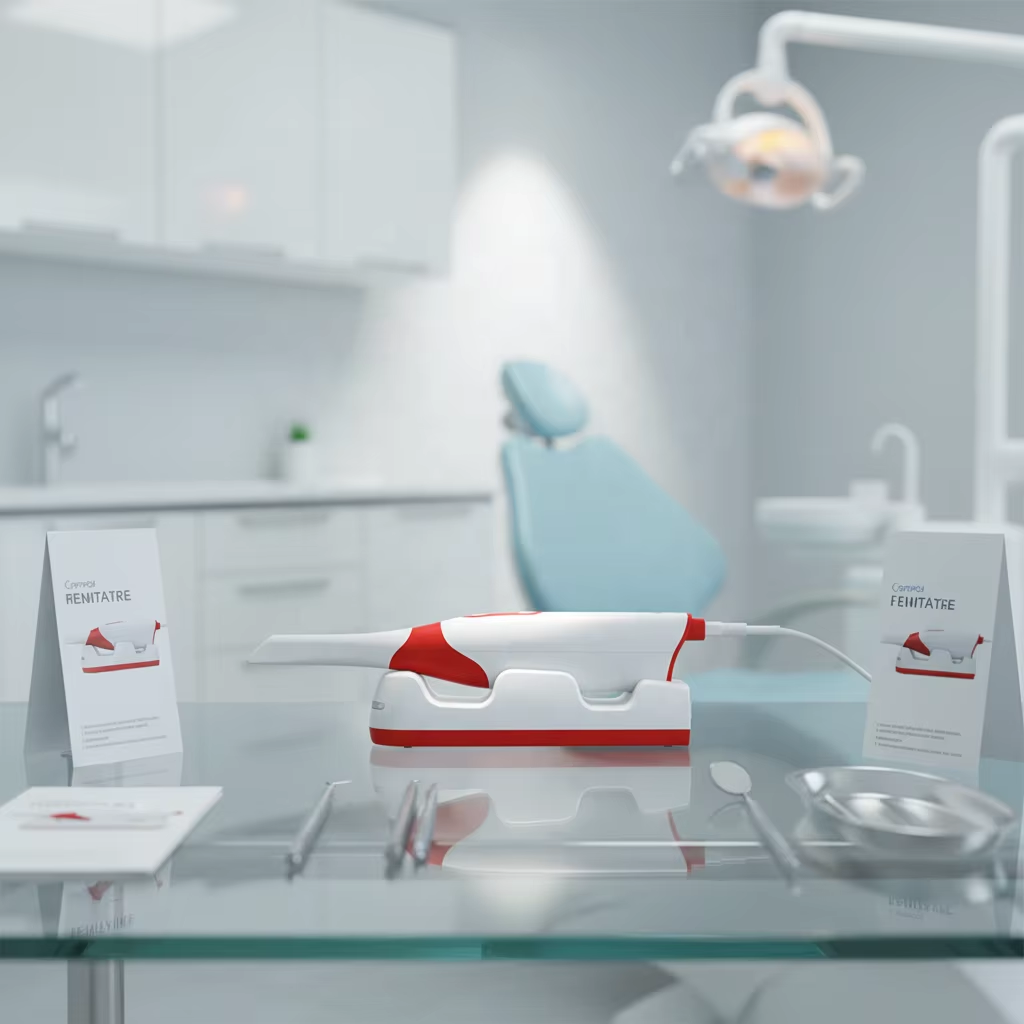
A major reason modern practices adopt a clinical oral scanner is the immediate enhancement of the patient experience, which directly supports same-day dentistry. Material tray impressions regularly trigger severe gags, causing anxiety for patients. The lightweight wand of a contemporary oral scanner captures full dental digital impressions quickly, allowing the patient to breathe, swallow, and pause comfortably throughout the session. Patient acceptance of digital impressions over conventional impression trays is remarkably high across clinical research data. When patients realize they do not have to endure sticky materials, appointment anxiety drops, cooperation increases, and case acceptance for advanced same-day dentistry rises. Most oral scanner systems display the 3D dental model on a chairside screen in real time during the scan. This visual clarity builds immense patient trust, simplifies complex treatment discussions, and helps patients visually understand the necessity of restorative care planned via dental CAD/CAM systems.
A professional oral scanner minimizes failed impressions, which represent a significant hidden cost in old analog setups. In contrast, digital impressions can be evaluated instantly on screen, optimizing general digital dentistry workflow tracking. The structural precision of a premium oral scanner limits costly crown remakes caused by poor occlusion or blurred margin definition. When digital impressions accurately represent the hard and soft tissue anatomy, laboratory technicians or in-house dental CAD/CAM machines can fabricate a restoration that fits perfectly on the first try. This high accuracy supports a successful same-day dentistry workflow, lowering operational material expenses and maximizing daily room utilization. From a practice documentation perspective, files generated by an oral scanner form a permanent, secure record of a patient's intraoral status within the digital dentistry workflow, enabling smooth dental CAD/CAM record tracking.
Introducing an oral scanner collapses treatment timelines completely. Digital impressions are transmitted to the lab in seconds, and if the clinic operates an in-house dental CAD/CAM unit, final restorations are produced within a single clinical visit, enabling profitable same-day dentistry. Practices implementing an oral scanner as part of a modern same-day dentistry strategy achieve significant increases in production per hour, especially for single-unit crown fabrications and implant prosthetics. For advanced implant placement, the oral scanner streamlines the complete digital dentistry workflow by delivering accurate soft-tissue scans that merge seamlessly with 3D bone data for dental CAD/CAM planning. Internal staff productivity also experiences a massive boost from oral scanner adoption. Clinical assistants can easily be trained to capture full-arch digital impressions, delegating this time-consuming task away from the main doctor. This smart workflow model optimizes the digital dentistry workflow, allowing dentists to devote their time to complex surgical choices and dental CAD/CAM planning.
Not all oral scanner systems deliver the same level of operational clinical success, and picking the right system requires checking key software and hardware variables. Scanning precision is measured in microns, with premium clinical devices achieving high accuracy necessary for extensive bridge work, aligner planning, and implant placement within a digital dentistry workflow. Scanning speed influences patient comfort and overall digital dentistry workflow output. A fast oral scanner captures full-arch digital impressions in under a minute, which is invaluable for complex restorative cases or same-day dentistry tracking. The physical oral scanner wand is only as efficient as the software environment it operates within. Clinicians must confirm that the underlying software supports simple file manipulation, accurate bite registration, and fast lab communication, and that it exports open, unencrypted file types to standard dental CAD/CAM software. Smooth integration with existing practice management software ensures that an oral scanner links diagnostic data directly into centralized patient files, optimizing the digital dentistry workflow.
An oral scanner is the primary capture tool that transforms physical oral anatomy into a clean digital format. Without accurate digital impressions from an oral scanner, downstream dental CAD/CAM design tools, 3D printers, and milling systems cannot operate. It is the indispensable entry layer for the entire digital dentistry workflow, and its initial precision governs final restoration fit for same-day dentistry.
An oral scanner generates precise three-dimensional files that bypass the dimensional distortions typical of old tray materials. Dentists check the digital impressions on screen instantly, rescanning any missing margin lines before sending files to the lab. This real-time quality check eliminates restoration remakes, saving chair time and lowering overall clinical expenses for dental CAD/CAM fabrication and same-day dentistry.
An oral scanner eliminates manual plaster pouring and courier shipping times by sending digital impressions to chairside design software instantly. This immediate data transmission enables a smooth same-day dentistry model, allowing clinicians to scan, design with dental CAD/CAM tools, mill, and deliver a final ceramic restoration within a single patient appointment, streamlining the entire digital dentistry workflow.
 EN
EN