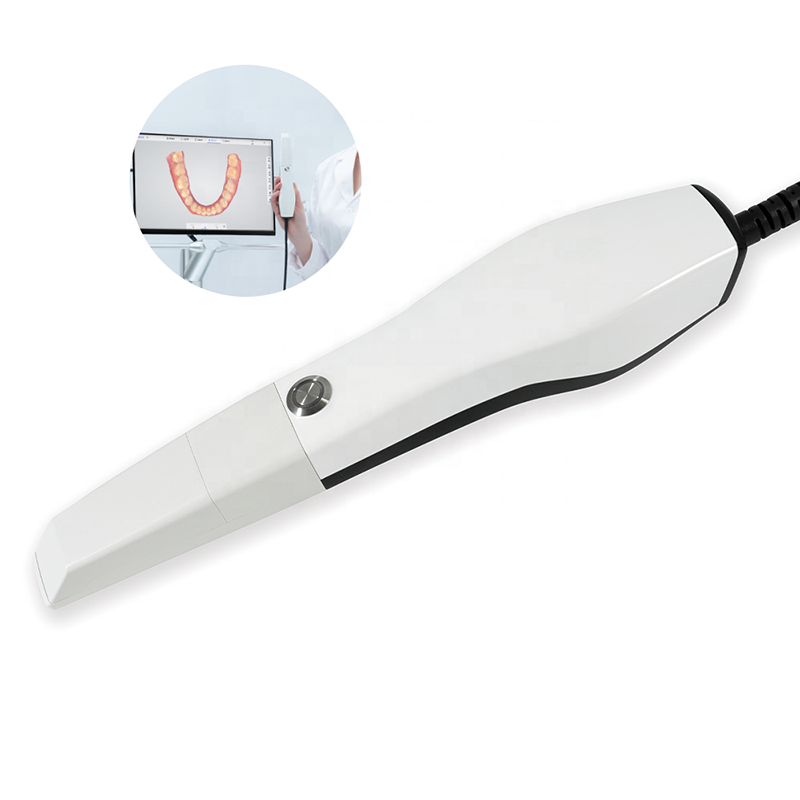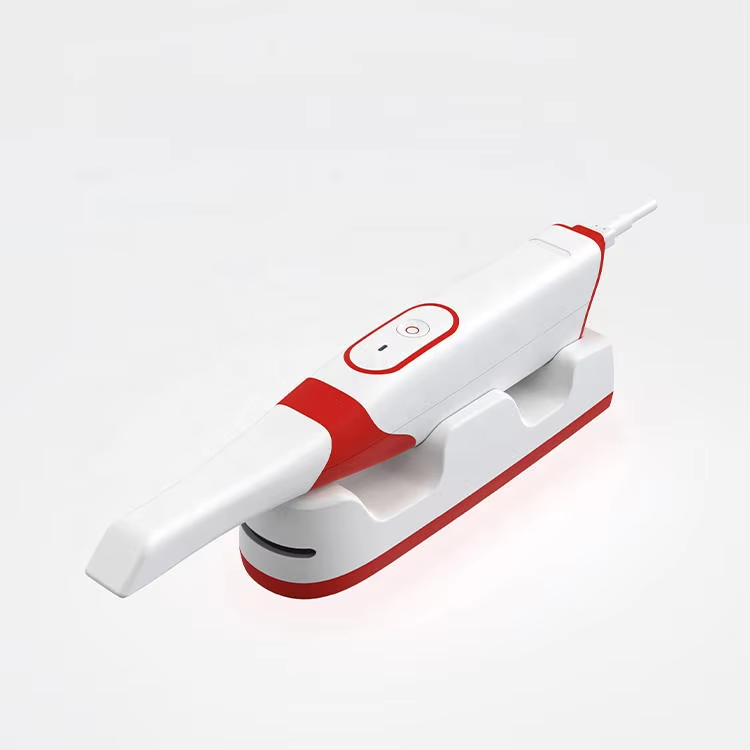
Choosing the right clinical equipment is a major milestone for any dental practice. The market has evolved rapidly, moving from basic digital tools to highly complex diagnostic platforms. To make a wise investment, procurement managers must look beyond marketing hype and understand which specific variables alter clinical outcomes. Evaluating real-world oral scanner features ensures that your clinic balances clinical performance with sustainable financial health.
An advanced digital impression device is no longer an exclusive luxury for high-volume specialty clinics; it has become the standard baseline for daily workflow optimization. Today, practices of all sizes integrate these tools to satisfy rising patient demands for comfort and to support efficient laboratory communication. Understanding how key design choices impact daily production requires a deep analysis of technology parameters, from system software boundaries to long-term lifecycle economics.
At the center of any equipment evaluation is dental intraoral scanner accuracy. This metric determines how faithfully a device records intraoral anatomy, margins, and complex occlusal relationships in three dimensions. Even minor micrometric deviations can result in poorly fitting restorations, extended chairside adjustment times, and frequent patient complaints. When analyzing oral scanner features, understanding the distinction between trueness and precision is non-negotiable for predictable prosthodontics.
Trueness represents how closely the digital model matches the physical dimensions of the mouth, while precision represents the consistency of identical scans across multiple clinical sessions. Both elements of dental intraoral scanner accuracy should be validated via independent clinical studies rather than relying on manufacturer specification sheets. High sensor resolution yields dense data point clouds, allowing downstream design software to track marginal boundaries with high reliability and minimizing manual correction efforts.
A critical detail often overlooked during the procurement process is the difference between single-preparation tracking and full-arch scanning demands. While many standard units achieve excellent results on a single crown preparation, cumulative software errors can manifest as the data acquisition field expands. Clinics specializing in comprehensive implant planning, clear aligner orthdontics, or sleep apnea appliances must invest in a capable full-arch oral scanner to guarantee alignment predictability.
Cumulative dimensional drift in full-arch oral scanner data typically occurs during the digital stitching phase, where sequential images are linked in real time by the internal algorithm. Advanced software logic compensates for patient movement and highly reflective surfaces, preserving dental intraoral scanner accuracy across the entire arch. Prioritizing a dedicated full-arch oral scanner minimizes spatial distortion, ensuring that large-span bridges and surgical guides line up perfectly on the first try.
Clinical scanning speed alters both daily office productivity and the patient experience. A fast system minimizes active chairside time, which is invaluable when treating pediatric patients, elderly individuals, or patients with sensitive gag reflexes. From an operational efficiency perspective, accelerating data capture directly improves daily appointment throughput without sacrificing clinical results.
High-velocity capture is driven by the internal sensor frame rate, real-time rendering algorithms, and processing power. Modern oral scanner features include intelligent software that continuously compiles data without requiring the operator to pause or reset the scan path. The goal is to choose an efficient full-arch oral scanner that captures comprehensive data rapidly while maintaining the strict dental intraoral scanner accuracy necessary for high-end milling and laboratory fabrication.
Real-world productivity depends heavily on the ecosystem surrounding the device. Real-time visual feedback on the chairside monitor helps operators spot gaps, processing voids, or motion artifacts immediately. This allows clinicians to rescan specific areas on the fly, eliminating the need to remake an entire physical impression if a margin is unclear.
Furthermore, implementing an open-format oral scanner provides long-term flexibility for laboratory collaboration. An open-format oral scanner exports unencrypted STL or PLY data files effortlessly, integrating with a wide variety of third-party design platforms and in-house printing setups. Avoiding closed, proprietary architectures via a universal open-format oral scanner protects your business from vendor lock-in and prevents unexpected translation licensing fees down the road.
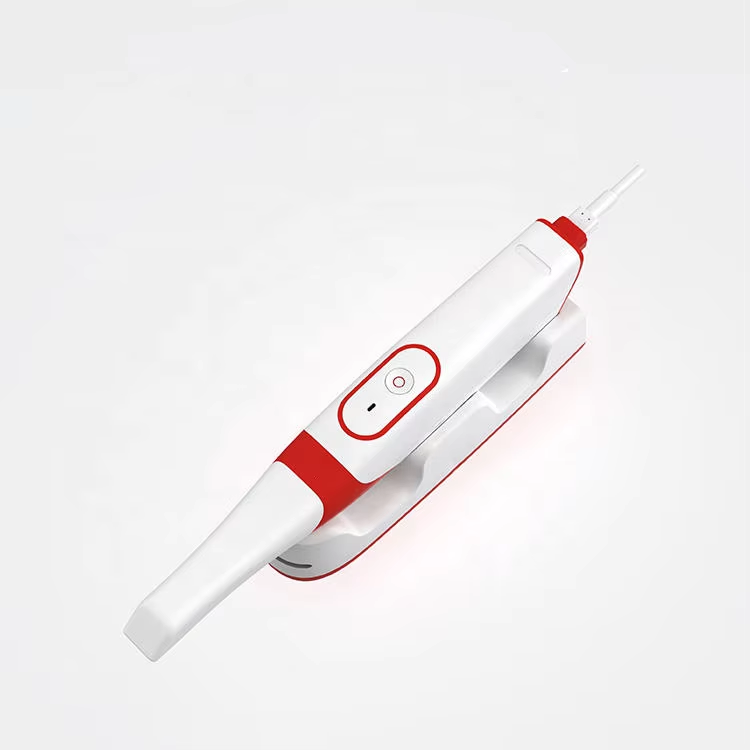
The physical layout of the scanning wand is one of the most critical oral scanner features affecting daily clinician adoption. A lightweight, balanced wand minimizes hand fatigue during back-to-back clinical sessions and simplifies posterior quadrant access. Slimmer tip geometry allows operators to navigate narrow dental arches comfortably, enhancing patient cooperation.
Infection control protocols are equally vital when reviewing overall oral scanner features. Whether the device utilizes autoclavable tip sleeves or disposable covers alters both turn-around times and per-procedure hygiene expenses. Evaluating these administrative details alongside dental intraoral scanner accuracy prevents long-term bottlenecks in room sterilization workflows.
Early digital impression methods required applying an opaque titanium dioxide powder to reflective enamel and metal restorations. Modern oral scanner features include advanced optical technologies that capture clear images without surface preparation. This powder-free approach saves significant chairside preparation time and improves patient comfort.
Comprehensive soft-tissue tracking is another indicator of high dental intraoral scanner accuracy. Capturing palatal structures and mobile gingival boundaries reliably allows an open-format oral scanner to produce complete diagnostic data. Ensuring your full-arch oral scanner tracks complex edentulous ridges expands the practice's capability to offer guided implant treatments and digital dentures with total confidence.
The purchase price of medical hardware is only one element of a complete financial analysis. Strategic buyers must evaluate total dental scanner TCO, which includes hidden operational expenses like disposable tips, annual software subscription fees, and mandatory data storage contracts. A device with a low initial retail price but high recurring software fees can easily exceed the dental scanner TCO of a premium system over a standard five-year cycle.
On the revenue side, calculating dental scanner TCO requires balancing ongoing costs against new practice profits. A high-performance full-arch oral scanner enables profitable same-day restorations, drops laboratory remake rates to near zero, and serves as an engaging patient visual education tool. Quantifying these clinical time savings helps practices justify the initial capital allocation while ensuring long-term dental scanner TCO remains highly favorable.
Even a system boasting elite dental intraoral scanner accuracy will underperform if the clinical team struggles to operate it. Comprehensive onboarding programs, hands-on technique coaching, and readily available technical assistance are essential oral scanner features to check before purchasing. Comprehensive vendor implementation minimizes operational downtime, allowing the practice to achieve a rapid return on investment.
System reliability and hardware durability are core components of managing long-term dental scanner TCO. Cart-based setups provide stable processing power and large screens for model analysis, while compact setups offer excellent operatory mobility. Choosing a durable open-format oral scanner backed by a reliable warranty network ensures your practice maintains continuous digital dentistry production for years to come.
How do specific oral scanner features influence restoration fit? The integration of precise sensors and processing algorithms governs final restoration fit by ensuring excellent dental intraoral scanner accuracy. High-trueness scanning captures margin definitions cleanly, allowing labs to produce crowns that seat with minimal manual occlusion adjustments.
Why should a modern clinic prioritize an open-format oral scanner? An open-format oral scanner guarantees long-term operational freedom by exporting standard files like STL. This universal connectivity allows doctors to shift between specialized laboratories, design modules, and milling units without encountering proprietary encryption walls that inflate dental scanner TCO.
What factors cause dimensional drift in a full-arch oral scanner? Dimensional drift during large-span scanning typically stems from poor software stitching logic as the wand sweeps along the arch. Choosing a specialized full-arch oral scanner ensures the software accurately aligns overlapping image frames, preserving dental intraoral scanner accuracy across complex quadrants.
How can a procurement manager properly calculate dental scanner TCO? To calculate true dental scanner TCO, you must add the initial purchase price to all recurring lifetime expenses, including maintenance warranties, mandatory software licensing updates, and consumable scanning tips. Balancing these expenses against chairside time savings provides an accurate overview of long-term lifecycle economics.

 EN
EN