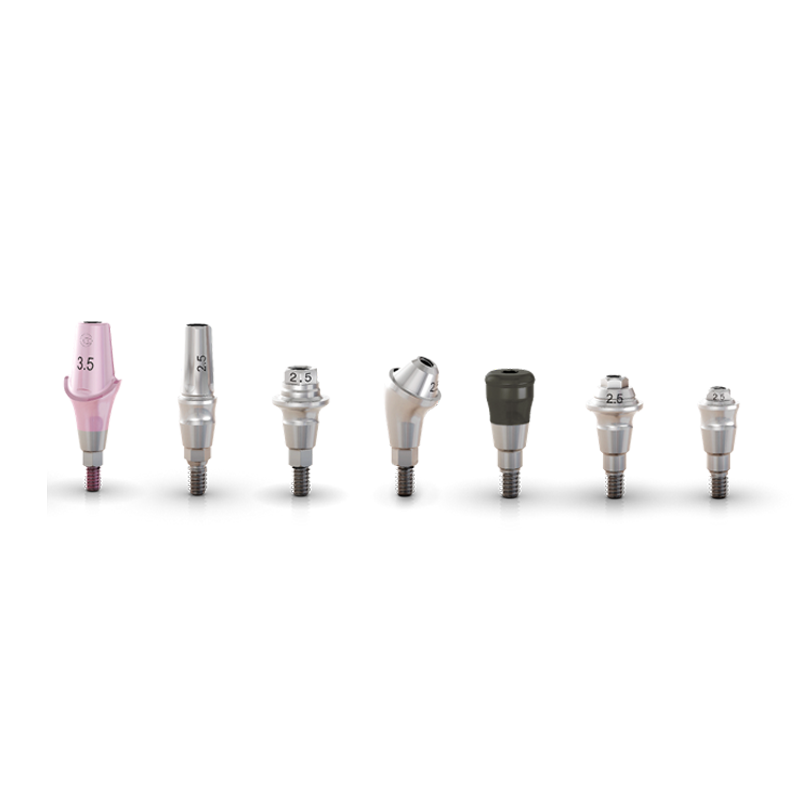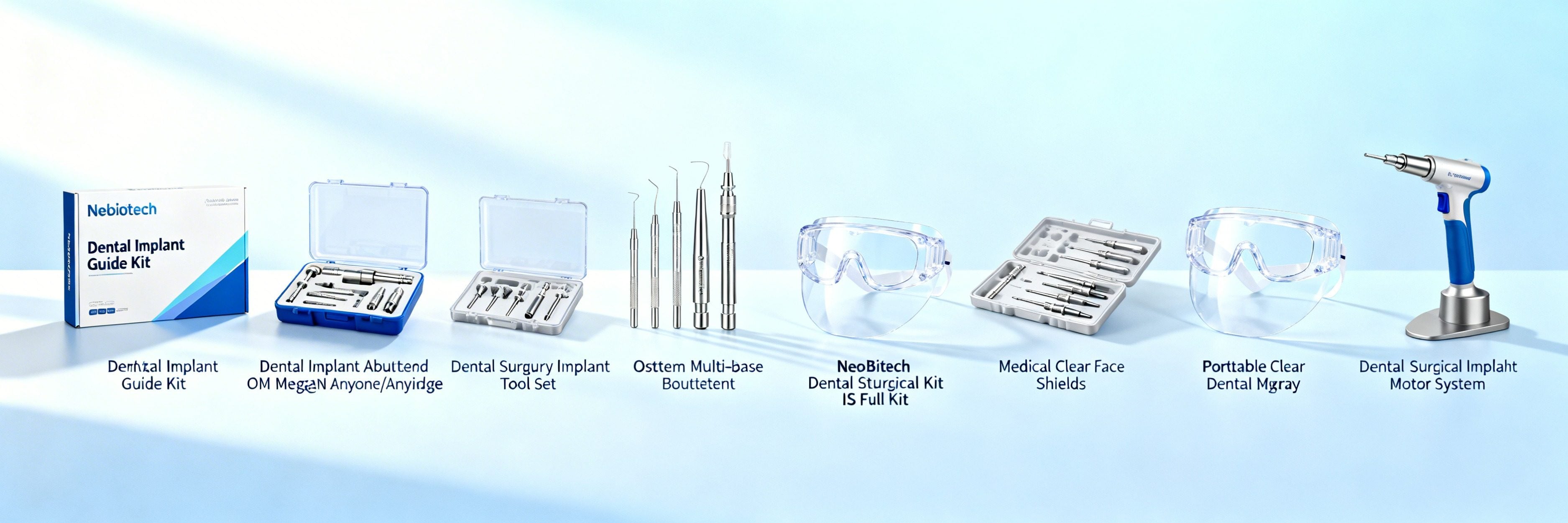
Sourcing quality dental handpiece products is one of the most critical decisions importers must make when building their dental equipment inventory. A dental handpiece serves as the primary cutting and shaping instrument in clinical practice, directly impacting patient outcomes and practitioner efficiency. Understanding what to evaluate during the sourcing process ensures you select products that meet clinical standards, offer long-term reliability, and provide genuine value to your customers.
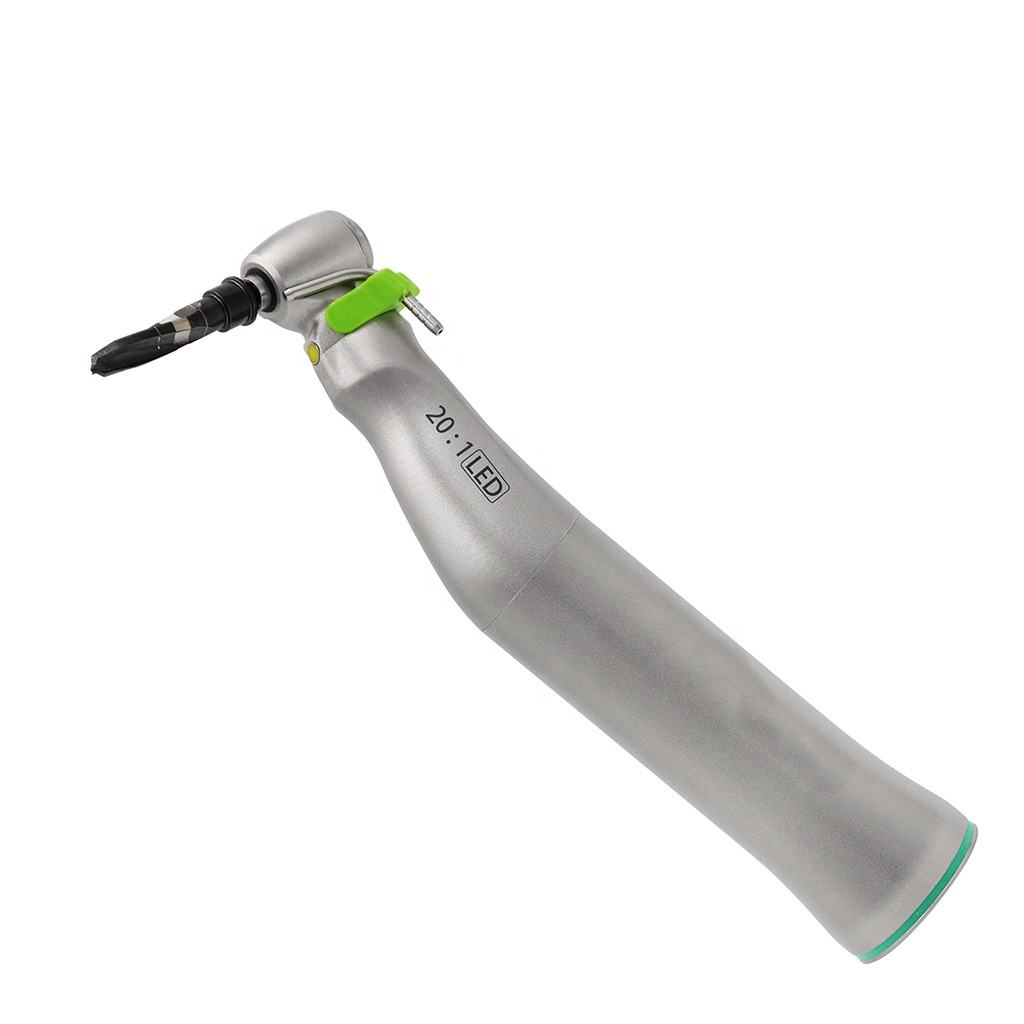
When evaluating potential suppliers and products, importers must balance technical specifications, regulatory compliance, durability, and total cost of ownership. This guide walks you through the essential criteria that separate premium dental handpiece offerings from mediocre options, helping you make informed purchasing decisions that strengthen your market position.
The motor performance of a dental handpiece directly determines its clinical capability and treatment efficiency. High-speed dental handpiece specifications typically range from 300,000 to 400,000 revolutions per minute, while low-speed handpieces operate between 5,000 and 40,000 rpm depending on their specific application. Importers should verify that the motor delivers consistent torque under load, as inconsistent power delivery leads to treatment delays and potential complications.
Beyond raw speed numbers, the handpiece must maintain performance stability during extended clinical sessions without overheating or losing power. Request technical documentation confirming motor durability ratings, thermal management systems, and noise levels. Handpieces that generate excessive heat or vibration compromise clinician comfort and patient safety, making thermal efficiency a non-negotiable specification for importers evaluating suppliers.
The physical design of a dental handpiece significantly impacts daily usability in clinical settings. Weight distribution, grip diameter, and balance point affect practitioner fatigue during lengthy procedures. High-speed dental handpiece specifications should include ergonomic measurements such as balanced weight centered in the handgrip, reduced vibration transmission, and a comfortable grip circumference that accommodates various hand sizes.
Importers should request demonstration units or detailed ergonomic testing data before committing to bulk orders. The best dental handpiece design minimizes hand strain while maintaining precise control, directly contributing to clinician productivity and job satisfaction. Product samples allow you to assess tactile quality, button responsiveness, and overall build feel that specification sheets alone cannot convey.
Dental handpiece maintenance and sterilization standards govern how frequently instruments can be reprocessed without degradation. The handpiece must withstand autoclave cycles at temperatures up to 135 degrees Celsius and pressures of 2.7 bar without material breakdown, seal failure, or performance loss. Importers should verify that the handpiece exterior materials, internal seals, and bearing surfaces remain stable through repeated sterilization exposure required for clinical practice.
Critical design features supporting sterilization include removable components that permit thorough internal cleaning, sealed bearing housings that prevent moisture ingress, and materials resistant to corrosion from autoclave chemicals and water mineralization. Dental handpiece maintenance procedures documented by the manufacturer should explicitly confirm compatibility with standard sterilization protocols used in most dental practices, reducing support issues and customer dissatisfaction.
Proper lubrication extends the operational life of dental handpiece bearings and reduces maintenance costs significantly. Importers should evaluate whether supplied handpieces include integrated lubrication systems or require manual oil application between uses. Modern dental handpiece maintenance protocols recommend lubrication every day of clinical use, with manufacturers specifying particular oil grades and application methods to prevent over-lubrication that attracts debris.
Ask suppliers about warranty coverage related to maintenance compliance and typical bearing replacement intervals under normal clinical use. Handpieces requiring excessive maintenance or specialized oils increase customer support burden and reduce market attractiveness. Transparent maintenance guidance, readily available replacement parts, and reasonable service intervals demonstrate supplier commitment to long-term product reliability.
All dental handpiece products must meet established regulatory standards including ISO 1402 specifications for high-speed instruments and ISO 7785 for low-speed handpieces. Importers should request verification that sourced handpieces comply with these international standards plus any region-specific requirements in your target markets. Certification documentation from recognized testing bodies provides legal protection and demonstrates genuine manufacturing quality.
Beyond compliance documents, evaluate manufacturer quality assurance processes, material sourcing practices, and production facility standards. Third-party audits and certifications such as ISO 13485 for medical device manufacturing provide confidence in consistent product quality across production batches. Products lacking proper certification pose legal liability risks and damage professional reputation when regulatory issues emerge.
Reliable dental handpiece repair and troubleshooting support determines long-term customer satisfaction and repeat business. Evaluate whether suppliers provide detailed troubleshooting guides, video resources, or technical hotline support for common issues like vibration, noise, or loss of power. Handpieces experiencing frequent failures damage customer relationships and generate warranty claims that reduce profit margins.
Importers should establish clear agreements regarding warranty terms, repair turnaround times, and replacement policies for defective units. Ask suppliers about typical failure rates, common failure modes, and preventive measures documented in field data. Access to replacement parts, repair kits, and authorized service centers in your region minimizes downtime when customers encounter issues and builds confidence in product durability.
Evaluating supplier reliability protects your import business from disruptions and quality inconsistencies. Verify production capacity can meet your volume requirements without extended lead times or capacity constraints that delay deliveries. Request information about manufacturing facilities, quality control checkpoints, and raw material sourcing to understand production stability and potential supply chain risks.
Establish relationships with suppliers demonstrating long operational history, financial stability, and positive customer references in your industry. Site visits to manufacturing facilities reveal production standards, worker training levels, and quality systems that affect final product consistency. Suppliers with transparent operations, established quality histories, and responsive communication channels reduce sourcing risk and support sustainable business growth.
Purchase price represents only one component of total cost when importing dental handpieces. Consider maintenance expenses, warranty coverage, spare parts availability, and expected service life when comparing supplier offerings. A slightly higher-priced handpiece with excellent durability and maintenance support often delivers better value than cheaper alternatives requiring frequent repairs or premature replacement.
Calculate long-term costs by estimating usage cycles, maintenance intervals, typical failure rates, and replacement parts needed over the product lifecycle. Premium dental handpiece products often demonstrate superior reliability that reduces customer support burden and warranty claims. Volume discounts, payment terms, and logistics arrangements also impact true acquisition costs, so negotiate comprehensively beyond initial unit pricing.
High-speed dental handpiece specifications emphasize cutting efficiency for crown preparation and general restorative work, operating at 300,000 to 400,000 rpm with minimal torque. Low-speed handpieces deliver higher torque at reduced speeds suitable for implant placement, endodontics, and polishing applications. Selection depends on clinical use cases and practice workflow requirements, so importers should stock both types to serve diverse customer needs.
Dental handpiece maintenance and sterilization should occur after every clinical use according to manufacturer protocols and infection control standards. This typically means daily lubrication, weekly deep cleaning, and regular autoclave sterilization cycles. Importers should communicate these requirements clearly to customers through documentation and support resources to ensure products achieve their expected operational life.
Standard dental handpiece repair and troubleshooting warranties typically cover manufacturing defects for one to three years, though specific terms vary by supplier. Premium suppliers often provide extended warranties, free replacement of early failures, and accessible repair services. Importers should negotiate clear warranty terms before purchasing and ensure suppliers honor commitments promptly to maintain customer satisfaction and business credibility.

 EN