In today’s high-demand clinical environment, dental teams must deliver precise care while maintaining patient flow. As schedules become fuller and treatment complexity increases, many practices ask whether modern dental systems truly improve efficiency or simply add new technology to manage.
The answer is yes—when implemented correctly. Modern dental systems can significantly improve dental clinic efficiency by reducing procedure time, minimizing errors, streamlining communication, and supporting better resource utilization. Technologies such as integrated surgical motor platforms and digital dental imaging systems are now central to these gains.
Many clinicians associate efficiency with speed alone, but true dental clinic efficiency is broader. It includes:
Modern dental systems improve multiple stages of the workflow simultaneously. By integrating functions that previously required separate devices and manual adjustments, practices can eliminate many small delays that accumulate throughout the day.
For busy clinics, even a few minutes saved per patient can create substantial weekly capacity without increasing working hours.
One reason modern dental systems deliver measurable gains is workflow integration. Instead of relying on multiple disconnected devices, clinicians can manage procedures through centralized platforms that combine control, monitoring, and documentation.
This reduces:
When systems work together seamlessly, dental clinic efficiency improves across the entire patient journey rather than during only one procedure.
High-volume practices often operate near capacity. Improved efficiency allows teams to:
Modern dental systems also reduce cognitive workload by automating repetitive tasks and standardizing workflows, helping clinicians maintain performance throughout the day.
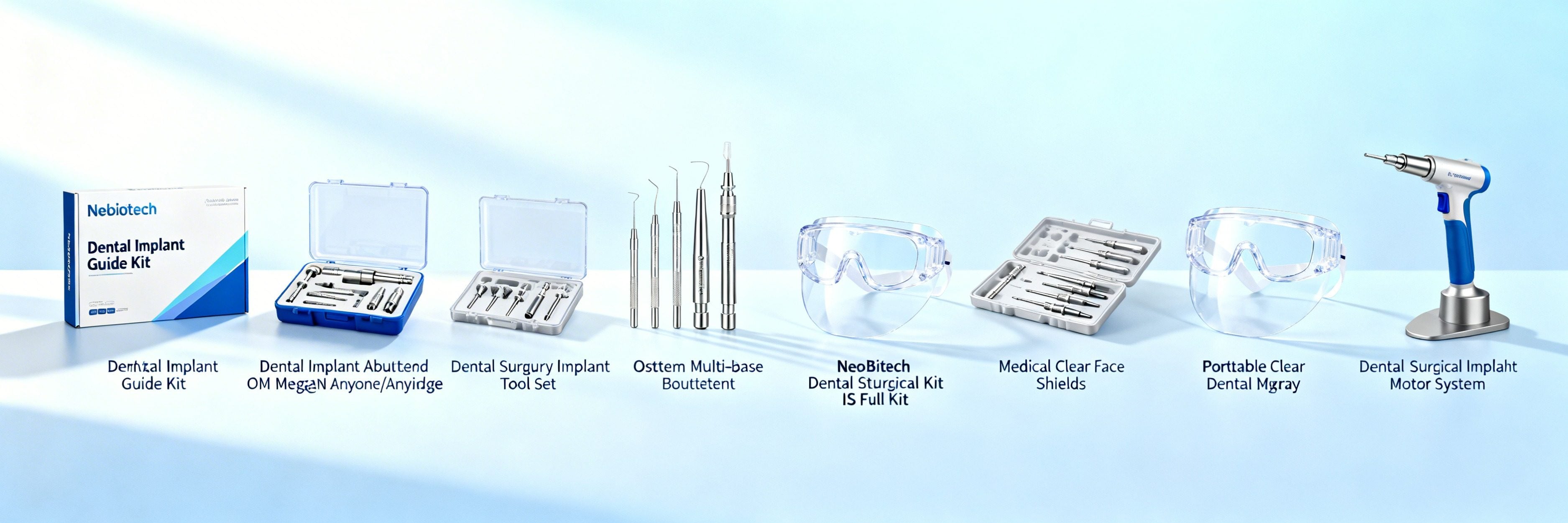
Among the most impactful technologies for dental clinic efficiency is the integrated surgical motor.
An integrated surgical motor combines:
Rather than managing multiple devices separately, clinicians can control the procedure through one centralized system.
For implant surgery, endodontics, and oral surgery, an integrated surgical motor reduces setup time and minimizes intraoperative adjustments.
Modern integrated surgical motor platforms often use brushless motor technology, offering:
In busy practices, fewer equipment failures translate directly into higher dental clinic efficiency and improved patient satisfaction.
Many integrated surgical motor systems allow clinicians to save preferred procedural settings.
Benefits include:
This standardization helps practices improve both clinical quality and dental ROI over time.
Digital dental imaging has transformed modern diagnosis.
Compared with traditional film systems, digital dental imaging provides:
Busy clinics benefit because clinicians spend less time waiting for diagnostic information and more time delivering care.
Digital dental imaging technologies such as CBCT provide detailed three-dimensional views of anatomy.
These images support:
Better diagnostics mean fewer complications and more predictable outcomes, further enhancing dental clinic efficiency.
When digital dental imaging connects with practice management software, clinics gain additional efficiency through:
These operational improvements contribute significantly to long-term dental ROI.
Precision and efficiency work together.
Modern dental systems improve procedural accuracy through:
In implant procedures, accurate equipment reduces complications and follow-up interventions, helping practices improve both patient outcomes and dental clinic efficiency.
Equipment failures and workflow interruptions are common sources of wasted chair time.
An integrated surgical motor helps minimize disruptions by centralizing controls and improving reliability.
Benefits include:
Over hundreds of procedures annually, these improvements produce substantial gains in dental ROI.
Even the best modern dental systems cannot deliver value if staff struggle to use them.
Successful systems typically feature:
These design characteristics shorten learning curves and help clinics achieve faster returns on technology investments.
Practices that provide structured onboarding often experience faster improvements in dental clinic efficiency.
Training should focus on:
Teams that fully understand their modern dental systems consistently achieve better operational outcomes.
Equipment downtime remains one of the largest threats to dental clinic efficiency.
Modern systems help reduce this risk through:
A reliable integrated surgical motor requires less servicing and experiences fewer unexpected failures than older systems.
When evaluating modern dental systems, practices should also assess:
Strong support networks protect dental ROI by minimizing interruptions and extending equipment life.
The most visible component of dental ROI comes from operational improvements such as:
These measurable gains often justify investment in modern dental systems.
Dental ROI also includes less obvious advantages:
Many practices find these indirect benefits become increasingly valuable over time.
As clinics expand, scalable modern dental systems become even more important.
The best platforms offer:
An integrated surgical motor and digital dental imaging ecosystem can grow alongside the practice, protecting long-term dental ROI while maintaining high dental clinic efficiency.
Yes. Smaller clinics often see significant improvements because modern dental systems simplify workflows, reduce setup complexity, and expand treatment capabilities without requiring additional staff.
Focus on torque accuracy, reliability, interface usability, maintenance requirements, and compatibility with existing equipment. A high-quality integrated surgical motor can substantially improve dental clinic efficiency.
Digital dental imaging provides immediate diagnostic information, reduces retakes, improves treatment planning, and integrates with patient records, helping practices increase efficiency and accuracy.
Yes. Most practices see improved dental ROI through increased productivity, reduced downtime, better patient experiences, and more predictable clinical outcomes. When combined with proper training and maintenance, modern dental systems often deliver measurable long-term value.

 EN
EN