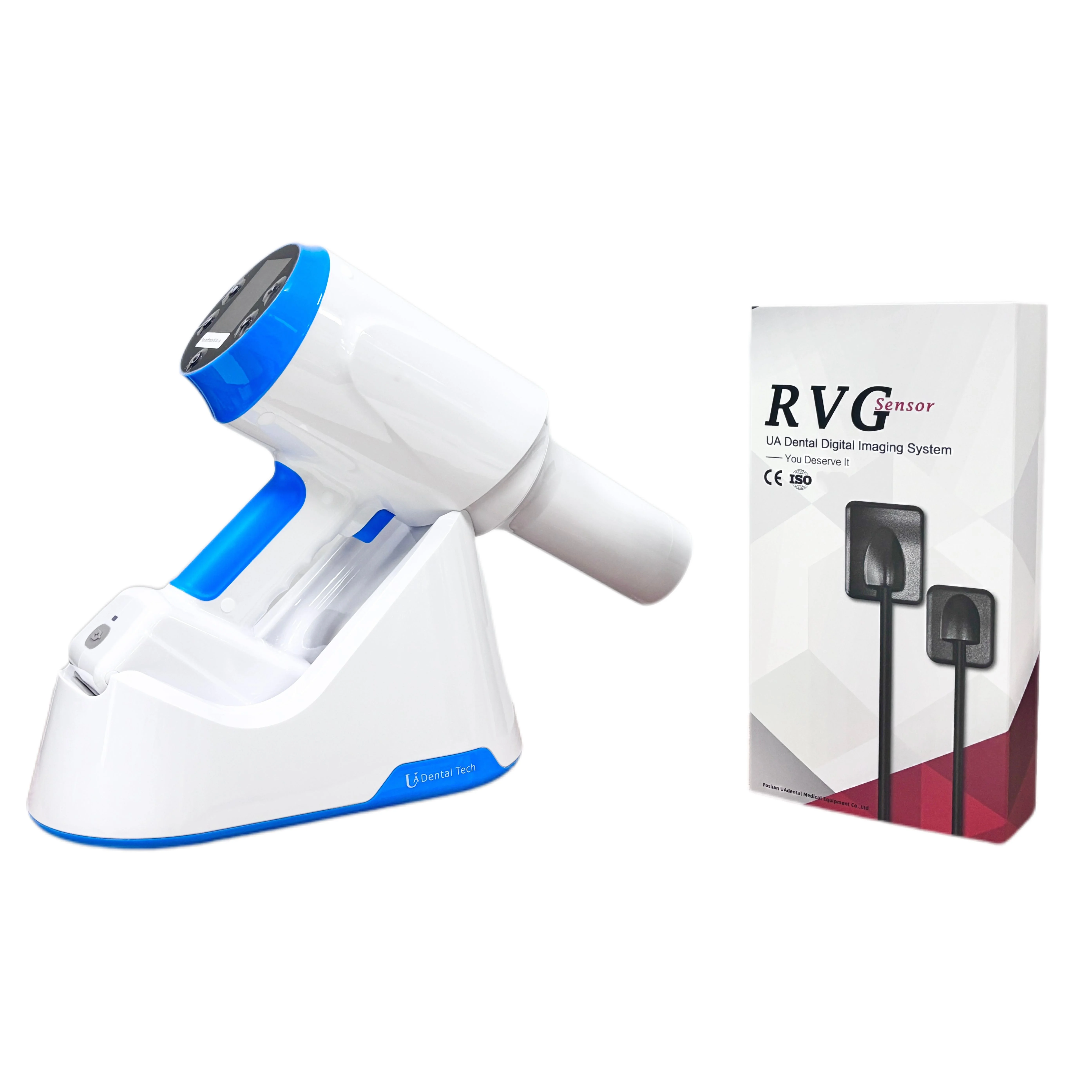
endodontic
Endodontic treatment represents a specialized branch of dentistry focused on treating diseases and injuries affecting the dental pulp and root canal system. An endodontic procedure involves removing infected or damaged pulp tissue from inside the tooth, cleaning the canal system thoroughly, and sealing it to prevent future contamination. This endodontic approach preserves natural teeth that might otherwise require extraction, maintaining your smile's integrity and function. The primary function of endodontic care is to eliminate bacterial infection and relieve pain caused by pulp inflammation or necrosis. Modern endodontic technology utilizes rotary instruments, digital imaging, and electronic apex locators to ensure precise treatment. These technological features enable dentists to navigate complex root canal anatomy with accuracy and efficiency. Endodontic treatment typically involves local anesthesia to ensure patient comfort throughout the procedure. The process requires careful assessment, precise instrumentation, and complete obturation of the canal space. Endodontic applications extend to treating traumatized teeth, deeply decayed teeth, and teeth with pulp damage from previous dental work. Success rates for endodontic procedures exceed 90 percent when performed correctly. This endodontic specialty has evolved significantly with advances in imaging technology and treatment techniques. Preserving natural teeth through endodontic intervention provides superior long-term outcomes compared to extraction and replacement options. Understanding endodontic procedures helps patients make informed decisions about their dental health and treatment options.


 EN