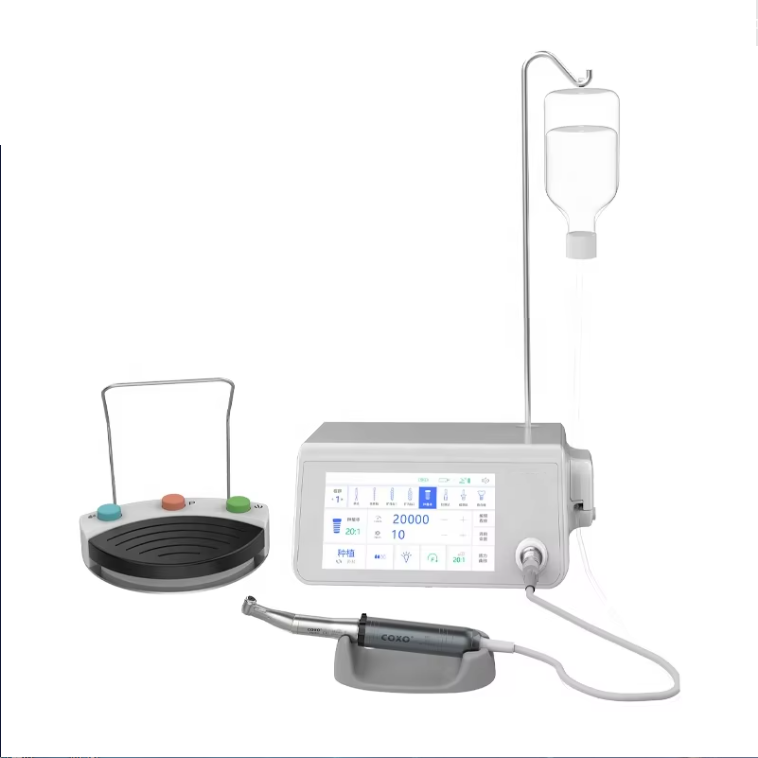
oral surgery instruments
Oral surgery instruments represent the essential tools that dental professionals and surgical teams rely on to perform complex oral and maxillofacial procedures with precision and efficiency. These specialized oral surgery instruments are designed to meet the rigorous demands of extracting teeth, implant placement, bone contouring, and soft tissue management in the oral cavity. Modern oral surgery instruments incorporate advanced technological features that enhance visibility, control, and patient outcomes throughout surgical interventions.
The primary functions of oral surgery instruments include tooth extraction, alveolar bone removal, implant site preparation, and tissue visualization. High-quality oral surgery instruments feature ergonomic designs that reduce operator fatigue during extended procedures while maintaining optimal tactile feedback. Precision-engineered tips and cutting surfaces ensure minimal trauma to surrounding tissues, promoting faster healing and improved patient recovery.
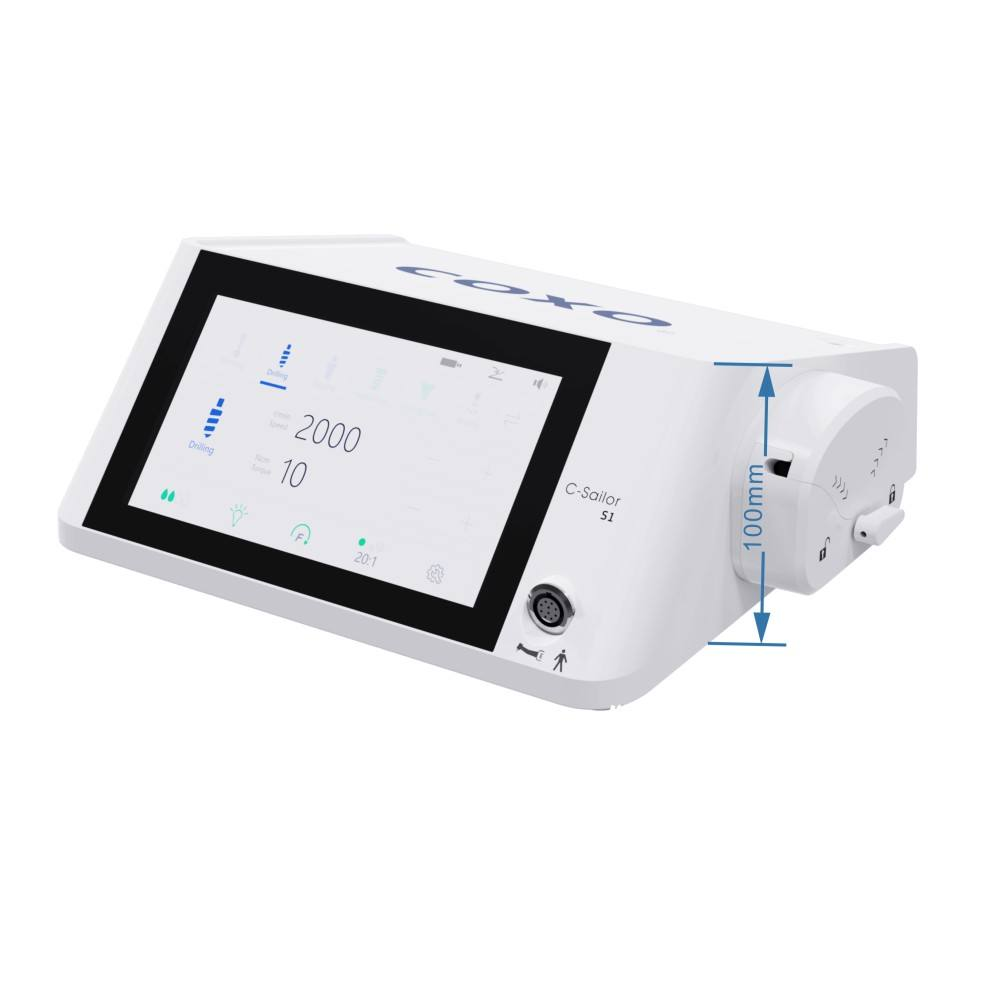
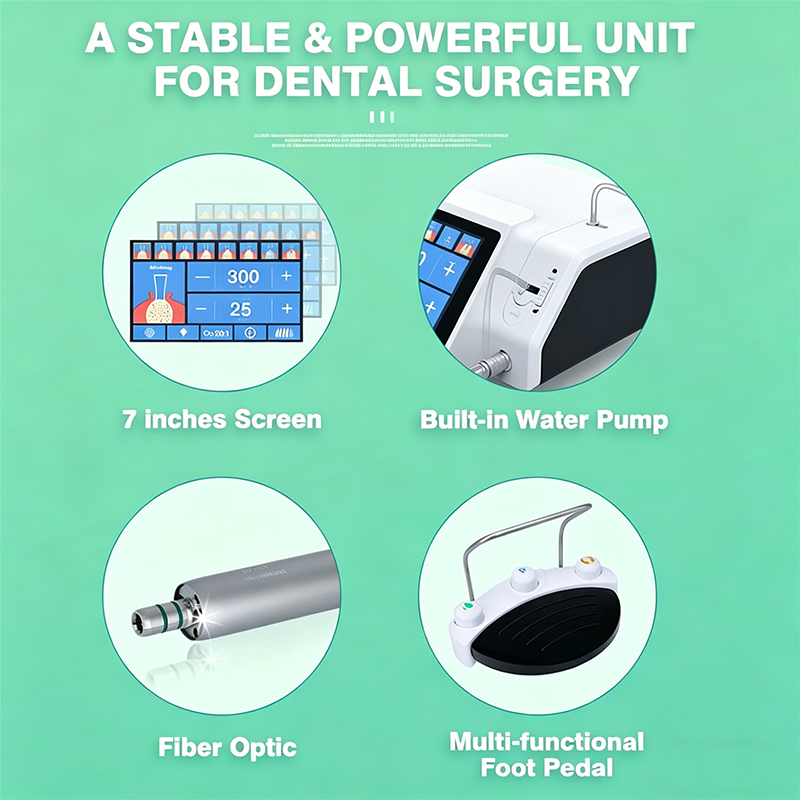
Technological innovations in oral surgery instruments have introduced motorized components, integrated irrigation systems, and improved materials that withstand sterilization without degradation. Many contemporary oral surgery instruments incorporate titanium or stainless steel construction, providing superior durability and reliability. The instruments are engineered to facilitate both simple and complex extractions, from routine tooth removal to challenging surgical cases involving impacted or fractured teeth.
Applications of oral surgery instruments extend across multiple dental specialties, including general dentistry, oral surgery, periodontology, and implant dentistry. Whether performing wisdom tooth extraction, placing dental implants, or managing periodontal disease, oral surgery instruments serve as indispensable components of modern dental practice. Their versatility and reliability make them fundamental investments for any dental facility committed to delivering excellent surgical care and achieving optimal clinical outcomes for patients.

 EN