autoclave in medical
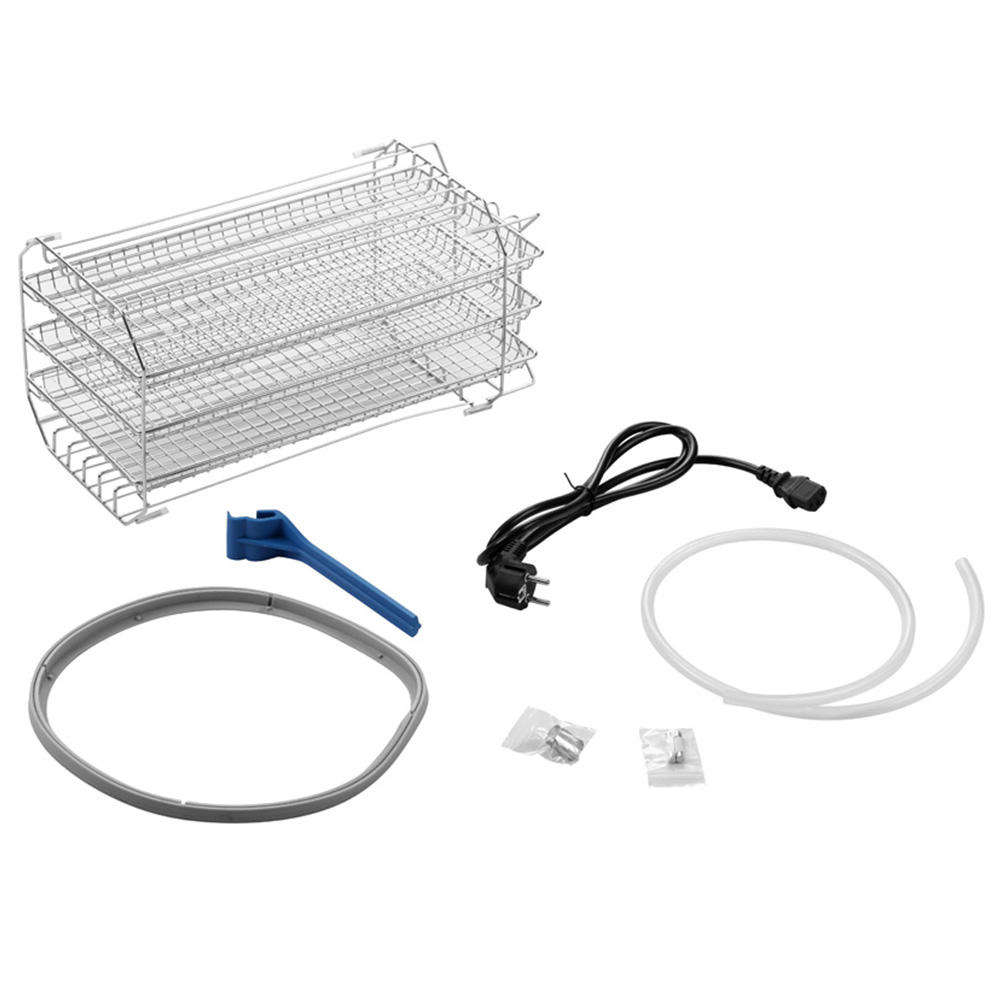
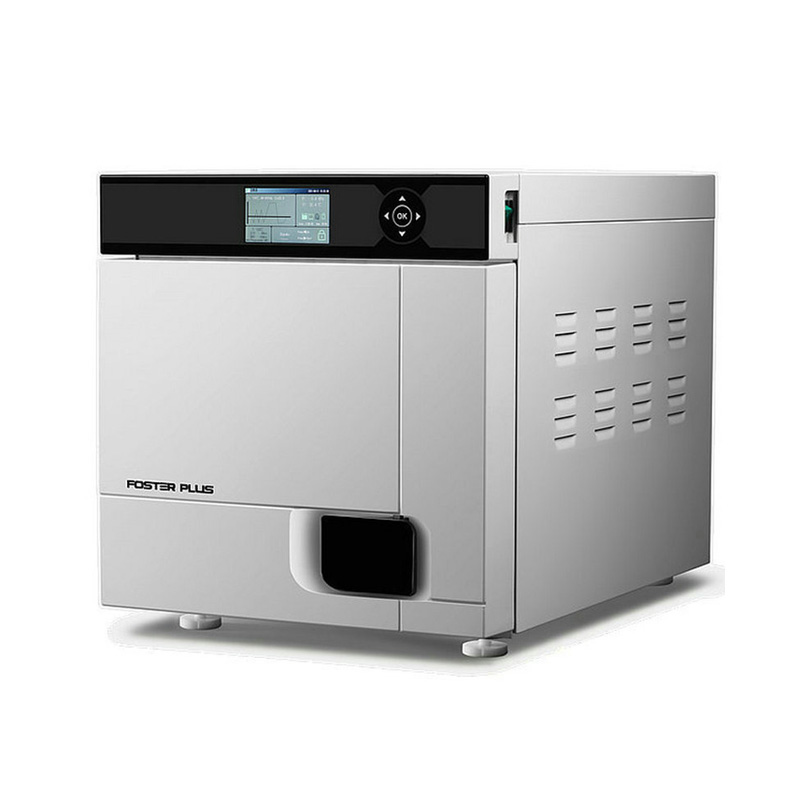
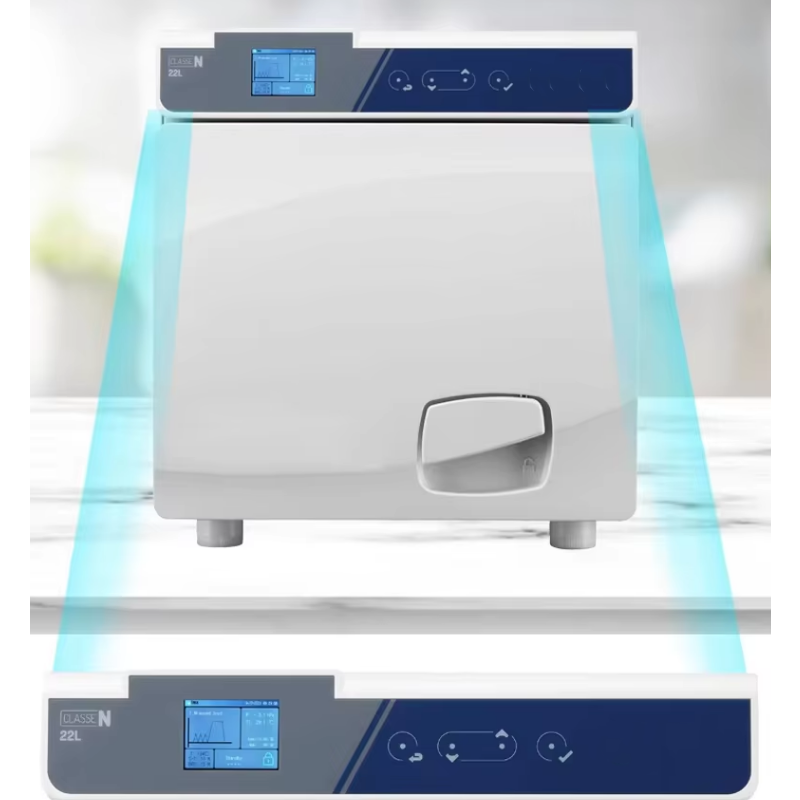
An autoclave in medical settings represents a critical sterilization device that eliminates microorganisms, bacteria, viruses, and prions from medical instruments and materials. The autoclave in medical practice operates by exposing equipment to high-pressure steam at temperatures typically between 121 to 134 degrees Celsius, ensuring complete sterilization within minutes. This autoclave in medical environments uses steam under pressure to penetrate materials effectively, reaching areas that conventional methods cannot access. The primary function of an autoclave in medical facilities involves preparing surgical instruments, dental tools, laboratory equipment, and wound dressings for safe patient use. Advanced technological features integrated into modern autoclave in medical systems include digital controls, automated cycles, vacuum chambers, and real-time monitoring capabilities. These systems provide precise temperature regulation, pressure management, and documentation functions essential for compliance with healthcare standards. The autoclave in medical practice serves diverse applications across hospitals, surgical centers, dental offices, laboratories, and veterinary clinics. Healthcare professionals rely on this autoclave in medical equipment to maintain infection control protocols and ensure patient safety. The sterilization process guarantees that reusable instruments meet stringent quality benchmarks before clinical procedures. Modern autoclave in medical technology incorporates safety features such as automatic shut-off mechanisms, pressure relief valves, and steam filtration systems. Understanding how an autoclave in medical setting operates helps practitioners appreciate its importance in preventing cross-contamination and healthcare-associated infections. The investment in reliable autoclave in medical equipment demonstrates organizational commitment to patient protection and procedural excellence.

 EN


