autoclave for dental instruments
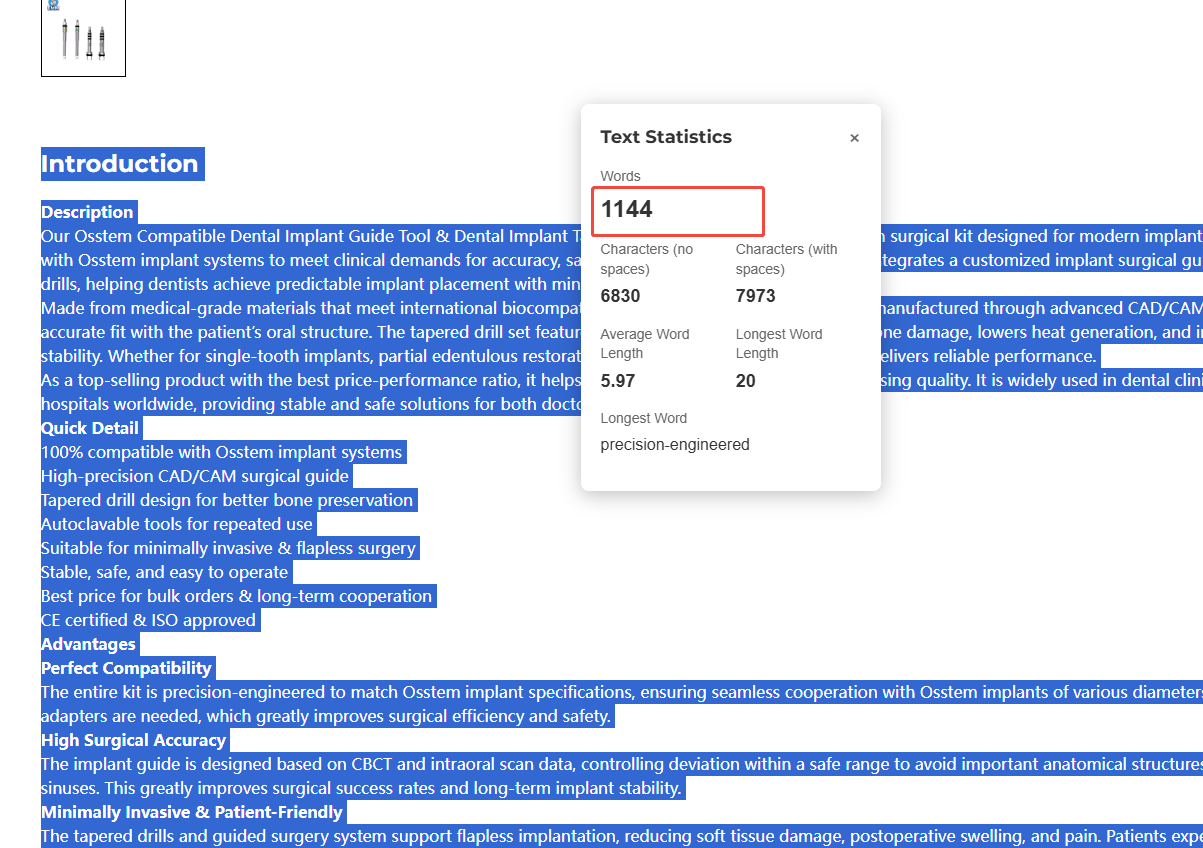
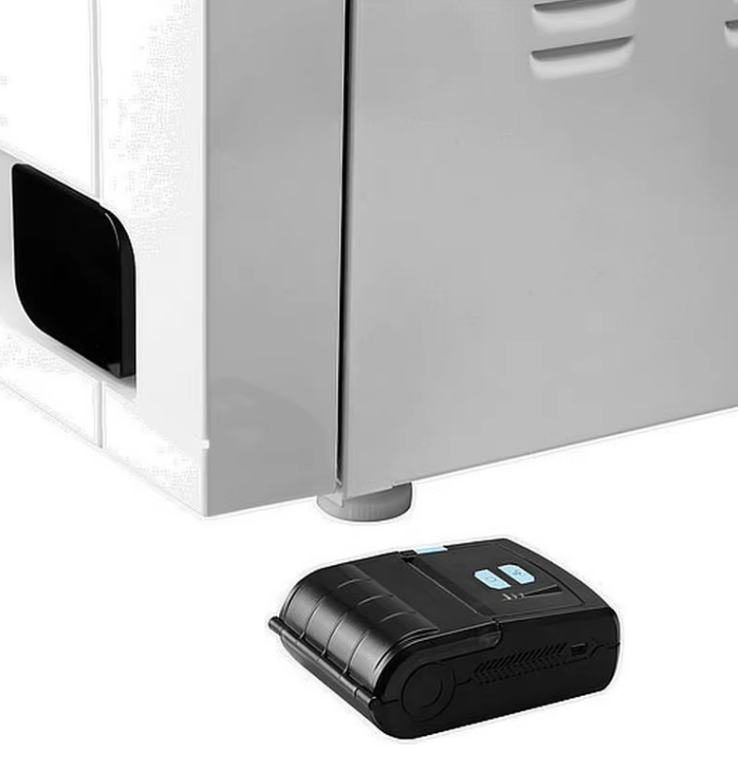
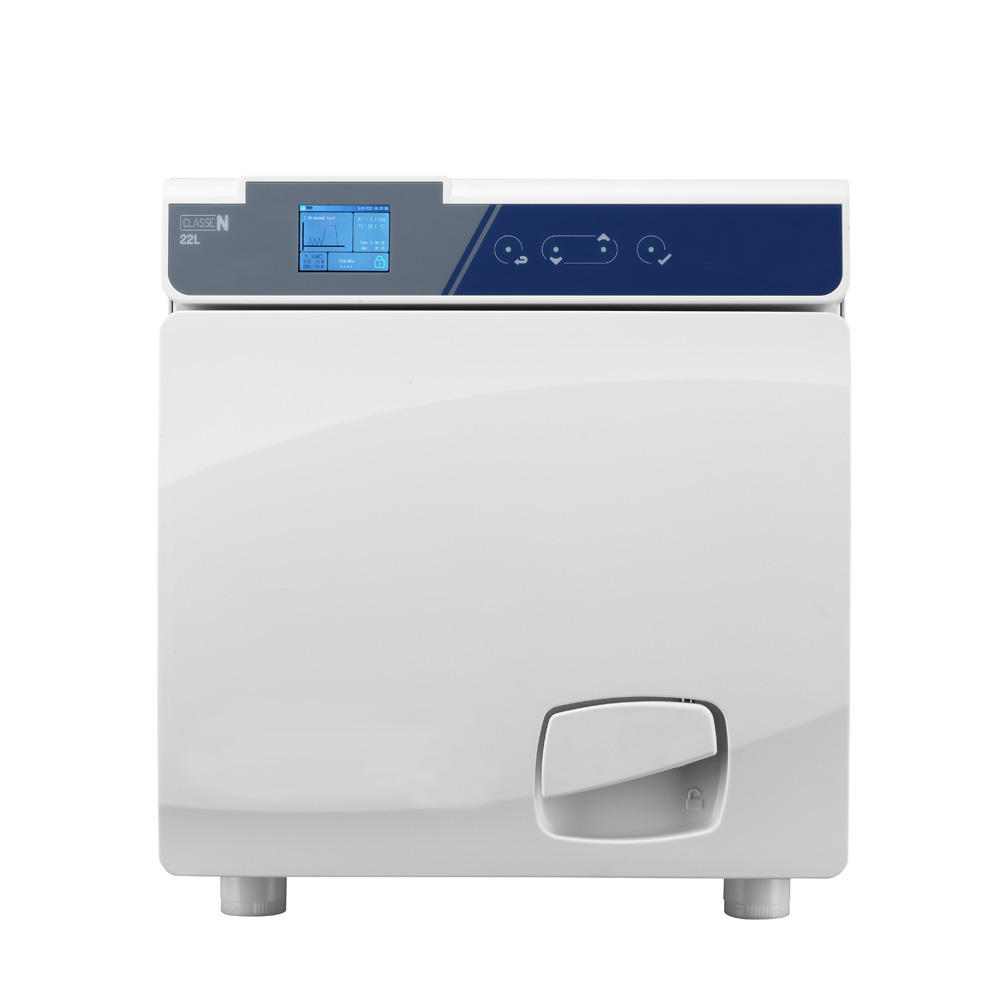
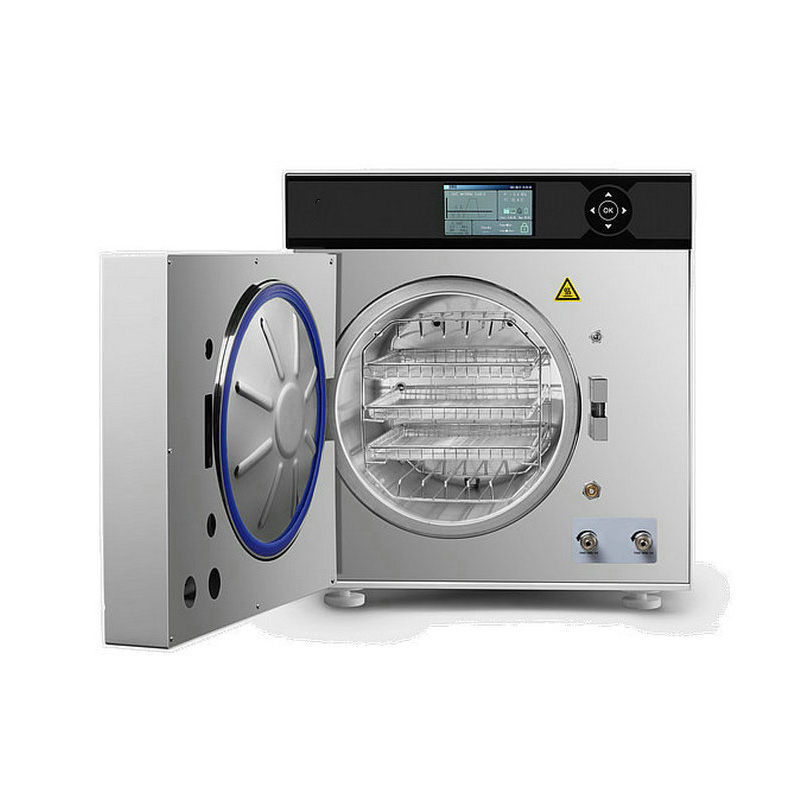
An autoclave for dental instruments represents essential sterilization equipment that every dental practice requires to maintain infection control standards. This sophisticated device uses steam, pressure, and heat to eliminate all microorganisms, bacteria, viruses, and spores from dental tools and materials. The autoclave for dental instruments operates by creating a sealed chamber where saturated steam reaches temperatures between 250-275 degrees Fahrenheit, penetrating instruments thoroughly within minutes. Modern autoclave for dental instruments features advanced digital controls, automatic pressure regulation, and safety mechanisms that ensure consistent sterilization cycles. Dental professionals rely on this equipment to process burs, scalers, mirrors, forceps, and other instruments used during patient treatments. The autoclave for dental instruments accommodates various instrument sizes and materials, including stainless steel, titanium, and composite items. Cycle times typically range from 3 to 30 minutes depending on load size and sterilization method selected. Quality autoclave for dental instruments includes built-in validation systems and printer functions to document sterilization records for compliance purposes. These devices meet CDC, OSHA, and ADA standards, providing dental offices with regulatory compliance and patient safety assurance. Understanding how an autoclave for dental instruments functions helps practices implement proper sterilization protocols, protecting both patients and staff from cross-contamination risks and infection transmission.

 EN


