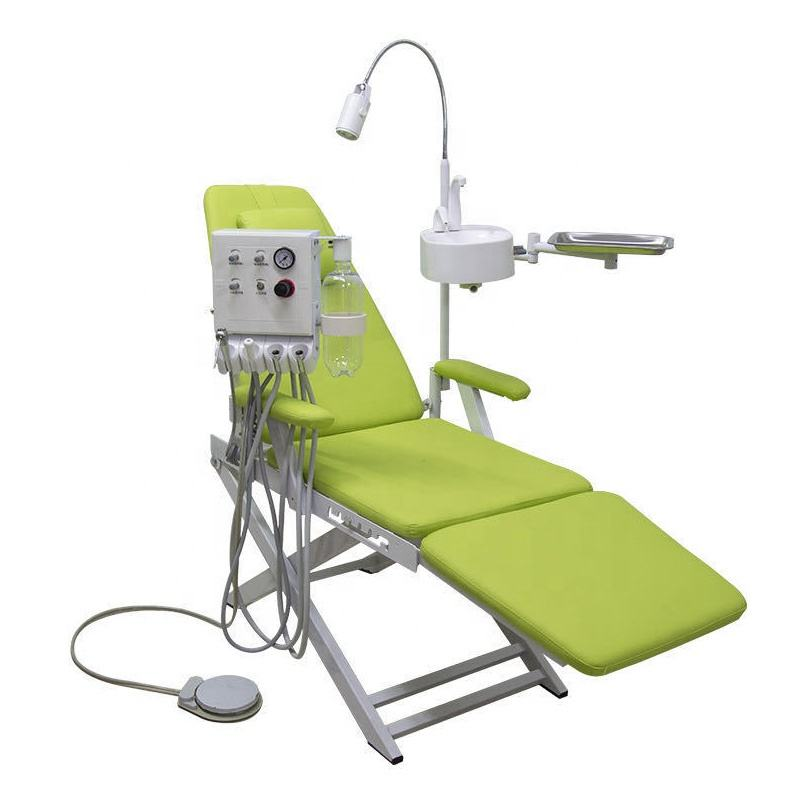
Urban dental clinics face a unique set of constraints that directly influence equipment purchasing decisions. Among those decisions, choosing the right dental chair is often the most space-sensitive investment a practice owner makes. When floor area is limited and patient volume is high, a dental chair that is compact, functional, and ergonomically designed becomes more than a convenience—it becomes an operational advantage. The growing demand for space-saving dental chair models in cities reflects broader changes in how urban practices are organized and managed.
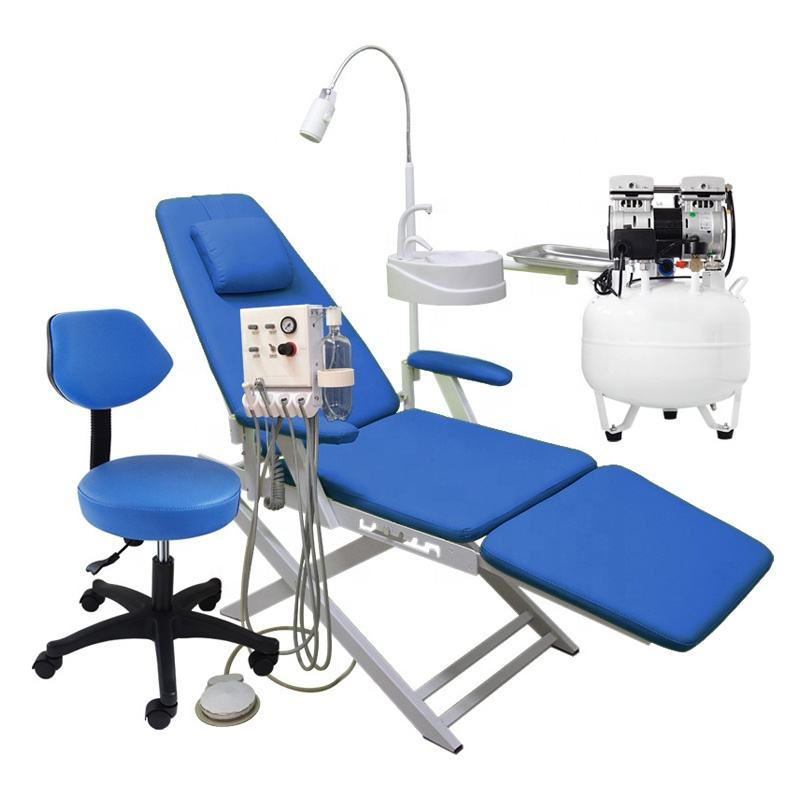
Commercial real estate in major cities is expensive, and every square meter of treatment space must generate value. A traditional dental chair with a wide base, extended delivery arms, and large footrests can consume significantly more usable floor area than a compact space-saving dental chair. When a clinic installs a bulky dental chair in a room that could accommodate a slimmer model, it sacrifices flexibility and patient capacity.
A well-designed compact dental chair preserves full patient support and adjustability while reducing its footprint. Practices that switch to a space-saving dental chair frequently report smoother movement between the chair, instrument tray, and assistant position, less crowding during procedures, and a cleaner room layout. Because the dental chair is the physical center of treatment, its size and shape influence how the entire room functions.
In clinics with multiple treatment rooms, the dental chair chosen for each room has a cumulative effect on workflow. Four compact space-saving dental chair units in a shared corridor layout typically provide better circulation than four oversized dental chair models that require wider clearances. Staff can move between stations more efficiently, sterilization routes shorten, and access to any dental chair position becomes faster. In this sense, dental chair selection is not just a room-level decision; it is a clinic-wide infrastructure decision.
Many practitioners assume that a smaller dental chair must be less comfortable. Modern space-saving dental chair designs show that this is not necessarily true. Quality compact models provide lumbar support, adjustable headrests, and multi-axis positioning comparable to larger units. Patients are more likely to notice the uncluttered treatment environment than the reduced footprint, and a clean, organized room is often associated with lower anxiety and higher satisfaction.
Urban patients also value efficiency. A dental chair that positions the patient correctly with minimal adjustment, supports clinician ergonomics throughout the procedure, and resets quickly between appointments reinforces the impression of a well-run practice.
The most effective space-saving dental chair models share several practical features:
Slim-profile base: allows the dental chair to sit closer to walls or cabinetry while preserving clinician access.
Integrated delivery system: reduces the need for separate floor-standing equipment.
Retractable assistant arm: folds out of the way when not in use, reducing the active footprint.
Full recline and positioning range: maintains clinical capability despite the smaller package.
These are functional engineering choices, not cosmetic additions. Each feature helps the dental chair deliver full treatment capability within a smaller treatment room.
For urban clinics, a space-saving dental chair can offer a strong financial return. By fitting an additional dental chair station into an existing floor plan, a practice may increase daily patient capacity without the cost of leasing or renovating additional space. Even one extra dental chair station can improve scheduling density and revenue potential. When evaluated on total cost of ownership and throughput, compact dental chair models often outperform larger alternatives in city environments.
Clinical efficiency depends heavily on the spatial relationship between the dental chair, instrument tray, and assistant position—the work triangle. A compact dental chair sized appropriately for the room keeps this triangle tight, reducing unnecessary movement and fatigue. When the dental chair is too large for the space, the triangle expands, staff take more steps, and procedure times can increase. Standardizing on a well-fitted space-saving dental chair across all treatment rooms helps create a consistent, repeatable workflow.
FAQ
What makes a dental chair suitable for a small urban treatment room?
A dental chair designed for urban spaces typically combines a slim base, integrated delivery system, retractable assistant arm, and full patient positioning. These features allow the space-saving dental chair to operate at full clinical capacity without requiring the clearance of a large-format unit.
Does a compact dental chair compromise clinical functionality?
No. A well-engineered compact dental chair can provide the same core clinical capabilities as a standard-size model, including full recline, adjustable headrest, and ergonomic support for the clinician. The smaller footprint does not inherently reduce the dental chair's ability to support complex procedures.
Can switching to a space-saving dental chair increase clinic capacity?
It depends on room dimensions and local building codes, but clinics that replace oversized units with a space-saving dental chair often find they can improve room utilization and, in some cases, add an additional dental chair station within the same overall floor area.

 EN
EN