Small dental clinics and medical facilities face unique operational challenges when it comes to instrument sterilization. Space is limited, budgets are tight, and the need for reliable infection control remains non-negotiable. This is precisely why compact autoclave sterilizer models have become the preferred choice for thousands of small clinics worldwide. Unlike large industrial-grade units that dominate hospital operating rooms, a compact autoclave sterilizer offers the perfect balance of functionality, affordability, and footprint efficiency. Understanding why these smaller systems have gained such widespread adoption reveals important insights into modern clinical sterilization strategy and operational best practices.
The rise of compact autoclave sterilizer technology reflects a broader shift in healthcare facility design toward efficiency and accessibility. Small clinics now demand sterilization solutions that fit their physical constraints without compromising on performance or safety standards. A quality autoclave sterilizer in a compact form delivers steam sterilization power comparable to larger models while occupying minimal counter or cabinet space. This transformation in equipment design has reshaped how small healthcare providers approach infection prevention, allowing them to maintain full regulatory compliance while optimizing their operational footprint.
Compact autoclave sterilizer units are engineered specifically for environments where every square foot counts. Small dental offices, urgent care clinics, and specialty practices typically operate in shared office spaces or modest leased facilities where large sterilization equipment simply will not fit. A compact autoclave sterilizer requires minimal bench or counter space, often measuring only 24 to 28 inches wide and 16 to 18 inches deep. This modest footprint allows clinicians to place the autoclave sterilizer in back offices, utility rooms, or even dedicated corner spaces without disrupting workflow or consuming prime clinical real estate. The portability of many compact autoclave sterilizer models also means they can be relocated or repositioned as clinic layouts evolve.
Integrating sterilization into a small clinic's daily workflow requires thoughtful equipment placement and accessibility. An autoclave sterilizer positioned conveniently near instrument preparation areas reduces transport time and minimizes handling risks. Compact autoclave sterilizer designs allow staff to complete sterilization cycles efficiently without requiring dedicated separate sterilization suites. Many small clinics position their autoclave sterilizer near sink stations or prep areas where instruments are cleaned before sterilization, creating a logical sequence that improves staff efficiency. This integrated approach means that a compact autoclave sterilizer becomes part of a seamless workflow rather than an isolated, space-consuming afterthought.
The financial barrier to entry for sterilization equipment often prevents small clinics from upgrading or establishing new practices. A high-quality autoclave sterilizer from major manufacturers can cost between $3,000 and $15,000 or more, representing significant capital expense for small healthcare providers. Compact autoclave sterilizer models typically fall in the lower to mid range of this spectrum, often priced between $1,500 and $5,000 depending on chamber volume and automation features. This lower acquisition cost makes it feasible for new clinics to launch operations with proper sterilization infrastructure from day one, rather than deferring equipment purchases or compromising on safety standards. Smaller practices can allocate limited capital budgets more strategically when autoclave sterilizer options include affordable compact models.
Operating expenses associated with an autoclave sterilizer extend beyond the initial purchase price. Compact autoclave sterilizer models consume less water, less electricity, and less steam per cycle compared to larger chamber units. Smaller autoclave sterilizer systems also require less frequent maintenance and have fewer complex components that might require repair or replacement. Water supply requirements are minimal, sometimes eliminating the need for dedicated plumbing installations. Many compact autoclave sterilizer units operate efficiently on standard electrical outlets, avoiding expensive electrical upgrades that larger systems might demand. Over a five-year period, the cumulative savings in utilities, maintenance, and service calls can be substantial for small clinics evaluating their total cost of ownership for an autoclave sterilizer.
Regulatory bodies including OSHA, CDC, and state dental boards mandate specific sterilization standards that apply to all healthcare facilities regardless of size. A compact autoclave sterilizer must meet or exceed these same performance benchmarks as any larger unit. Modern compact autoclave sterilizer technology employs identical steam sterilization principles, achieving temperatures of 250–270 degrees Fahrenheit and maintaining required exposure times for full microbial inactivation. Class N autoclave sterilizer models, which are common in dental and small medical settings, are specifically designed for unwrapped instruments and simpler loads typical of small clinics. The autoclave sterilizer technology in compact form has proven its reliability and compliance in thousands of small clinics, with no inherent performance penalty compared to larger units handling the same instrument types.
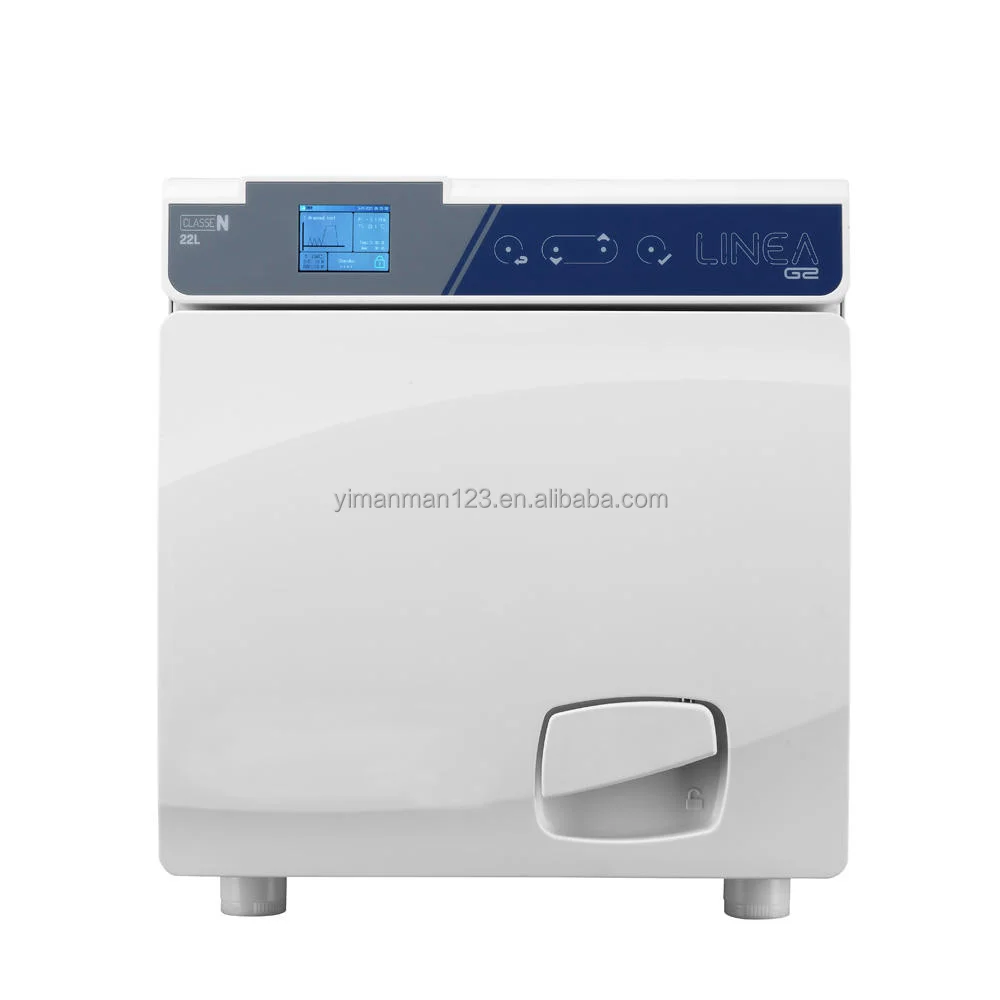
While compact autoclave sterilizer models have smaller chamber volumes, they are specifically matched to the instrument loads typical of small clinics. A 22-liter chamber, common in compact autoclave sterilizer designs, easily accommodates the daily sterilization needs of a small dental practice or specialty clinic. Cycle times for an autoclave sterilizer in this size range typically range from 10 to 25 minutes depending on load density and automation features, making multiple sterilization batches feasible during a normal clinical day. Small clinics rarely need to sterilize quantities of instruments simultaneously that would require the larger chambers found in hospital settings. The compact autoclave sterilizer capacity aligns logically with realistic small clinic instrument volumes, meaning that practitioners can complete necessary sterilization without bottlenecks while still maintaining full compliance with infection control protocols.
Most compact autoclave sterilizer models range from 16 to 25 liters in chamber capacity. This volume is specifically designed to match the sterilization needs of small clinics, dental offices, and specialty practices. A 22-liter autoclave sterilizer is a common size that balances chamber capacity with footprint efficiency, allowing practitioners to process typical daily instrument loads in multiple cycles if needed.
Most compact autoclave sterilizer models available for small clinics are Class N units, which are designed primarily for unwrapped instruments and simpler loads. Some higher-end compact autoclave sterilizer options include Class S functionality, allowing for wrapped instrument sterilization with extended cycle times. Small clinic operators should verify whether their intended autoclave sterilizer model meets their specific wrapping and load requirements before purchase.
Maintenance for a compact autoclave sterilizer is typically simpler and less frequent than for larger systems. Regular descaling and chamber cleaning remain necessary, but the smaller surface area and fewer complex components reduce maintenance burden. Many compact autoclave sterilizer units feature simplified interfaces and automated cleaning cycles, making routine maintenance straightforward enough for office staff to manage with minimal training.

 EN
EN