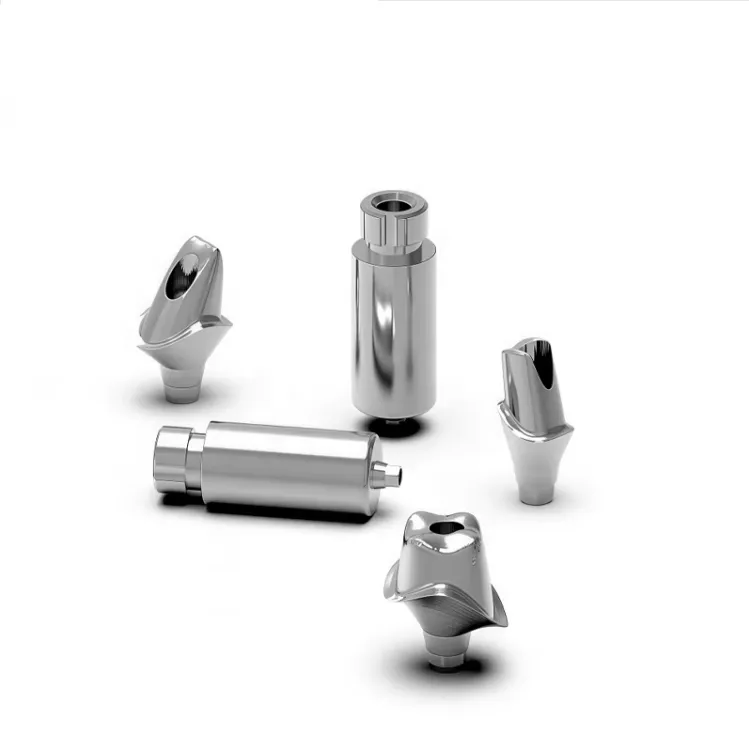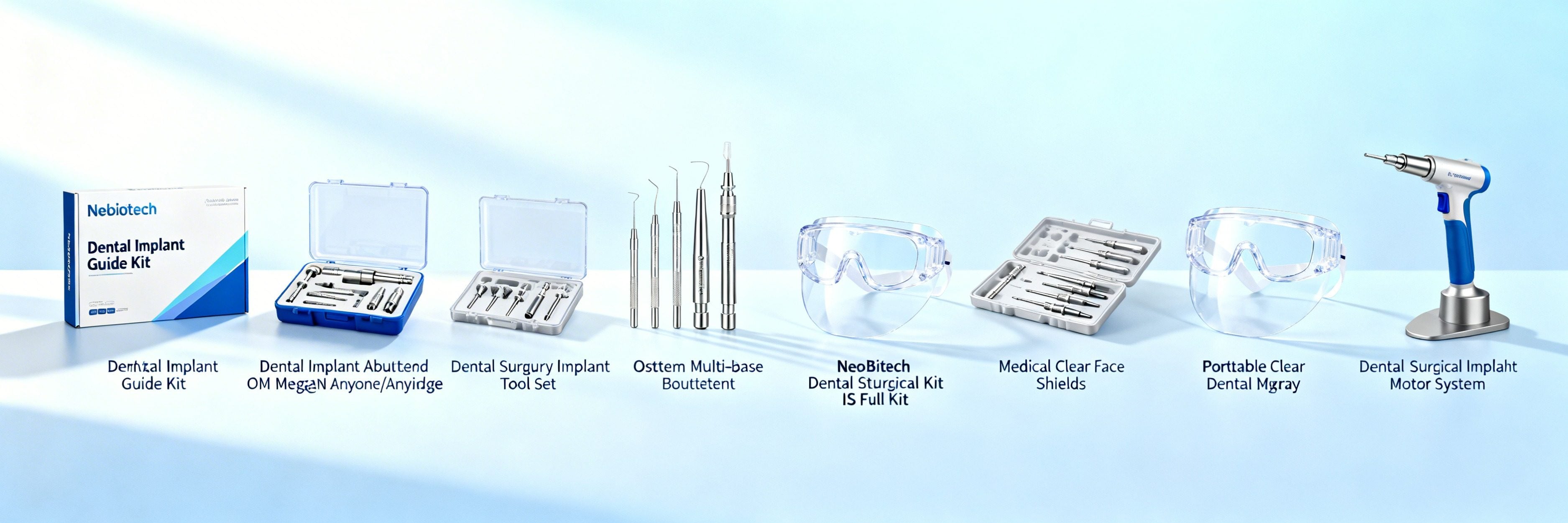
Selecting the right dental equipment is one of the most important decisions a practice owner or clinical director can make. The tools a clinic invests in directly affect patient outcomes, workflow efficiency, and long-term profitability. Whether opening a new practice or upgrading existing systems, successful clinical dental equipment selection requires more than comparing prices. A structured evaluation of performance, compatibility, and support is essential for securing reliable dental equipment that delivers lasting value.
Every clinic has unique requirements based on its treatment focus and patient volume. Effective clinical dental equipment selection begins with understanding the procedures performed most frequently and identifying the equipment needed to support them. Choosing reliable dental equipment that matches clinical needs reduces operational inefficiencies and improves treatment consistency.
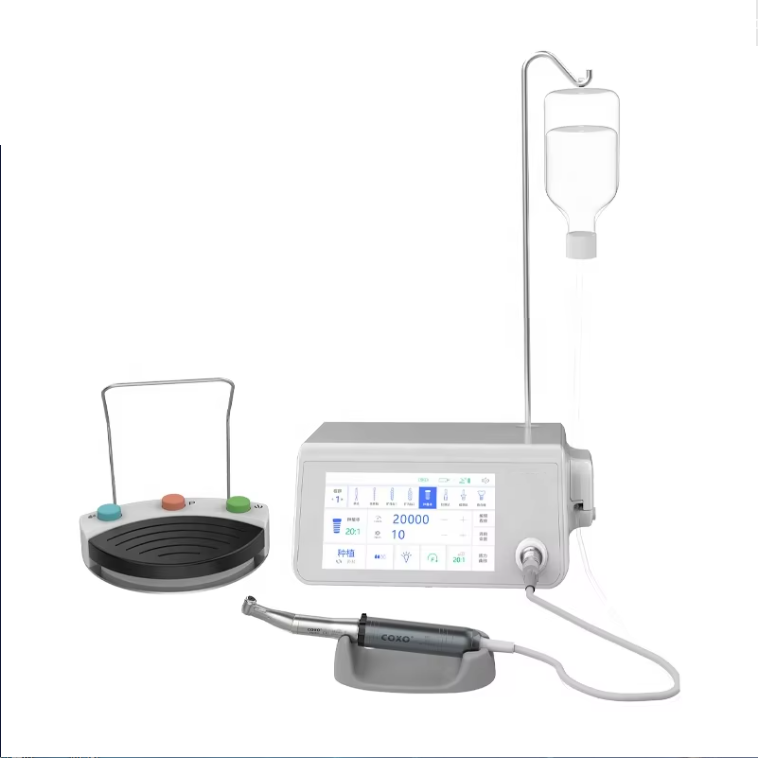
For implant-focused practices, a high-performance dental implant motor is often a priority investment. Modern dental implant motor systems offer precise torque control, programmable protocols, and intuitive interfaces that improve surgical accuracy and workflow efficiency. Selecting the right dental implant motor can significantly enhance both clinical outcomes and practitioner confidence.
The first step in clinical dental equipment selection is mapping services to equipment needs. General dentistry, orthodontics, implantology, and oral surgery all require different technology investments. Purchasing reliable dental equipment aligned with actual treatment demand prevents unnecessary spending and maximizes utilization.
Clinics performing implant surgery should prioritize a dental implant motor with stable torque output, customizable settings, and integration capabilities. A quality dental implant motor supports predictable implant placement and improves treatment consistency.
Patient throughput directly influences equipment requirements. High-volume clinics require reliable dental equipment capable of continuous operation without performance degradation. Equipment downtime negatively affects productivity and patient satisfaction.
Workflow efficiency should also be considered during clinical dental equipment selection. Devices that reduce setup time and simplify operation contribute to smoother daily operations. Reliable dental equipment helps practices maintain scheduling efficiency while delivering high-quality care.
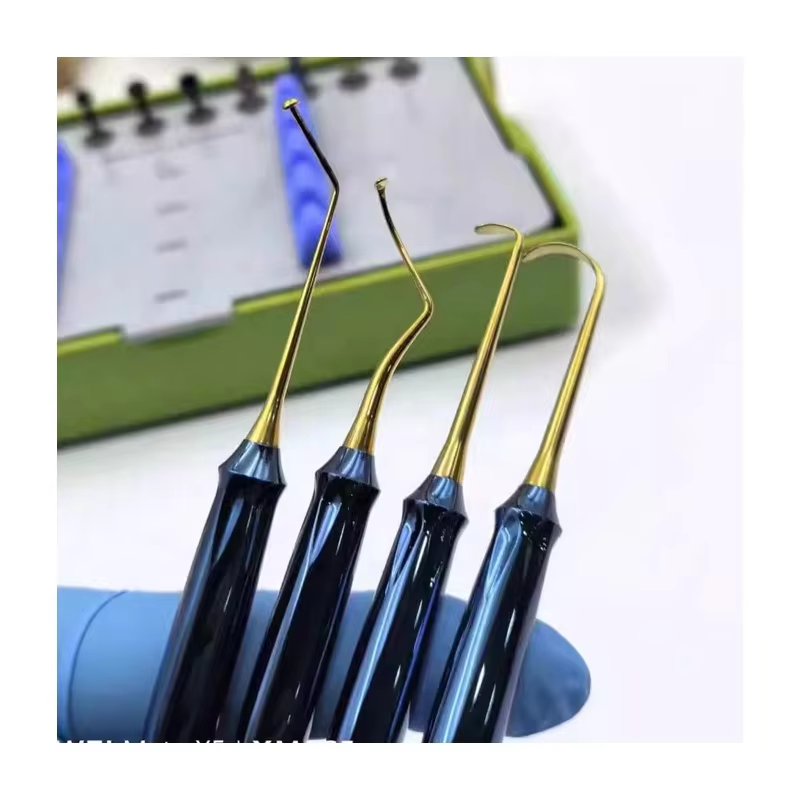
A dental implant motor plays a critical role in implant procedures. Accurate torque delivery is essential for achieving primary stability and following manufacturer-recommended placement protocols. High-quality dental implant motor systems provide real-time torque monitoring and consistent performance throughout surgical procedures.
When comparing options, evaluate torque range, speed range, and calibration accuracy. A dependable dental implant motor contributes directly to dental equipment reliability by reducing procedural variability and minimizing operator error.
Modern dental implant motor systems increasingly utilize brushless technology. Compared with traditional brushed motors, brushless designs generate less heat, experience lower wear, and maintain more stable performance over time.
Practices seeking reliable dental equipment should prioritize brushless systems because they offer superior longevity and reduced maintenance requirements. This improves overall dental equipment reliability and lowers long-term operating costs.
A modern dental implant motor often includes a touchscreen interface with programmable treatment protocols. These features simplify operation and improve consistency among clinicians. During clinical dental equipment selection, ease of use should be considered alongside technical performance.
No equipment functions independently. Reliable dental equipment should integrate seamlessly with existing treatment units, sterilization workflows, and digital systems. Poor compatibility creates hidden costs and operational inefficiencies.
When performing clinical dental equipment selection, verify connection standards, software compatibility, and future upgrade options. Equipment that integrates smoothly into existing workflows enhances dental equipment reliability and supports long-term operational success.
Many modern systems offer digital features such as treatment logging, software updates, and remote diagnostics. These capabilities improve dental equipment reliability by supporting preventive maintenance and faster troubleshooting.
A dental implant motor with digital integration features can streamline quality assurance processes and improve consistency across multiple operators.
Supply chain reliability is often overlooked during clinical dental equipment selection. Reliable dental equipment should use readily available consumables whenever possible. Dependence on proprietary components can create procurement challenges and increase operational costs.
Before purchasing any dental implant motor or surgical system, verify distributor availability and replacement part accessibility.
Reliable dental equipment should comply with all applicable regulatory requirements. Certifications such as CE marking and FDA clearance indicate that the equipment has undergone independent evaluation for safety and performance.
During clinical dental equipment selection, always verify current certification status. Regulatory compliance is a critical component of dental equipment reliability and protects clinics from potential legal and accreditation issues.
Even the most reliable dental equipment occasionally requires maintenance or updates. Vendor support quality should therefore be a major evaluation factor.
Clinics should assess service response times, technician availability, and software support. For advanced systems such as a dental implant motor, access to training resources and application guidance can significantly improve clinical outcomes.
Comprehensive warranties contribute to dental equipment reliability by protecting practices from unexpected repair expenses. During clinical dental equipment selection, review coverage for hardware, software, and replacement components.
Reliable dental equipment backed by strong warranty terms typically delivers better long-term value than lower-cost alternatives with limited support.
Many clinics focus primarily on acquisition cost, but total cost of ownership dental analysis provides a more accurate picture of value. The purchase price represents only a portion of the actual investment.
A complete total cost of ownership dental assessment should include maintenance expenses, consumables, training costs, service contracts, and potential downtime. Reliable dental equipment often has a higher initial price but lower operating costs over its lifespan.
A high-quality dental implant motor may cost more upfront but require fewer repairs and less maintenance. This improves dental equipment reliability while reducing long-term expenses.
Practices conducting total cost of ownership dental evaluations frequently discover that premium equipment delivers stronger returns through improved productivity and reduced service interruptions.
Reliable dental equipment also contributes to revenue generation. Advanced systems enable clinics to perform more procedures efficiently and confidently.
A modern dental implant motor can expand implant treatment capabilities, allowing practices to offer additional services and improve profitability. When performing total cost of ownership dental calculations, revenue potential should be considered alongside direct expenses.
Technology continues to evolve rapidly. Effective clinical dental equipment selection should consider future growth and upgrade potential. Reliable dental equipment that supports software updates, accessory expansion, and workflow integration provides greater long-term value.
Scalability is particularly important when selecting a dental implant motor. Manufacturers that actively update software and expand compatibility help protect investments from early obsolescence.
Clinics that prioritize dental equipment reliability and future flexibility are better positioned to adapt to changing clinical requirements and patient expectations.
Successful clinical dental equipment selection requires balancing performance, compatibility, support, and financial considerations. Reliable dental equipment improves patient outcomes, increases workflow efficiency, and supports sustainable growth.
For implant-focused practices, choosing the right dental implant motor is especially important. By prioritizing dental equipment reliability and conducting a thorough total cost of ownership dental analysis, clinics can make informed investments that deliver value for many years.
Reliable dental equipment delivers consistent performance, meets regulatory standards, integrates smoothly into clinical workflows, and is supported by responsive technical service and warranty coverage.
A dental implant motor should be assessed based on torque accuracy, speed range, brushless motor technology, interface usability, compatibility, and long-term dental equipment reliability.
Dental equipment reliability minimizes downtime, improves treatment consistency, reduces maintenance expenses, and supports better patient outcomes.
Total cost of ownership dental analysis evaluates the complete lifecycle cost of equipment, including purchase price, maintenance, consumables, training, service, and productivity impact, helping clinics make better investment decisions.

 EN
EN