Modern dentistry demands precision and efficiency in diagnosis, making advanced imaging technology essential to clinical practice. Digital x-ray systems have revolutionized how dental professionals identify dental pathology, plan treatments, and communicate findings to patients. Unlike traditional film-based approaches, a modern x-ray solution delivers real-time images with significantly reduced radiation exposure while enabling immediate analysis and secure digital storage. This transformation extends beyond mere convenience, fundamentally improving diagnostic accuracy and treatment outcomes in contemporary dental practices.
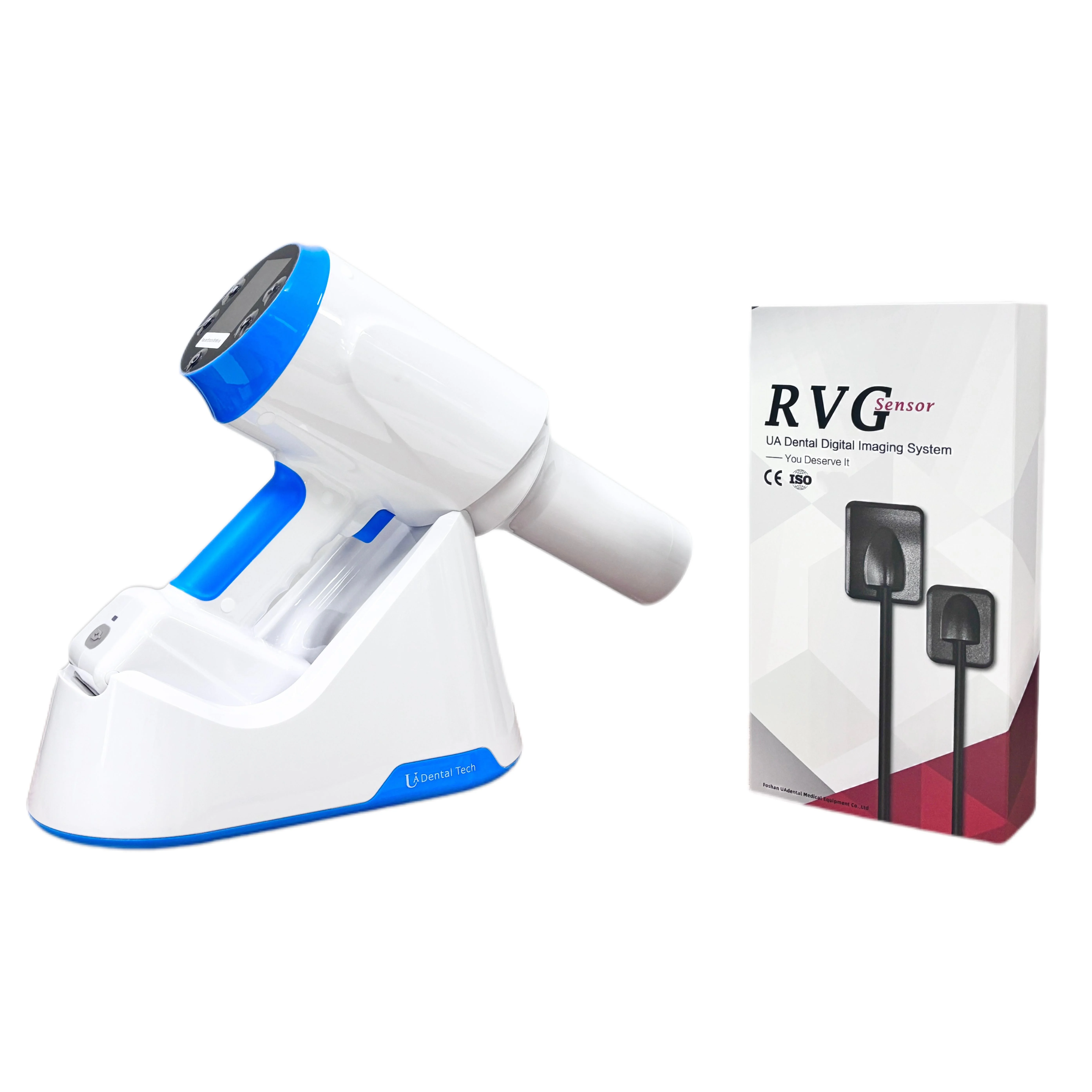
The shift toward digital x-ray technology represents a critical advancement in dental care delivery. Practices investing in quality x-ray imaging systems gain competitive advantages through faster diagnoses, improved patient communication, and enhanced clinical confidence. Understanding how these systems work, their specific diagnostic applications, and their integration into daily workflows helps dental teams maximize clinical and operational benefits. This guide explores the practical impact of x-ray technology on modern dental diagnosis and patient care.
Digital x-ray systems capture images instantly on digital sensors, eliminating delays associated with film development. The moment a patient x-ray is exposed, clinicians see high-resolution images on chairside monitors, enabling immediate interpretation and treatment planning discussions. This instantaneous feedback allows dentists to verify image quality without repeated exposures, reducing patient radiation dose while maintaining diagnostic precision. Advanced digital x-ray platforms feature adjustable contrast and brightness settings, allowing practitioners to examine specific areas of concern with enhanced clarity during initial diagnosis.
Modern x-ray systems include software features that amplify diagnostic capability beyond what traditional film could offer. Magnification tools allow detailed examination of subtle pathology that might be missed on standard images. Measurement functions assist in precise treatment planning for implants, orthodontics, and surgical procedures. These enhancement capabilities transform a basic x-ray into a comprehensive diagnostic instrument, particularly valuable when evaluating complex cases. The ability to adjust imaging parameters post-exposure ensures that a single x-ray scan often provides the clinical information that previously required multiple exposures.
Digital x-ray technology excels in identifying caries, secondary decay, and periapical pathology that guide restorative and endodontic treatment decisions. Detailed x-ray images reveal decay at interproximal surfaces where visual inspection alone is insufficient. For root canal therapy, practitioners rely on high-quality x-ray imaging to determine canal anatomy, working length, and treatment success. The superior contrast resolution of digital sensors compared to film makes early caries detection more reliable, enabling preventive intervention before extensive decay develops. This diagnostic precision directly improves treatment outcomes and reduces the need for retreatment.
Dental implant success depends critically on accurate bone assessment and implant positioning, making quality x-ray imaging indispensable. Digital x-ray systems provide the detailed bone structure visualization necessary for optimal implant site selection and surgical planning. Post-operative x-ray images confirm implant integration and detect early complications before patient symptoms emerge. The ability to measure bone dimensions and assess bone density directly from x-ray images streamlines implant case planning. Practitioners using advanced x-ray technology achieve higher implant success rates through more precise surgical placement and better-informed clinical decision-making.
Orthodontic treatment planning requires comprehensive skeletal and dental assessment that quality x-ray imaging provides. Cephalometric and panoramic x-ray images guide treatment strategy development and help predict outcomes. In oral surgery, detailed x-ray visualization of impacted teeth, bone anatomy, and anatomical landmarks significantly improves surgical precision and safety. Digital x-ray systems enable comparison of baseline and follow-up images to monitor treatment progression. The measurement and planning tools integrated into modern x-ray software reduce planning time while increasing treatment predictability across multiple disciplines.
Digital x-ray sensor technology uses significantly less radiation than traditional film to produce diagnostic images of superior quality. The efficiency gain means dental professionals can diagnose conditions accurately while prioritizing patient safety. Reduced radiation exposure becomes particularly important in pediatric dentistry and for patients requiring frequent imaging. Modern x-ray systems incorporate timing and exposure controls that prevent unnecessary radiation while maintaining image quality standards. This safety advantage aligns with contemporary healthcare best practices and gives patients confidence in their treatment setting when practitioners choose advanced x-ray technology.
Digital x-ray systems integrate seamlessly with practice management software and electronic health records, eliminating paper-based processes. Images and associated clinical notes sync automatically, ensuring complete treatment documentation available to authorized team members. Cloud-based x-ray storage provides secure backup and enables telehealth consultation where specialists review images remotely. The elimination of physical film storage reduces overhead costs and space requirements in clinical environments. Practices implementing digital x-ray workflows report significant time savings in case preparation, treatment documentation, and patient communication compared to traditional methods.
Showing patients their x-ray images on chairside displays significantly improves case acceptance and treatment compliance. Patients understand their condition better when they visually see the pathology on a x-ray image rather than hearing a verbal description alone. This transparency builds trust and reduces patient anxiety regarding recommended treatment. Clear x-ray images become powerful educational tools, helping patients understand the connection between their symptoms and clinical findings. Treatment acceptance rates typically increase when practitioners use quality x-ray imaging to demonstrate treatment necessity.
Digital x-ray systems offer immediate image display without chemical processing, superior diagnostic clarity through image enhancement tools, reduced radiation exposure, easy image sharing and storage, and seamless integration with digital record systems. These advantages combine to improve diagnostic efficiency, patient safety, and clinical outcomes compared to traditional film-based x-ray methods.
Digital x-ray sensors are significantly more efficient at capturing images with lower radiation doses than traditional film. The sensitive electronic sensors require less photon energy to produce high-quality diagnostic images. Additionally, immediate image preview eliminates unnecessary repeat exposures common with film x-ray systems. Practitioners can confidently achieve diagnostic objectives with fewer total patient exposures when using modern x-ray equipment.
Yes, modern x-ray systems are designed to integrate seamlessly with most contemporary practice management and electronic health record platforms. Images automatically transfer to patient files, associate with treatment notes, and remain accessible for treatment planning and referral communication. Many systems support both local network storage and cloud-based backup, providing flexibility based on practice preferences and security requirements.

 EN
EN