Implant Drivers: Precision Surgical Tools

3500+ products contact us

Get a Free Quote

Our representative will contact you soon.
Mobile/WhatsApp
Email
Name
Message
0/1000

implant drivers

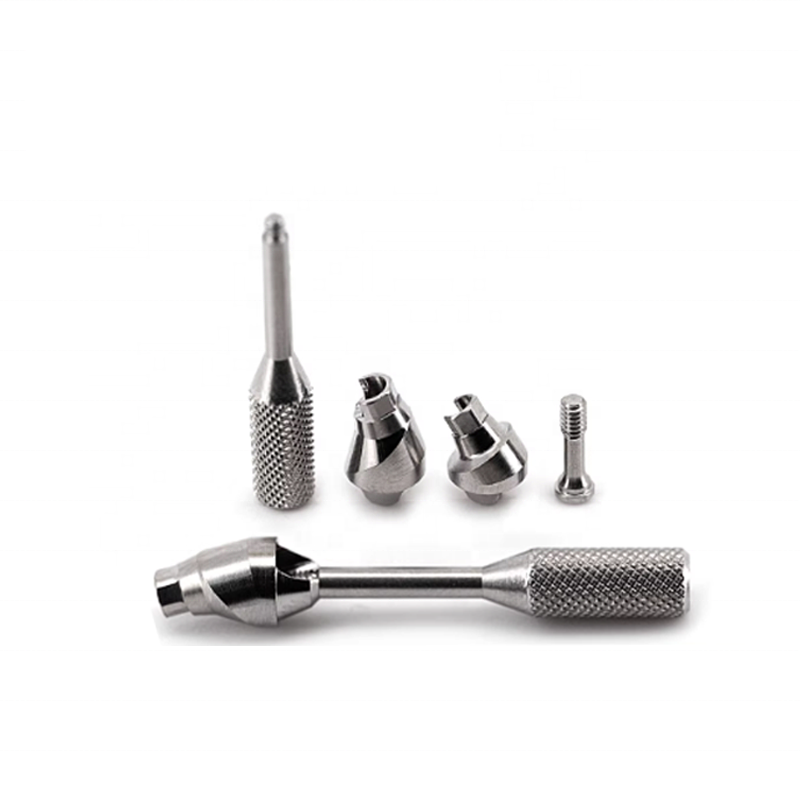
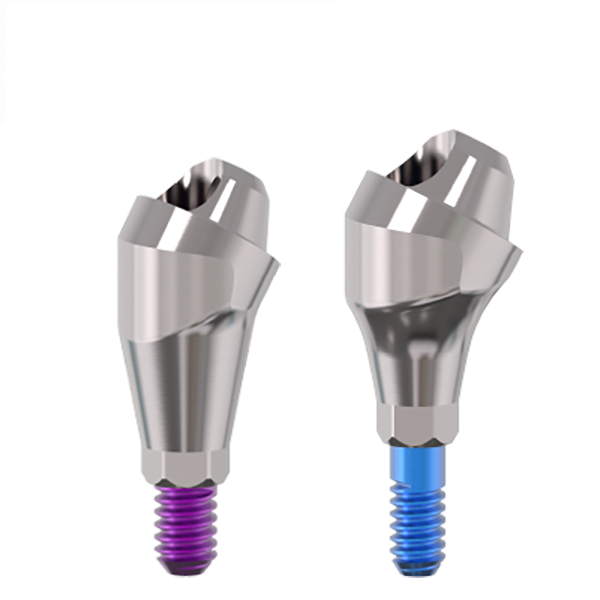
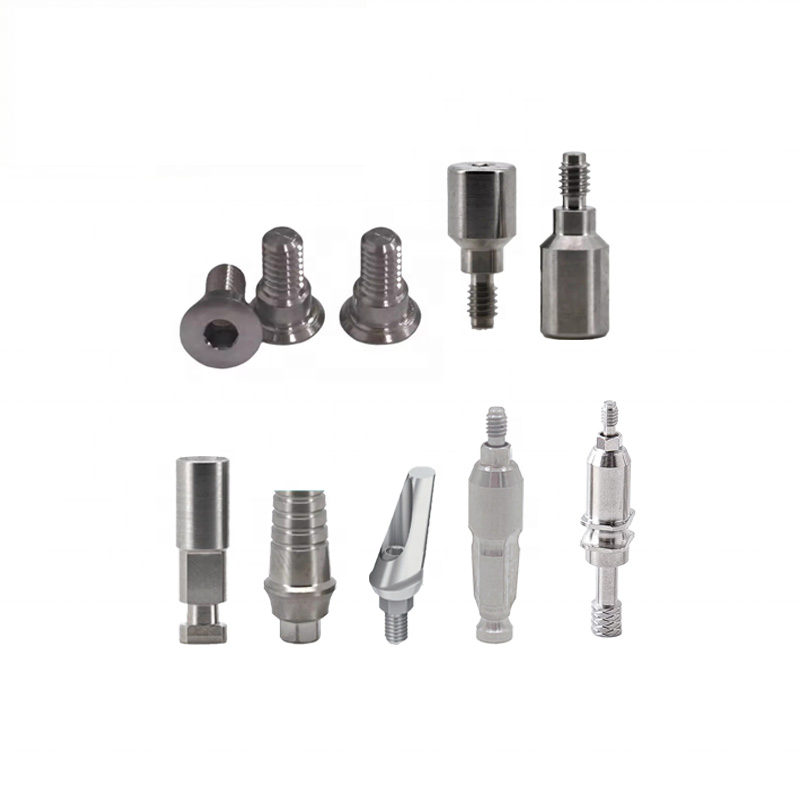
Implant drivers are specialized surgical instruments designed to precisely insert dental implants into the jawbone during restoration procedures. These essential implant drivers combine mechanical engineering with clinical precision to ensure successful implant placement. The primary function of implant drivers is to deliver controlled rotational force, allowing clinicians to thread implants into prepared bone sites with accuracy and consistency. Modern implant drivers feature advanced technological capabilities that enhance surgical outcomes and reduce procedure time. These instruments utilize torque-limiting mechanisms that prevent over-insertion, protecting both the implant and surrounding bone tissue. Implant drivers are compatible with various implant systems and sizes, making them versatile solutions for diverse clinical applications. The technological features include ergonomic designs that reduce hand fatigue during extended procedures, enhanced grip surfaces for better control, and precision-engineered tips that match specific implant geometries. Digital implant drivers incorporate electronic feedback systems that display real-time torque values, enabling surgeons to achieve optimal insertion parameters. Applications for implant drivers extend across single-tooth replacements, multiple implants, and complex full-mouth restoration cases. These instruments are fundamental in both conventional implant dentistry and advanced procedures requiring specialized placement techniques. Whether performing routine implant insertions or complex surgical cases, implant drivers remain indispensable tools in modern dental practice.
New Product Releases

Implant drivers deliver substantial practical benefits that directly improve surgical outcomes and patient satisfaction. The primary advantage of using implant drivers is their ability to ensure consistent implant placement with minimal complications, reducing the need for revisions or corrections. These instruments enhance operational efficiency by allowing surgeons to complete implant procedures faster while maintaining higher precision standards compared to manual insertion methods. Implant drivers significantly reduce hand fatigue during surgical procedures, enabling clinicians to maintain steady control throughout extended treatment sessions. The torque-limiting technology built into quality implant drivers protects against common placement errors that can compromise implant success rates. By preventing over-torquing, implant drivers preserve bone integrity and promote faster healing and osseointegration processes. Decision-useful product context shows that implant drivers accommodate various implant diameters and lengths, making them suitable for diverse patient anatomy and clinical scenarios. The ergonomic design reduces strain on the surgeon's hand and wrist, contributing to better long-term occupational health for dental professionals. Application suitability extends from simple single implants to complex multiple implant cases and guided implant surgery procedures. Buyer value encompasses improved patient outcomes, reduced operative time, and enhanced predictability in implant success rates. Modern implant drivers with electronic torque monitoring provide real-time feedback, allowing surgeons to make immediate adjustments for optimal results. These instruments ultimately increase practice profitability by improving patient satisfaction, enabling more procedures daily, and reducing revision cases due to implant failure.

Latest News

fsda

27

Mar

fsda

View More

implant drivers

Precision Torque Control Technology

Precision Torque Control Technology

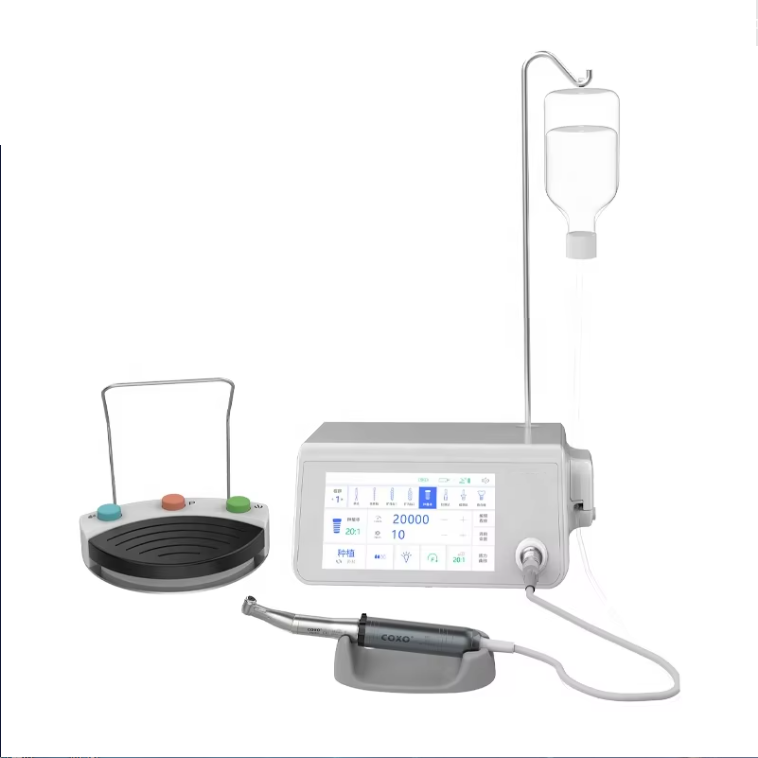
Precision torque control represents a cornerstone feature of advanced implant drivers, directly impacting implant success rates and bone preservation. This technology automatically stops or alerts the surgeon when predetermined torque thresholds are reached, preventing the common problem of over-insertion that damages bone. Implant drivers equipped with electronic torque monitoring display real-time values on digital screens, allowing surgeons to achieve exact specifications for each implant type. This precise control is critical because different implant systems require specific insertion torques to ensure proper osseointegration. The importance of this feature lies in protecting valuable bone tissue from traumatic damage that could lead to implant failure. Dental professionals benefit from consistent, reproducible results across multiple cases, enhancing their clinical confidence and patient outcomes. The value for patients includes higher implant survival rates and reduced healing complications that could otherwise require costly retreatment procedures.
Ergonomic Design for Extended Procedures

Ergonomic Design for Extended Procedures

Implant drivers feature carefully engineered ergonomic designs that significantly reduce physical strain during demanding surgical procedures. The balanced weight distribution and contoured handles minimize hand fatigue, allowing surgeons to maintain steady control throughout extended implant placement sessions. This ergonomic advantage directly translates to better clinical outcomes because tired hands cannot maintain consistent positioning and pressure control. Implant drivers with optimized grip surfaces prevent slippage and enhance tactile feedback, enabling surgeons to sense resistance changes during implant insertion. The importance of ergonomic design extends beyond immediate comfort, protecting practitioners from long-term occupational injuries affecting their careers. For dental professionals performing multiple implant cases daily, these design features prevent hand tremors and muscle fatigue that could compromise surgical precision. The value proposition includes improved surgical accuracy, faster procedure completion times, and enhanced practitioner wellness, ultimately supporting sustainable professional practice.
Universal Compatibility and Versatile Applications

Universal Compatibility and Versatile Applications

Quality implant drivers offer universal compatibility across multiple implant systems and manufacturers, providing exceptional versatility in clinical practice. This compatibility feature eliminates the need for purchasing separate instruments for each implant brand, significantly reducing equipment costs and storage requirements. Implant drivers accommodate various implant diameters, lengths, and connection types, making them suitable for diverse patient anatomies and complex restoration scenarios. This universal design is crucial for practices managing multiple implant systems or transitioning between suppliers without equipment replacement. The importance of versatile implant drivers lies in their ability to serve single-tooth replacements, multiple implants, and full-mouth restorations without modifications. For dental professionals, this versatility streamlines workflow and simplifies instrument inventory management. The value for patients includes access to optimal implant solutions regardless of brand preference, enabling personalized treatment planning. Universal compatibility ensures that implant drivers remain relevant investments despite evolving implant technologies and treatment methodologies.

Get a Free Quote

Our representative will contact you soon.
Mobile/WhatsApp
Email
Name
Message
0/1000