healing abutment
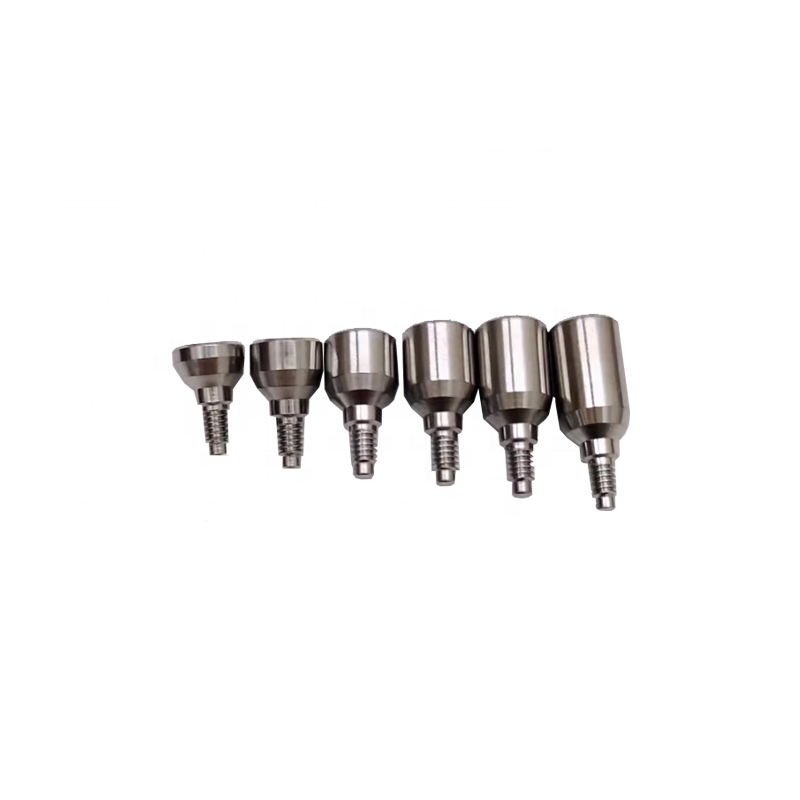
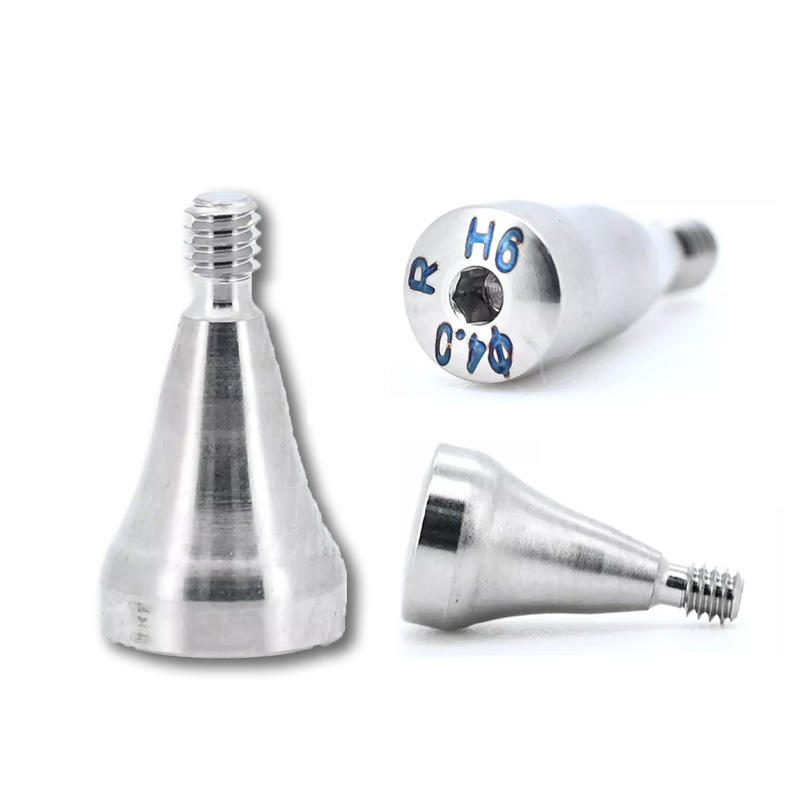
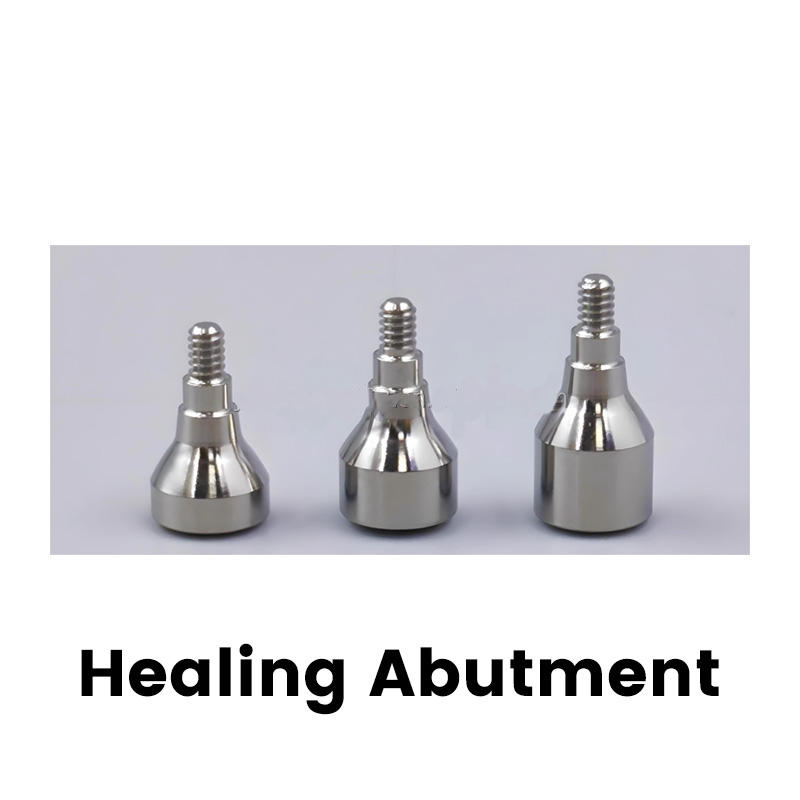
A healing abutment is a crucial dental implant component that serves as a temporary restoration during the osseointegration phase following implant placement. This specialized device functions as a connector between the implant fixture and the gum tissue, facilitating proper healing while maintaining the natural contours of the soft tissue. The healing abutment plays a vital role in guiding tissue growth and creating an optimal emergence profile for the final restoration.
Technologically, the healing abutment features a biocompatible design that promotes tissue integration without triggering inflammatory responses. Most healing abutments are manufactured from titanium or ceramic materials, ensuring durability and compatibility with oral tissues. The device typically includes a collar that positions itself at or slightly above the gum line, protecting the underlying implant while allowing controlled tissue maturation.
The primary function of a healing abutment involves maintaining the implant opening during the healing period, which typically lasts three to six months. This healing abutment prevents bone and soft tissue from covering the implant site prematurely, ensuring accessibility for future restoration placement. Additionally, the healing abutment helps establish an ideal gingival emergence profile, which is essential for achieving natural-looking final restorations.
Applications for the healing abutment extend across various clinical scenarios, including single tooth implants, multiple implant cases, and complex restorative situations. Dentists and oral surgeons utilize the healing abutment in both immediate and delayed implant protocols. The versatility of the healing abutment makes it an indispensable tool in modern implant dentistry, supporting successful outcomes across diverse patient populations and treatment plans.

 EN


