Endodontic Instrument: Precision Root Canal Tools

3500+ products contact us

Get a Free Quote

Our representative will contact you soon.
Mobile/WhatsApp
Email
Name
Message
0/1000

endodontic instrument

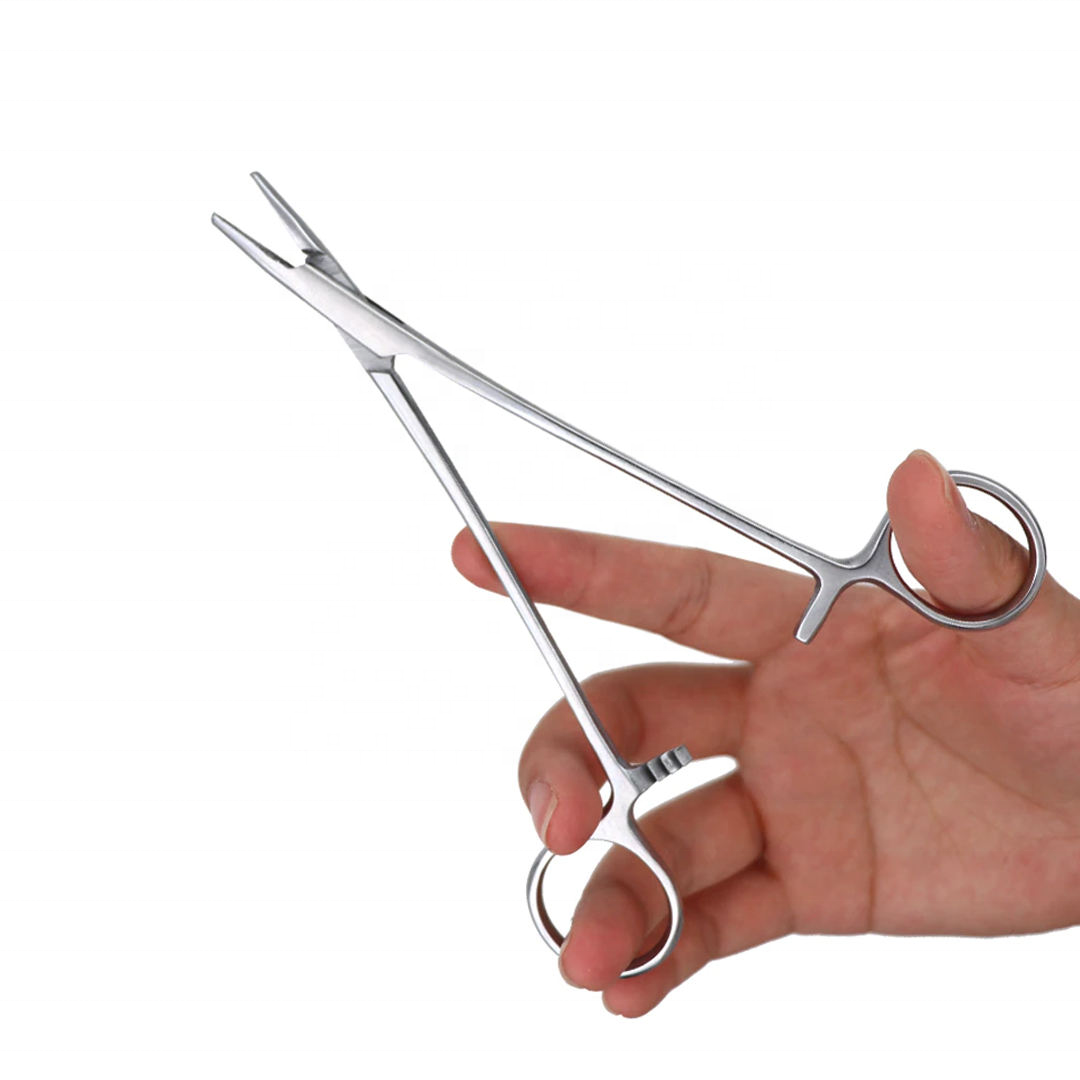
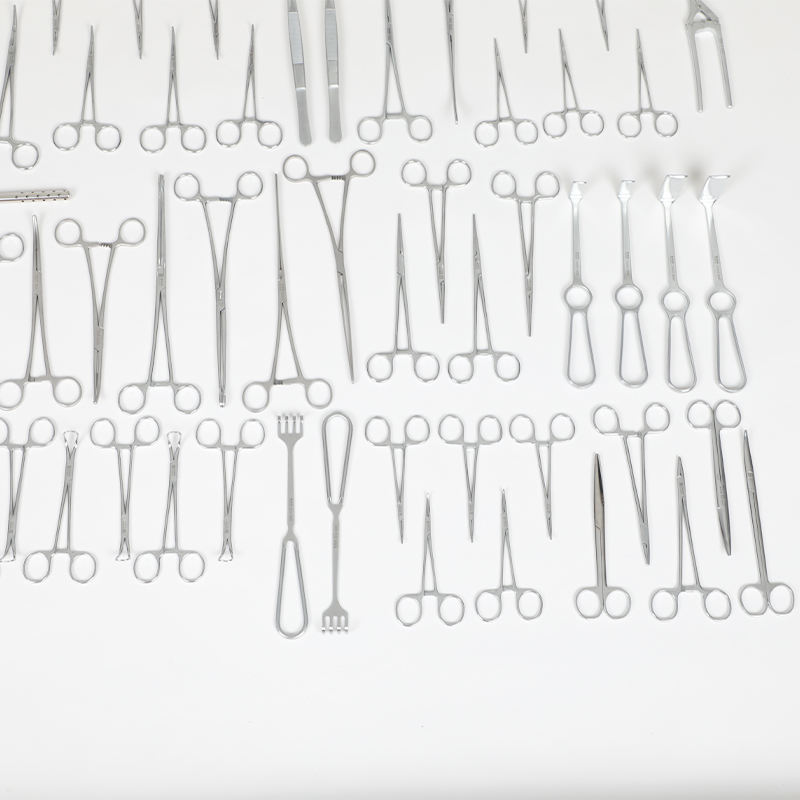
An endodontic instrument is a specialized dental tool designed for root canal treatment procedures, enabling dentists to effectively clean, shape, and fill the intricate canal systems within teeth. These precision instruments are essential for removing infected pulp tissue, eliminating bacteria, and preparing canals for obturation to save natural teeth from extraction. Modern endodontic instrument designs incorporate advanced materials and engineering to enhance procedural efficiency and patient outcomes. The primary functions include accessing the pulp chamber, removing necrotic tissue, shaping canal walls to receive filling material, and ensuring complete disinfection of the root canal system. Technological features of contemporary endodontic instrument sets include nickel-titanium alloy construction for superior flexibility, variable taper designs for improved canal preparation, and color-coded identification systems for easy size recognition. Many practices integrate these tools with a dental motor system for rotary instrumentation, offering controlled torque and speed settings that reduce procedural time and operator fatigue. As fundamental dental clinic products, endodontic instrument collections serve endodontists, general practitioners, and dental specialists performing complex restorative procedures. Quality endodontic instrument sets are available through reputable dental hand tool supplier networks, ensuring clinicians access reliable tools that meet international quality standards for safe and predictable endodontic therapy outcomes in diverse clinical settings.
New Products

The endodontic instrument delivers significant practical benefits that directly impact clinical success rates and practice efficiency. First, these tools enable dentists to perform minimally invasive procedures that preserve maximum tooth structure while thoroughly addressing infection, reducing the need for extraction and subsequent complex treatments involving abutment multi unit systems or implant placements. The precision engineering of modern endodontic instrument designs allows clinicians to navigate curved and calcified canals with confidence, minimizing the risk of procedural errors such as ledging, transportation, or perforation that compromise treatment outcomes. From an operational perspective, quality endodontic instrument sets streamline workflow by providing complete solutions for various canal anatomies and treatment scenarios, reducing chair time and increasing patient throughput without sacrificing quality. When paired with appropriate dental motor technology, rotary endodontic instrument systems offer consistent, predictable results with reduced operator fatigue compared to manual instrumentation techniques. For dental practices evaluating investment priorities, endodontic instrument collections represent essential dental clinic products that generate reliable revenue streams through predictable endodontic services. The durability and reusability of premium endodontic instrument sets provide excellent long-term value, particularly when sourced from established dental hand tool supplier partners who offer quality assurance and replacement support. Practices can optimize their procurement strategy by comparing options similar to how they might request an implant surgical kit quotation, evaluating instrument performance specifications, longevity expectations, and total cost of ownership. The clinical versatility of comprehensive endodontic instrument systems supports treatment of anterior and posterior teeth across patient demographics, making them indispensable tools that enhance practice capabilities and patient satisfaction through successful tooth preservation outcomes.

Latest News

fsda

27

Mar

fsda

View More

endodontic instrument

Advanced Material Engineering for Enhanced Clinical Performance

Advanced Material Engineering for Enhanced Clinical Performance

The endodontic instrument manufacturing process utilizes cutting-edge nickel-titanium alloy technology that revolutionizes root canal treatment capabilities. This super-elastic material exhibits shape memory properties and exceptional flexibility, allowing the endodontic instrument to navigate complex canal curvatures without permanent deformation or fracture risks that plagued traditional stainless steel designs. The crystalline structure of nickel-titanium endodontic instrument files can flex up to thirty degrees while maintaining their original shape upon stress removal, enabling clinicians to safely instrument even severely curved canals found in molars and anatomically challenging cases. This material advantage translates directly to reduced procedural complications, fewer instrument separations within canals, and improved patient safety profiles. Furthermore, advanced surface treatments applied to premium endodontic instrument products enhance cutting efficiency while reducing torsional stress during instrumentation. The resulting clinical benefit is faster, more predictable canal preparation that maintains original canal anatomy while achieving thorough cleaning and shaping objectives. For practices sourcing quality dental clinic products, investing in nickel-titanium endodontic instrument systems delivers measurable improvements in treatment success rates and reduced retreatment incidence compared to conventional instrument alternatives.
Comprehensive System Design for Complete Treatment Solutions

Comprehensive System Design for Complete Treatment Solutions

Modern endodontic instrument collections are engineered as integrated systems rather than individual tools, providing sequential file progressions that systematically prepare canals from initial access to final obturation readiness. Each endodontic instrument within a system features specific taper percentages, tip sizes, and cutting geometries designed to work synergistically, creating smooth, continuously tapered canal preparations that optimize three-dimensional filling and seal quality. This systematic approach eliminates guesswork in instrument selection, allowing clinicians to follow standardized protocols that produce consistent results across diverse case complexities. The color-coding and length markings on each endodontic instrument facilitate rapid identification and accurate working length control, reducing procedural time and minimizing errors during multi-canal treatments. Many comprehensive endodontic instrument systems include dedicated tools for specific procedural phases including orifice openers, shaping files, and finishing instruments that address every treatment requirement. When dental practices work with knowledgeable dental hand tool supplier representatives, they gain access to complete endodontic instrument systems tailored to their specific practice profiles and case mix, ensuring they possess appropriate tools for routine treatments through complex revision cases without maintaining excessive inventory or facing gaps in clinical capability.
Compatibility with Modern Rotary Technology for Optimal Efficiency

Compatibility with Modern Rotary Technology for Optimal Efficiency

The endodontic instrument evolution has been significantly enhanced by integration with precision dental motor systems that provide controlled mechanical instrumentation capabilities. Contemporary endodontic instrument designs are specifically engineered for rotary or reciprocating motion patterns delivered by programmable dental motor units, offering adjustable speed and torque parameters that optimize cutting efficiency while preventing instrument overload and breakage. This technological synergy allows the endodontic instrument to operate at ideal rotational speeds between 250-500 RPM with auto-reverse torque control that protects files from excessive stress when encountering canal resistance or anatomical variations. The resulting clinical advantages include dramatically reduced instrumentation time, improved operator ergonomics by eliminating repetitive manual filing motions, and more consistent canal preparations with superior centering ability compared to hand instrumentation techniques. Dental motor compatibility also enables single-file endodontic instrument systems where a single instrument can complete entire canal preparations, further streamlining workflows and reducing instrument management complexity. For practices evaluating equipment investments across multiple categories from endodontic instrument systems to implant surgical kit quotation requests, the combination of quality rotary endodontic instrument sets with appropriate dental motor technology represents a high-value investment that enhances clinical capabilities, improves case acceptance through efficient treatment delivery, and positions practices competitively in comprehensive dental care markets.

Get a Free Quote

Our representative will contact you soon.
Mobile/WhatsApp
Email
Name
Message
0/1000