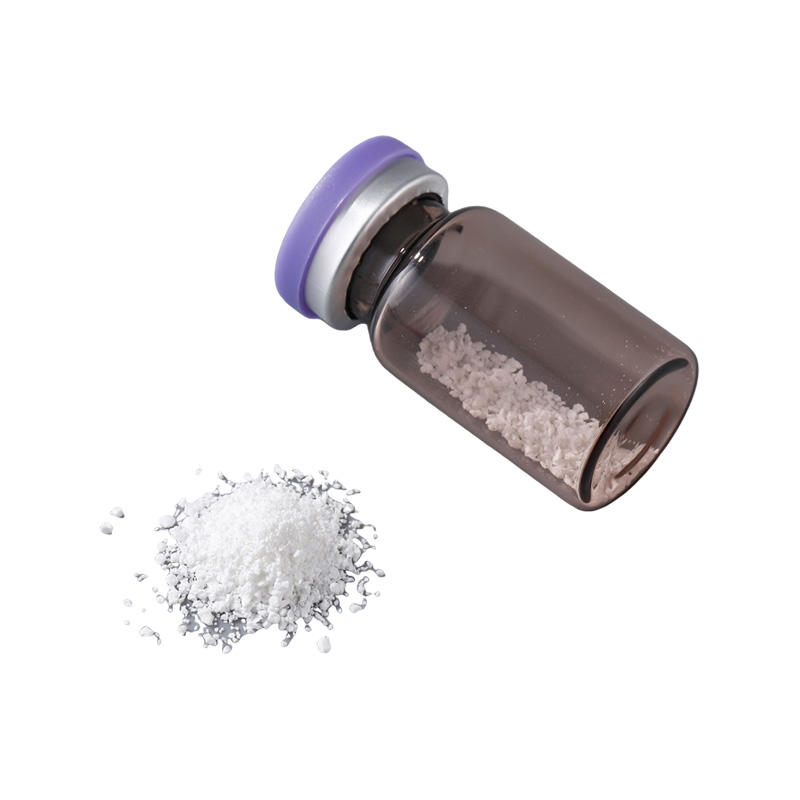
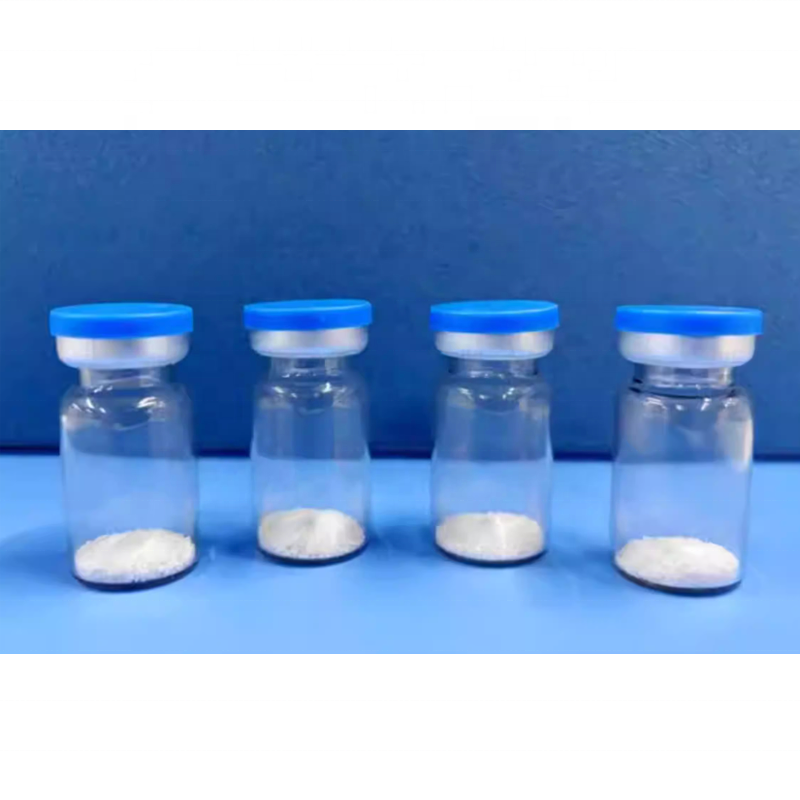
bone graft membrane
A bone graft membrane is a specialized surgical material designed to support and enhance bone regeneration in dental, orthopedic, and maxillofacial procedures. This advanced bone graft membrane acts as a protective barrier that guides new bone formation while preventing soft tissue infiltration into the surgical site. The bone graft membrane functions by creating an optimal environment for osteogenic cells to proliferate and differentiate, ultimately accelerating the healing process.
Modern bone graft membrane technology incorporates both resorbable and non-resorbable options to meet diverse clinical requirements. Resorbable bone graft membrane products break down naturally over time as new bone develops, eliminating the need for removal surgery. Non-resorbable variants provide extended support for complex cases requiring prolonged stabilization.
The bone graft membrane is composed of biocompatible materials such as collagen, polyglycolic acid, or polylactic acid, ensuring excellent integration with surrounding tissues. These materials have been extensively tested to confirm safety and efficacy in clinical applications. The membrane's structural design promotes cell adhesion while maintaining mechanical integrity throughout the healing phase.
Applications of bone graft membrane span multiple medical specialties. In implant dentistry, bone graft membrane supports ridge augmentation and socket preservation procedures. Orthopedic surgeons utilize bone graft membrane for trauma repair, spinal fusion, and joint reconstruction. Periodontal specialists employ bone graft membrane in regenerative treatments for severe bone loss. The versatility of bone graft membrane makes it an indispensable tool in contemporary surgical practice, delivering consistent results across various clinical scenarios and patient populations.

 EN