Basic Dental Instruments - Essential Tools Guide

3500+ products contact us

Get a Free Quote

Our representative will contact you soon.
Mobile/WhatsApp
Email
Name
Message
0/1000

basic dental instruments

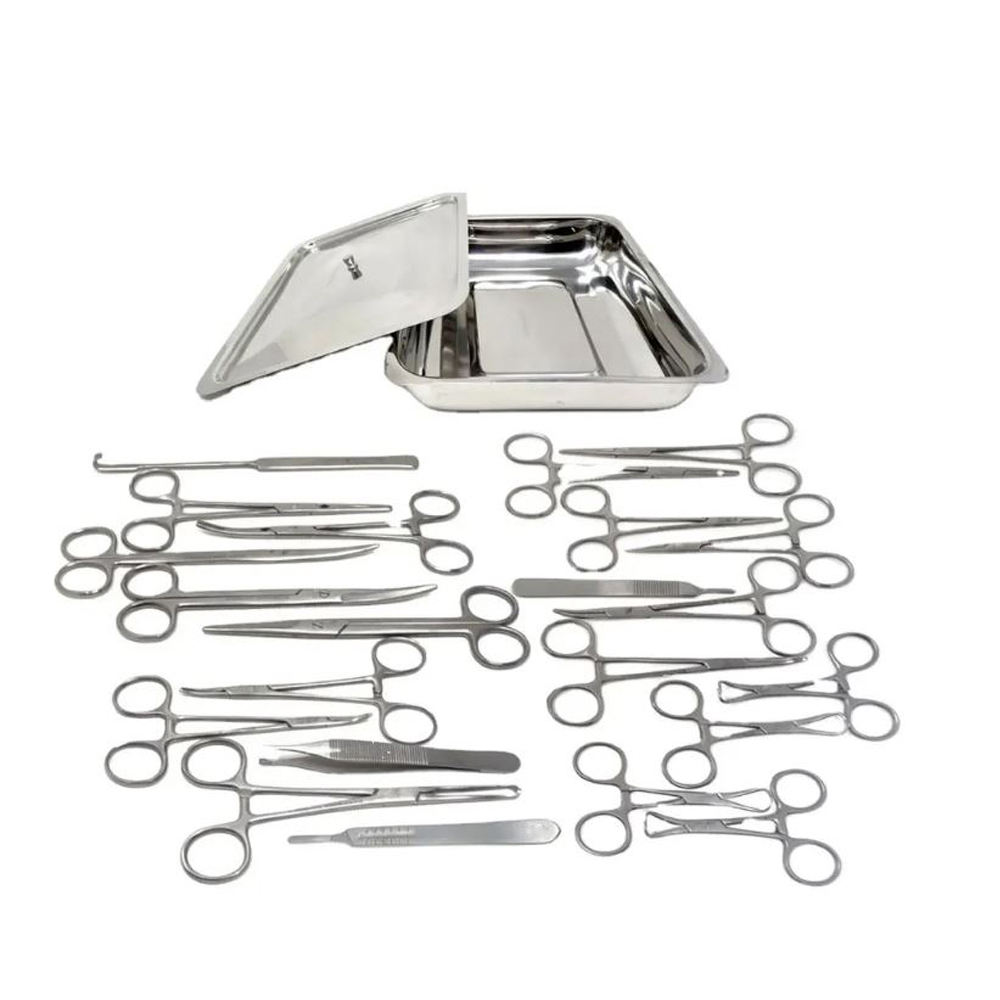
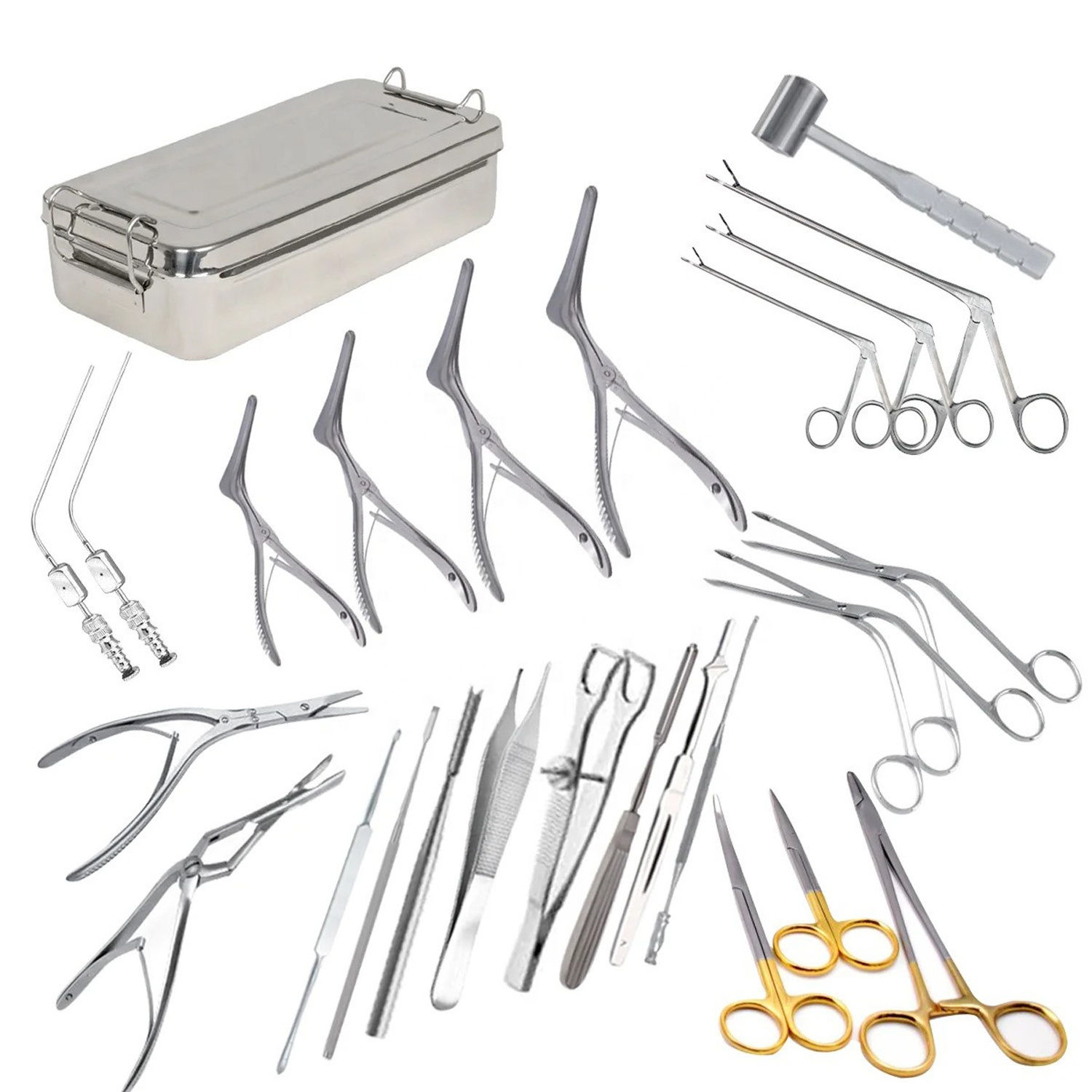
Basic dental instruments are essential tools that form the foundation of every dental practice, enabling professionals to perform routine examinations, diagnostics, and minor procedures with precision and efficiency. These fundamental tools include dental mirrors for visualization, explorers for detecting cavities and irregularities, scalers for removing plaque and calculus, excavators for cavity preparation, and forceps for tooth extraction. Each instrument within the basic dental instruments collection serves a specific purpose in maintaining oral health and delivering quality patient care. Modern basic dental instruments incorporate high-grade stainless steel construction, ensuring durability, corrosion resistance, and compatibility with sterilization protocols. The ergonomic design of these instruments reduces hand fatigue during extended procedures while maintaining optimal control and tactile sensitivity. Basic dental instruments feature carefully engineered working ends that allow practitioners to access different areas of the oral cavity effectively. The standardized nature of basic dental instruments ensures universal recognition and ease of use across dental practices worldwide. These instruments undergo rigorous manufacturing processes to meet international quality standards and regulatory requirements. Whether used in general dentistry, periodontics, endodontics, or oral surgery, basic dental instruments remain indispensable for daily clinical operations. Their versatility makes them suitable for diverse patient populations and treatment scenarios, from routine cleanings to complex restorative procedures. Understanding the proper selection, maintenance, and application of basic dental instruments is crucial for delivering safe, effective, and comfortable dental care.
Popular Products

Investing in quality basic dental instruments delivers significant value for dental practices by ensuring reliable performance throughout years of clinical use. These instruments reduce replacement costs through superior durability, eliminating frequent repurchasing that compromises budget predictability. The precision engineering of basic dental instruments enhances diagnostic accuracy, allowing practitioners to identify oral health issues earlier and develop more effective treatment plans. This early detection capability translates into better patient outcomes and increased practice reputation. Operational efficiency improves dramatically when using well-designed basic dental instruments that facilitate smooth workflow and reduce procedure times. Practitioners experience less physical strain due to balanced weight distribution and comfortable grip designs that prevent repetitive stress injuries during long working hours. The universal compatibility of standardized basic dental instruments simplifies staff training, enabling new team members to become productive quickly without extensive instrument familiarization periods. Sterilization becomes more straightforward with instruments manufactured from materials that withstand repeated autoclaving without degradation or performance loss. Patient comfort increases when practitioners use properly maintained basic dental instruments that perform cleanly without causing unnecessary trauma to soft tissues. The comprehensive functionality of a complete basic dental instruments set eliminates the need for multiple specialized tool purchases, providing cost-effective solutions for practices at any stage of development. Maintenance requirements remain minimal, requiring only routine cleaning and periodic sharpening to maintain optimal working conditions. The resale value of premium basic dental instruments remains relatively high, protecting initial investments should practice needs change. Regulatory compliance becomes easier when using instruments that meet established safety and quality certifications, reducing liability risks and ensuring patient protection standards are consistently maintained across all procedures.

Tips And Tricks

fsda

27

Mar

fsda

View More

basic dental instruments

Superior Material Construction and Longevity

Superior Material Construction and Longevity

The manufacturing quality of basic dental instruments directly impacts their clinical performance and service life expectancy. Premium basic dental instruments utilize medical-grade stainless steel alloys that resist corrosion even after thousands of sterilization cycles, maintaining their structural integrity and sharp working edges. This exceptional material selection prevents instrument degradation that could compromise treatment quality or patient safety. The surface finishing process creates smooth, non-porous textures that prevent bacterial adhesion and facilitate thorough cleaning between patient appointments. Advanced metallurgy ensures that basic dental instruments maintain optimal hardness levels, allowing cutting edges to retain sharpness longer while remaining resistant to chipping or breaking under normal clinical stress. The dimensional stability of these instruments means they will not warp or bend during routine use, preserving their precise geometries that are critical for accurate clinical work. Investment in durable basic dental instruments reduces environmental waste by extending product lifecycles and decreasing the frequency of disposal. Practices benefit from predictable instrument performance that builds practitioner confidence and supports consistent treatment delivery across all patient encounters.
Ergonomic Design for Enhanced Clinical Performance

Ergonomic Design for Enhanced Clinical Performance

Modern basic dental instruments incorporate ergonomic principles that significantly improve practitioner comfort and procedural precision during daily clinical activities. The handle designs feature textured surfaces and optimized diameters that provide secure grip without requiring excessive hand pressure, reducing muscle fatigue during extended treatment sessions. Weight balance engineering ensures that basic dental instruments feel natural in the hand, allowing intuitive manipulation and reducing the learning curve for new practitioners. The strategic positioning of working ends relative to handles enables comfortable wrist positioning that minimizes awkward angles and repetitive strain injuries common in dental professions. These ergonomic considerations translate into improved tactile feedback, allowing practitioners to detect subtle changes in tooth structure or tissue resistance that inform clinical decisions. Enhanced control precision enables more conservative treatment approaches that preserve healthy tooth structure while effectively addressing pathology. The reduced physical demands of using well-designed basic dental instruments extend career longevity for dental professionals by preventing cumulative musculoskeletal disorders. Patient experiences improve when practitioners work comfortably and confidently, resulting in smoother procedures with reduced appointment times and increased treatment acceptance rates.
Versatile Application Across Dental Specialties

Versatile Application Across Dental Specialties

The adaptability of basic dental instruments makes them indispensable across all dental specialties and practice settings, from small private clinics to large institutional facilities. These fundamental tools support comprehensive treatment capabilities without requiring extensive specialty-specific instrument inventories that consume storage space and capital resources. General practitioners rely on basic dental instruments for routine examinations, prophylaxis procedures, simple restorations, and emergency interventions that constitute the majority of daily patient encounters. Specialists find that basic dental instruments complement their advanced toolsets, providing essential functionality for preliminary assessments and adjunctive procedures. Dental hygienists depend on scaling instruments and mirrors from the basic dental instruments category to deliver preventive care that forms the cornerstone of oral health maintenance. Educational institutions standardize their teaching curricula around basic dental instruments, ensuring that graduates enter professional practice with universal skill sets transferable to any clinical environment. Mobile dental services and humanitarian outreach programs benefit from the portability and reliability of basic dental instruments that perform effectively without requiring complex support infrastructure. The broad applicability of these instruments maximizes return on investment while maintaining treatment flexibility that adapts to evolving practice demands and patient population needs.

Get a Free Quote

Our representative will contact you soon.
Mobile/WhatsApp
Email
Name
Message
0/1000